Tihar festival in Nepal is the country's five-day Festival of Lights, celebrating animals, wealth, family bonds and the victory of light over darkness. In 2026, Tihar runs from Saturday 7 November to Wednesday 11 November, with Laxmi Puja on the evening of Sunday 8 November and Bhai Tika on Wednesday 11 November.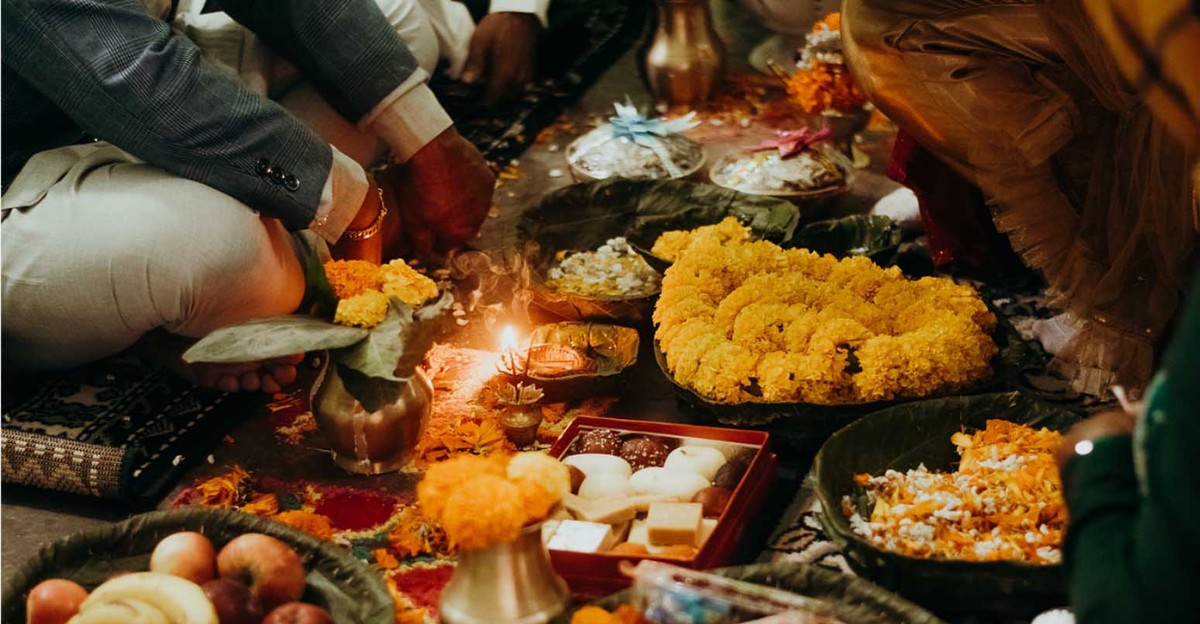
What is Tihar festival in Nepal?
Tihar is Nepal's second-biggest Hindu festival after Dashain, held over five days in the lunar month of Kartik, usually in late October or November. Each day honours a different being: crows, dogs, cows, oxen and, finally, brothers. The festival is also called Deepawali or Yama Panchak, the "five days of Yama", the god of death.
The stories behind Tihar connect each ritual to Yama. Crows are his messengers, dogs guard the gates of his realm, and on the last day sisters pray for their brothers' long life. Running through all five days is the worship of Laxmi, goddess of wealth and prosperity, who is welcomed into homes with oil lamps on the darkest night of the month.
Tihar shares its timing and its lamp-lit Laxmi Puja with Diwali in India. What makes the Nepali festival distinct is the dedicated days for animals, the Deusi Bhailo carolling, and Bhai Tika, which many Nepali families treat as the emotional heart of the festival.
When is Tihar 2026? Exact dates and five-day calendar
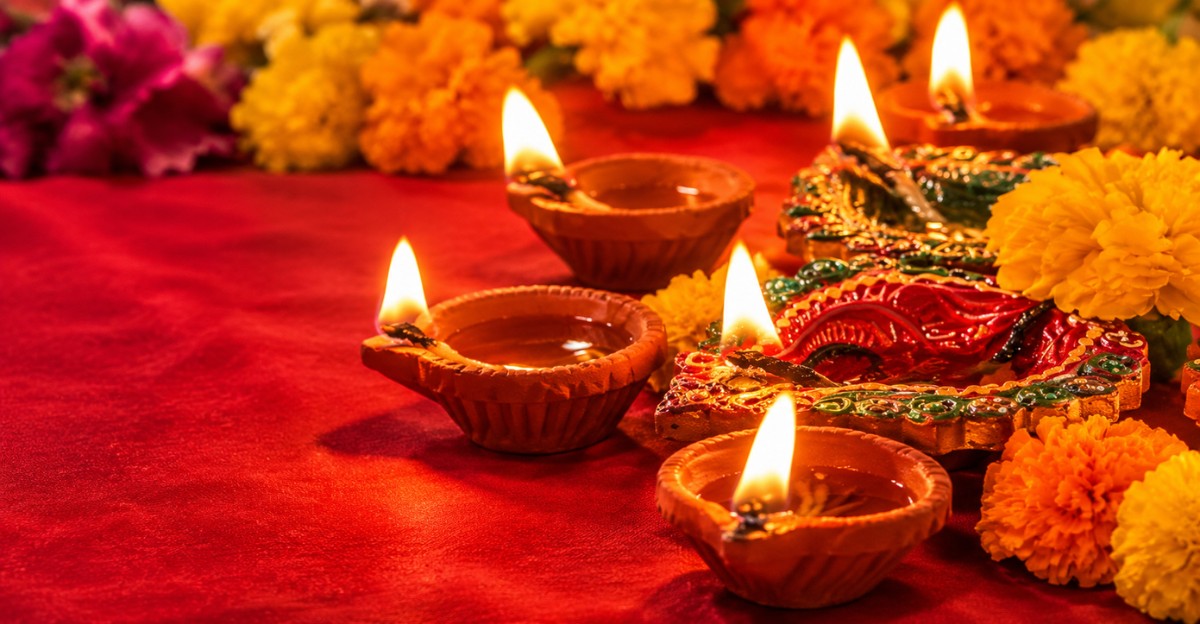
Tihar 2026 dates run from Saturday 7 November (Kaag Tihar) to Wednesday 11 November (Bhai Tika), which is Kartik 21 to 25, 2083 in Nepal's Bikram Sambat calendar. Because Tihar follows the lunar calendar, the dates move each year.
|
Date (2026) |
Nepali date (BS 2083) |
Observance |
|
Sat 7 November |
Kartik 21 |
Kaag Tihar: crows are fed and honoured |
|
Sun 8 November |
Kartik 22 |
Kukur Tihar in the morning; Laxmi Puja in the evening (the main night of lights) |
|
Mon 9 November |
Kartik 23 |
Aunsi (new moon); some calendars list Gai Tihar, the worship of cows, on this day |
|
Tue 10 November |
Kartik 24 |
Govardhan Puja, Goru Tihar and Mha Puja; Nepal Sambat 1147 New Year |
|
Wed 11 November |
Kartik 25 |
Bhai Tika: sisters bless their brothers |
In 2026 the lunar days fall unevenly, so Kukur Tihar and Laxmi Puja share the same date. Nepali calendars differ slightly on which day they assign to cow worship, which is traditionally performed on Laxmi Puja day itself. Check a current Nepali patro if a specific ritual matters to your plans.
The government's Tihar public holiday runs from Sunday 8 November to Thursday 12 November 2026, from Laxmi Puja to the day after Bhai Tika. The exact auspicious time (sait) for Bhai Tika is set by the Nepal Panchanga Nirnayak Bikas Samiti shortly before the festival.
Planning ahead? In 2027, Laxmi Puja is expected on Friday 29 October and Bhai Tika on Sunday 31 October.
What happens on each day: Kaag Tihar, Kukur Tihar, Gai Tihar, Laxmi Puja and Bhai Tika
Day 1: Kaag Tihar (crows)
Families leave rice, sweets and other food on rooftops and courtyards for crows. As Yama's messengers, crows are honoured so that they bring good news rather than bad. Kaag Tihar coincides with Dhanwantari Jayanti, a day linked to the god of medicine.
Day 2: Kukur Tihar (dogs)
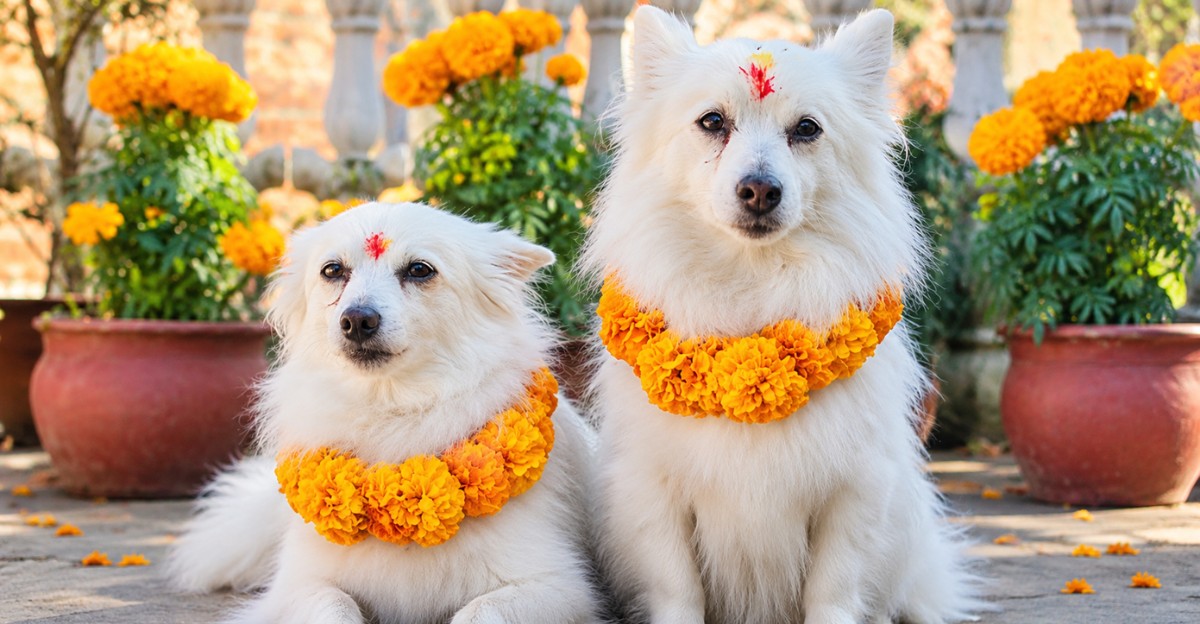
On Kukur Tihar, dogs receive a red tika on the forehead, a marigold garland and a generous meal. Pet dogs, street dogs and police dogs are all included, so expect to see garlanded dogs across Kathmandu. Dogs are honoured as guardians of the gates to Yama's realm and for their loyalty.
Gai Tihar and Laxmi Puja (cows and the goddess of wealth)
In the morning, households worship cows, which represent Laxmi in Hinduism, with tika, garlands and food. In the evening comes Laxmi Puja, the night most visitors picture when they think of Tihar. Homes are cleaned, a trail of red footprints is painted from the doorway to the family shrine to guide Laxmi inside, and every window and doorway is lit with oil lamps, candles and strings of lights.
Day 4: Govardhan Puja, Goru Tihar and Mha Puja
Oxen are worshipped on Goru Tihar, and many families make a small mound of cow dung to represent Govardhan hill, recalling the story of Krishna lifting the hill to shelter villagers from a storm. In the Kathmandu Valley, Newar families perform Mha Puja, a ritual worship of one's own body and spirit for the year ahead. The same day marks the Nepal Sambat New Year, celebrated with processions and cultural programmes in the valley.
Day 5: Bhai Tika (brothers and sisters)
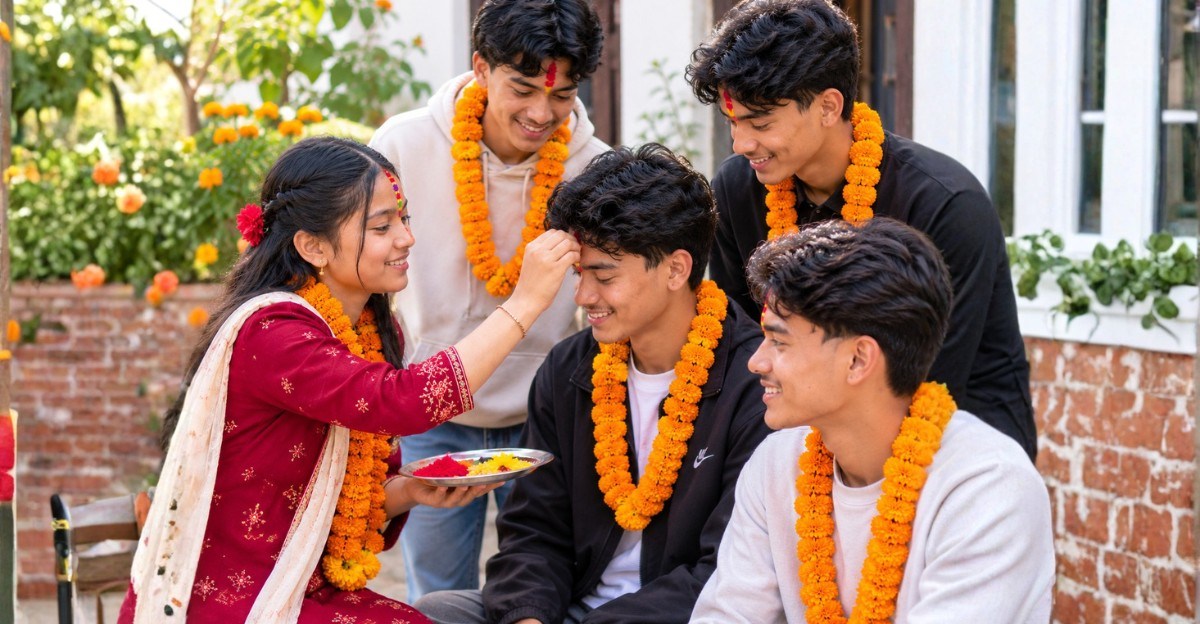
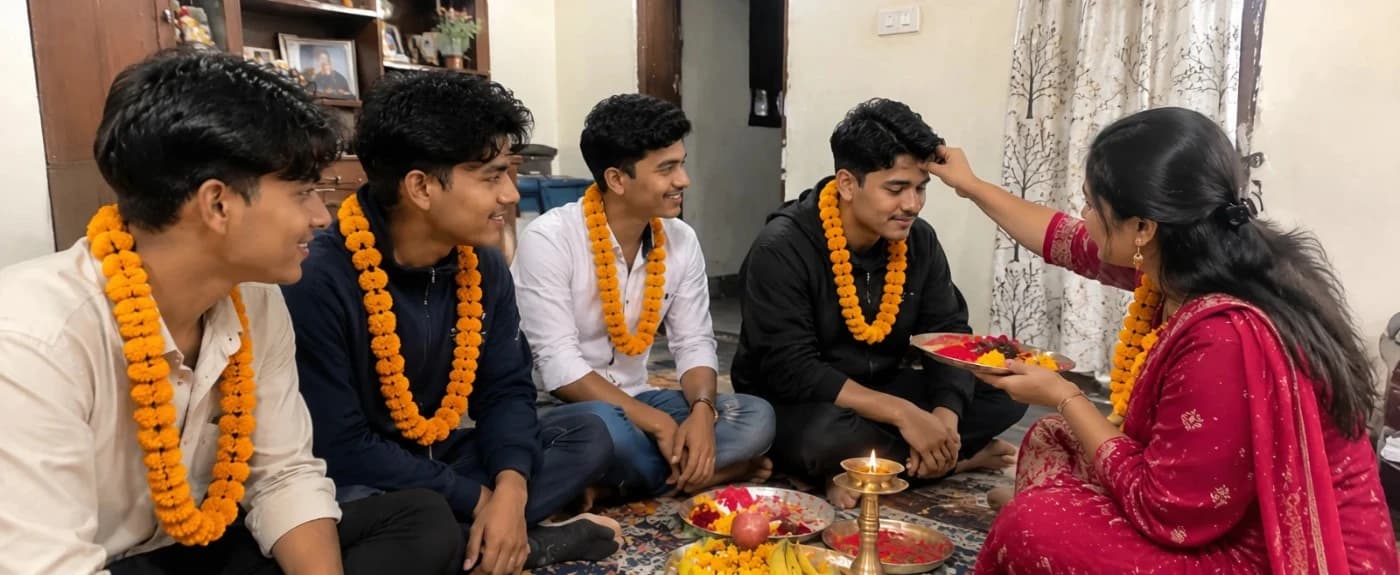
Bhai Tika closes the festival. Sisters place a seven-coloured tika on their brothers' foreheads, garland them with long-lasting makhamali (globe amaranth) flowers and pray for their long life. Brothers return the blessing and give gifts or money. Families without a brother or sister often celebrate with cousins or close friends, and many Nepalis travel home specifically for this day.
Deusi Bhailo: songs, traditions and local experiences
Deusi Bhailo is Tihar's door-to-door carolling. Groups of singers and dancers move from house to house after dark, perform at the doorway and receive money, fruit, sel roti and other sweets in return. The household's gift is answered with a blessing for prosperity.
- Bhailo is traditionally sung by girls and women, starting on Laxmi Puja night.
- Deusi is traditionally sung by boys and men, mostly from Govardhan Puja night onwards.
- Today, mixed groups, youth clubs and community organisations also go out, and many collect funds for local causes or neighbourhood events.
The songs follow a call-and-response pattern: a lead singer improvises a line, often teasing or praising the household, and the group answers with a refrain. Lyrics change from group to group, which is part of the fun.
If you are staying in a guesthouse or homestay, you may well see groups arrive at the door. You are welcome to watch, clap along and offer a small note to the group if your hosts invite you to. Ask before filming people at their doorways, and keep in mind that singing can continue late into the night in residential streets.
How do Nepali people celebrate Tihar? Lights, rangoli, marigolds and sweets
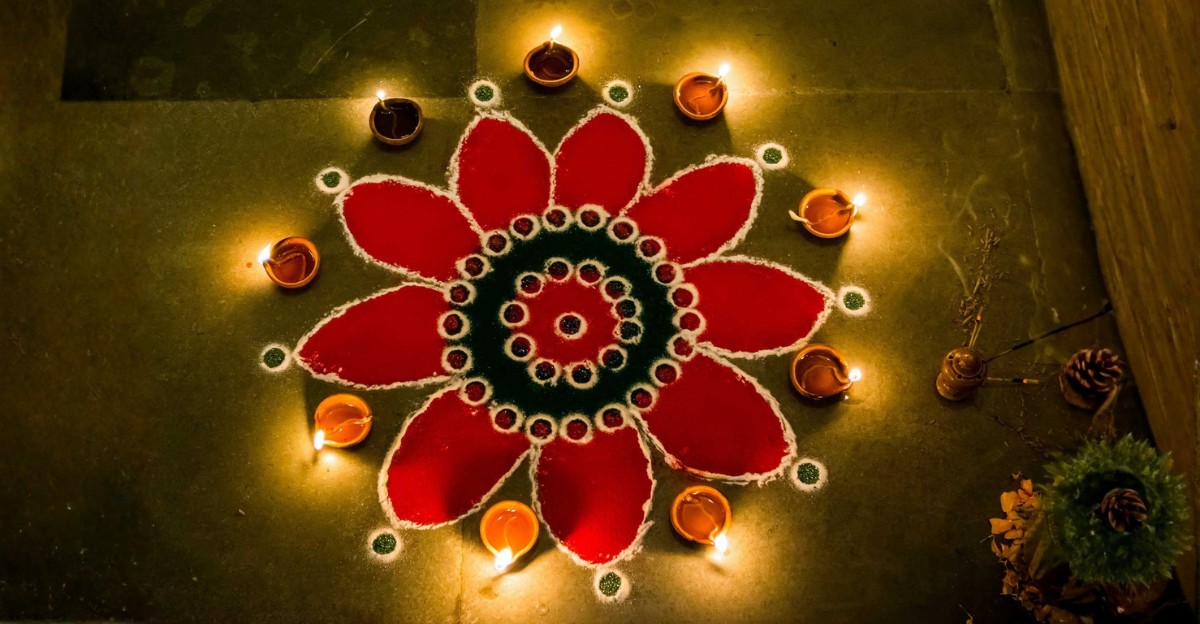
Tihar looks and smells different from any other time of year in Nepal. These are the details you will notice most.
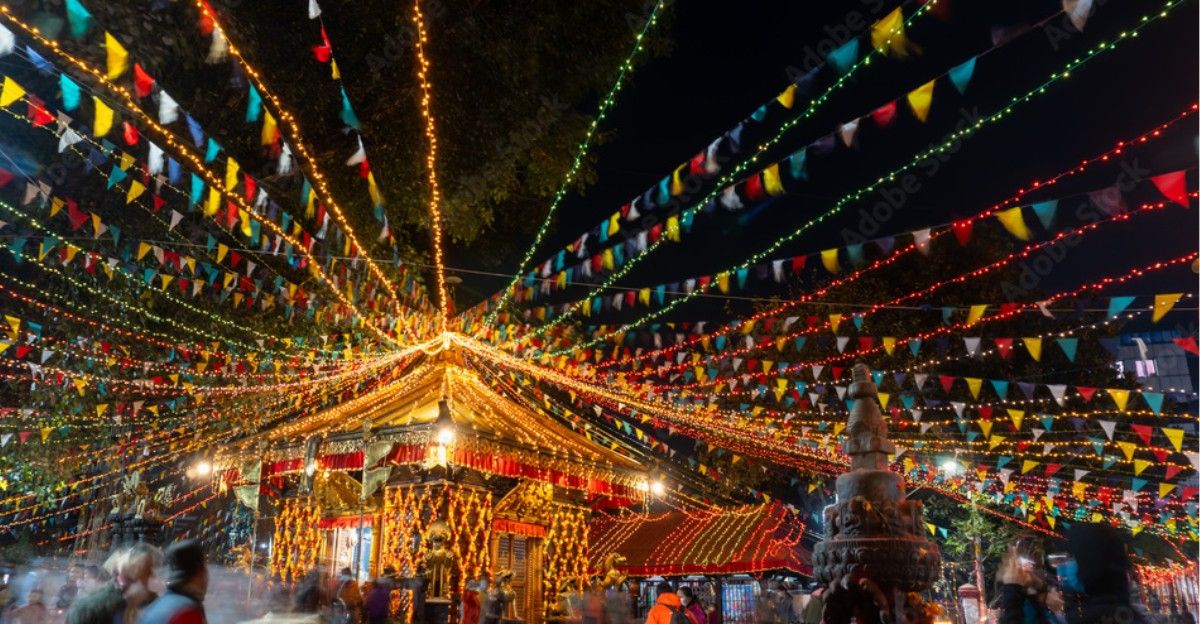
- Lights. Clay oil lamps (diyo), candles and strings of electric lights cover balconies, windows and shopfronts, especially on Laxmi Puja night. This is why Tihar is known as the Festival of Lights in Nepal.
- Rangoli. Families draw colourful patterns at the entrance with coloured powder, rice and flower petals. A rangoli welcomes Laxmi, so take care not to step on one.
- Marigolds. Orange and yellow marigold (sayapatri) garlands hang over doorways and around the necks of animals and people. Makhamali (globe amaranth) is kept for Bhai Tika because it lasts for days without wilting.
- Sweets and food. Sel roti, a ring-shaped fried rice bread, is the signature Tihar food. Homes also prepare or buy sweets, dried fruit and nuts, and Bhai Tika ends with a large family meal.
- Card games and fireworks. Card games are a long-standing part of Tihar gatherings, and firecrackers are common around Laxmi Puja. Expect noise late into the evening.
Markets fill with garland sellers, lamps, sweets and gifts in the days before Laxmi Puja. A walk through a busy Kathmandu bazaar on the afternoon of Laxmi Puja is a good way to see the preparations up close.
Where are the best places to experience Tihar in Nepal?
Tihar is a home and neighbourhood festival rather than a single public event, so the best experiences come from walking residential streets and old bazaars in the evening. These four places suit most travellers.
|
Place |
Why go during Tihar |
Best time |
|
Kathmandu |
Old bazaars such as Asan and Indra Chowk are packed with marigold, lamp and sweet sellers; lit lanes around Kathmandu Durbar Square and Thamel |
Afternoon and evening of Laxmi Puja |
|
Patan (Lalitpur) |
Newar neighbourhoods around Patan Durbar Square, lamp-lit courtyards and Mha Puja traditions |
Laxmi Puja evening and Mha Puja day |
|
Bhaktapur |
One of the most atmospheric places for Mha Puja and Nepal Sambat New Year, with lamps in its brick squares and courtyards |
Mha Puja day and evening |
|
Pokhara |
Relaxed Lakeside setting with lit hotels and cafes, and Deusi Bhailo groups in residential areas |
Laxmi Puja and Deusi nights |
Kathmandu
Stay central so you can walk the old city after dark. On Kukur Tihar morning, look for garlanded dogs in every neighbourhood. On Laxmi Puja evening, the lanes between Asan, Indra Chowk and New Road are among the busiest and brightest in the city.
Patan and Bhaktapur
Both are historic Newar towns where Tihar blends with Mha Puja and the Nepal Sambat New Year. If you are only in the valley for a few days, spend the evening of Govardhan and Mha Puja in one of them.
Pokhara
Pokhara is a good choice if you want festive lights with a quieter pace, or if you are starting or finishing an Annapurna trek around Tihar. Lakeside stays lively for visitors, while Deusi Bhailo is easier to see in the residential streets behind it.
Travel tips for visiting Nepal during Tihar
Tihar falls in Nepal's autumn travel season, so you get festival atmosphere alongside the busiest months for trekking. A little planning avoids most problems.
- Book transport early. Many Nepalis travel home for Bhai Tika, so long-distance buses and domestic flights fill up in the days before and after the festival. Reserve seats for those dates as soon as your plans are fixed.
- Expect holiday closures. Government offices and banks close for the public holiday (8 to 12 November in 2026). Tourist areas such as Thamel and Pokhara Lakeside stay largely open, but smaller shops and local restaurants may close or shorten hours, especially on Bhai Tika.
- Handle paperwork before the holiday. If you need a visa extension, a permit or a bank service, arrange it before Laxmi Puja.
- Carry some cash. Withdraw what you need before the busiest days, as ATMs in popular areas can run low over long holidays.
- Respect the rituals. Do not step on rangoli or painted footprints, ask before photographing family puja, and remove your shoes if you are invited into a prayer room.
- Be ready for noise. Firecrackers and late Deusi Bhailo singing are normal. Light sleepers should pack earplugs.
- Plan treks around the dates. If your trek overlaps Tihar, build in extra time for transport before and after, and ask us how departures and teahouse arrangements on your route are affected.
Travelling to Nepal for the first time? Our Nepal travel tips guide covers visas, money, SIM cards and etiquette in more detail.
Tihar FAQs
Is Tihar a good time to visit Nepal?
Yes, for most travellers. Tihar falls in autumn, when skies are typically clear and trekking conditions are at their most popular, and you see Nepali family life at its most festive. The trade-offs are busier transport around Bhai Tika and some closures during the public holiday.
Are shops open during Tihar?
Most shops, hotels and restaurants in tourist areas stay open, and many shops are decorated and lit for Laxmi Puja. Government offices and banks close for the public holiday, and smaller local businesses may close on Bhai Tika.
How long does Tihar last?
Tihar lasts five days, from Kaag Tihar to Bhai Tika. In 2026 that is 7 to 11 November, with a public holiday from 8 to 12 November.
What is the difference between Tihar and Diwali?
Both are Hindu festivals of lights held around the same new moon, and both centre on Laxmi Puja. Tihar adds days for honouring crows, dogs, cows and oxen, Deusi Bhailo carolling, and Bhai Tika for brothers and sisters.
Can tourists take part in Tihar?
Yes. You can watch Kukur Tihar in the streets, walk the lit bazaars on Laxmi Puja, and enjoy Deusi Bhailo at your guesthouse. Joining a family puja or Bhai Tika is by invitation, so follow your hosts' lead.
Can I trek during Tihar?
Yes. Tihar falls in the main autumn trekking season. Allow extra time for road and flight connections around the festival, and confirm arrangements for your route before you book.