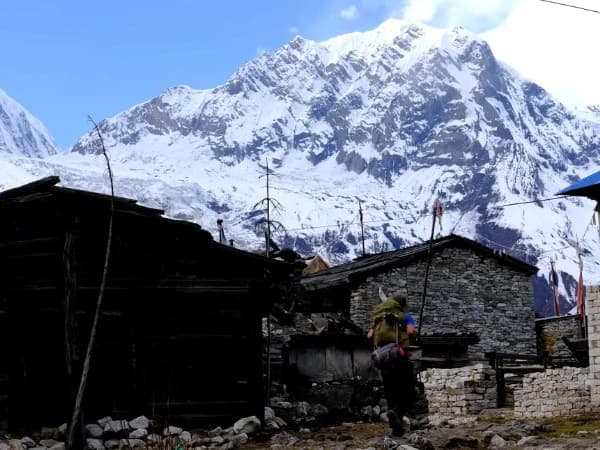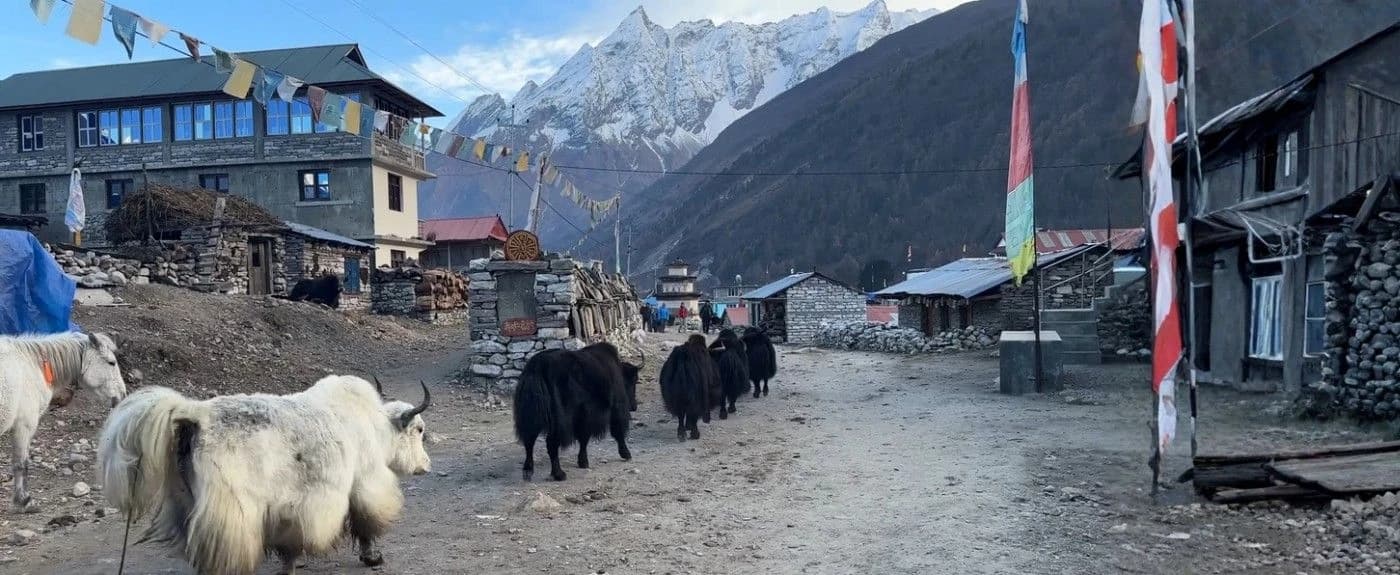
The most useful Nepal travel tips come down to five things: get the right visa, pick your season carefully, carry cash, never drink tap water, and respect altitude. Most visitors can get a tourist visa on arrival for 15, 30 or 90 days, autumn and spring are the most popular seasons, and anyone heading above 3,000 metres should plan a slow ascent. The 21 tips below cover each of these in practical detail.
Nepal travel essentials: visa, passport and entry requirements
1. Check your passport before you book
Your passport should be valid for at least six months from your arrival date and have blank pages for the visa sticker. Carry a few passport photos and photocopies of the photo page as well; they are useful for SIM cards, permits and visa extensions.
2. Choose the right Nepal visa on arrival (or apply online)
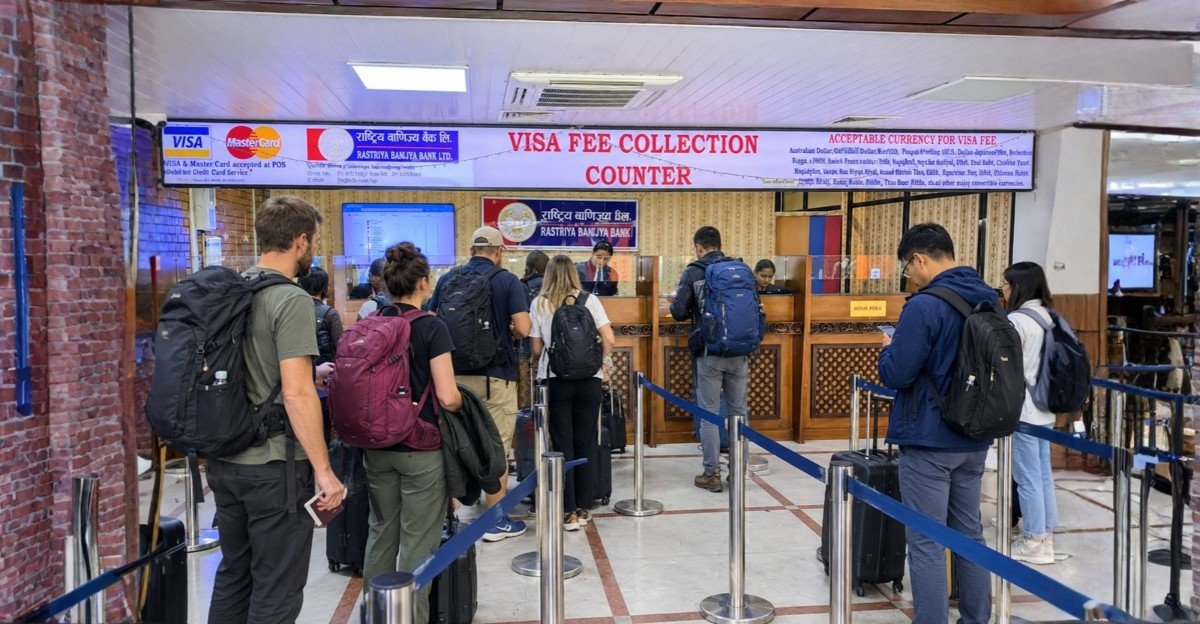
Most nationalities can get a multiple-entry Nepal visa on arrival at Tribhuvan International Airport in Kathmandu and at official land borders. You can also complete the online application before you fly, which shortens the queue on arrival.
|
Tourist visa length |
Fee |
|
15 days |
US$30 |
|
30 days |
US$50 |
|
90 days |
US$125 |
These fees have been unchanged since July 2019. Indian citizens do not need a visa, and citizens of most SAARC countries receive a free 30-day visa on their first visit in a calendar year. Carry the fee in US dollars or another major currency; exact change saves time.
3. Know the extension rules and the 150-day limit
You can extend a tourist visa at the Department of Immigration in Kathmandu or the immigration office in Pokhara, up to a total of 150 days in a calendar year. Extensions cost US$45 for the first 15 days and US$3 for each extra day. Overstaying adds a daily fine, so extend before your visa expires.
What is the best time to visit Nepal by season?
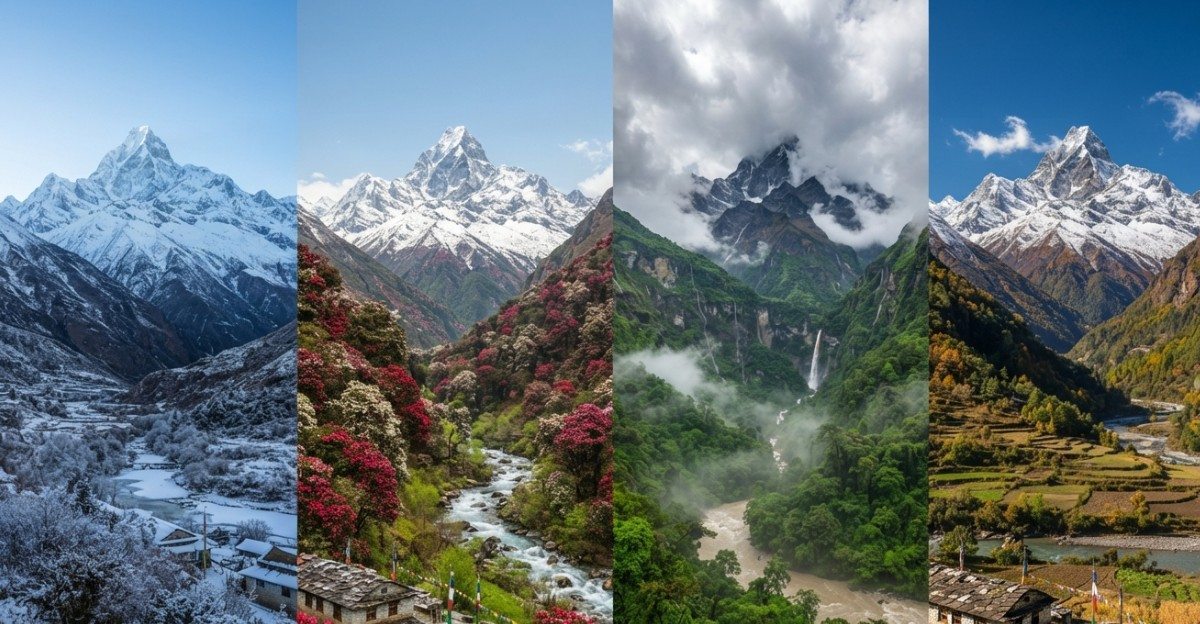
4. Pick the season that matches your priority
The best time to visit Nepal depends on what you want most: mountain views, fewer crowds, flowers or green landscapes. Autumn and spring are the main trekking seasons, but each season has trade-offs.
|
Season |
Months |
What to expect |
Best for |
|
Autumn |
September to November |
Typically clear skies after the monsoon, comfortable daytime temperatures, busiest trails and lodges |
Classic treks, mountain views, festivals |
|
Winter |
December to February |
Cold nights at altitude, mostly dry weather, quieter trails; high passes may close after snow |
Lower treks, city sightseeing, fewer crowds |
|
Spring |
March to May |
Warmer days, rhododendrons in flower, more afternoon haze and cloud as the season goes on |
Treks, wildflowers, Everest expedition season |
|
Monsoon |
June to August |
Daily rain in most regions, leeches on lower trails, road and flight disruptions; green and quiet |
Rain-shadow areas such as Upper Mustang, cultural visits |
Weather patterns are typical, not guaranteed. Early-season snow, late monsoon rain and cloud can affect any trip, so leave buffer days in your plan.
5. Check festival dates before you fix your itinerary
Dashain and Tihar, Nepal's two biggest festivals, fall in Autumn. They are wonderful to experience, but buses and domestic flights fill quickly and government offices and banks close for several days. If your dates overlap, book transport early and finish any paperwork beforehand. Our Tihar festival guide lists the 2026 dates and what to expect.
How do you get around Nepal? Flights, tourist buses, taxis and local transport
6. Build buffer days around domestic flights
Domestic flights save days on routes such as Kathmandu to Pokhara (about 25 minutes in the air) and are the usual way to reach Lukla for the Everest region. Mountain flights depend on visibility, so delays and cancellations are common, especially in the early morning cloud of spring and the monsoon. In recent peak seasons, many Lukla flights have operated from Ramechhap (Manthali) instead of Kathmandu, which adds a long drive; confirm the departure airport for your dates. Plan at least one spare day before your international flight home.
7. Use tourist buses for long road journeys
Tourist buses run daily between Kathmandu, Pokhara and Chitwan, with reserved seats and set departure points. They are slower than flying: Kathmandu to Pokhara usually takes most of the day because of mountain roads, traffic and roadworks. Local buses are cheaper but more crowded and less predictable. Private jeeps or cars suit families, small groups and trailhead transfers.
8. Agree taxi fares or use a ride app in the cities
Taxis in Kathmandu and Pokhara rarely use meters, so agree the fare before you get in. Ride-hailing apps such as Pathao and inDrive work in the main cities and show the price upfront. Walking is often the best way to explore old Kathmandu, Patan and Bhaktapur, but watch for motorbikes in narrow lanes.
Money tips: Nepali rupee, ATMs, cards and tipping
9. Carry cash, especially for treks
Nepal's currency is the Nepali rupee (NPR). ATMs are easy to find in Kathmandu and Pokhara, but foreign cards usually attract a local fee per withdrawal plus your own bank's charges, and per-transaction limits vary by bank. On most trekking routes ATMs are scarce or unreliable, so withdraw enough cash before you leave the city for teahouse extras such as hot showers, charging, Wi-Fi and snacks.
10. Use cards where accepted, and know the cash limits
Larger hotels, some restaurants and outdoor shops accept cards, often with a surcharge. Smaller shops, taxis and teahouses are cash only. You can bring up to US$5,000 or the equivalent in foreign currency without a customs declaration. Indian rupee notes of ₹200 and ₹500 issued after 9 November 2016 are now permitted for Indian and Nepali citizens, up to ₹25,000 per person; older ₹500 and ₹1,000 notes remain banned.
11. Understand service charges and tipping
Many restaurants in tourist areas add a 10% service charge and 13% VAT to the bill, so check before adding more. Tipping is not compulsory in cafes, but it is customary for trekking guides and porters at the end of a trek, usually given personally as a thank-you.
Internet and SIM cards for tourists in Nepal
12. Get a local SIM or eSIM, and expect patchy signal on the trail
Nepal has two main mobile networks: Nepal Telecom (NTC, also called Namaste) and Ncell. Both sell tourist SIM cards at counters in the arrivals area of Tribhuvan International Airport and at official outlets in the cities, and both offer eSIMs. Bring your original passport, as registration is required; staff may also ask for a copy of your visa page.
Coverage is good in cities and along main highways but varies on trekking routes. Many trekkers find NTC more reliable in remote valleys, and some carry both networks for backup. Teahouses often sell Wi-Fi, and in parts of the Everest region you can buy prepaid Wi-Fi cards that work across several villages. Download offline maps and important documents before you set out.
What should you pack for Nepal? City travel vs Himalayan trekking
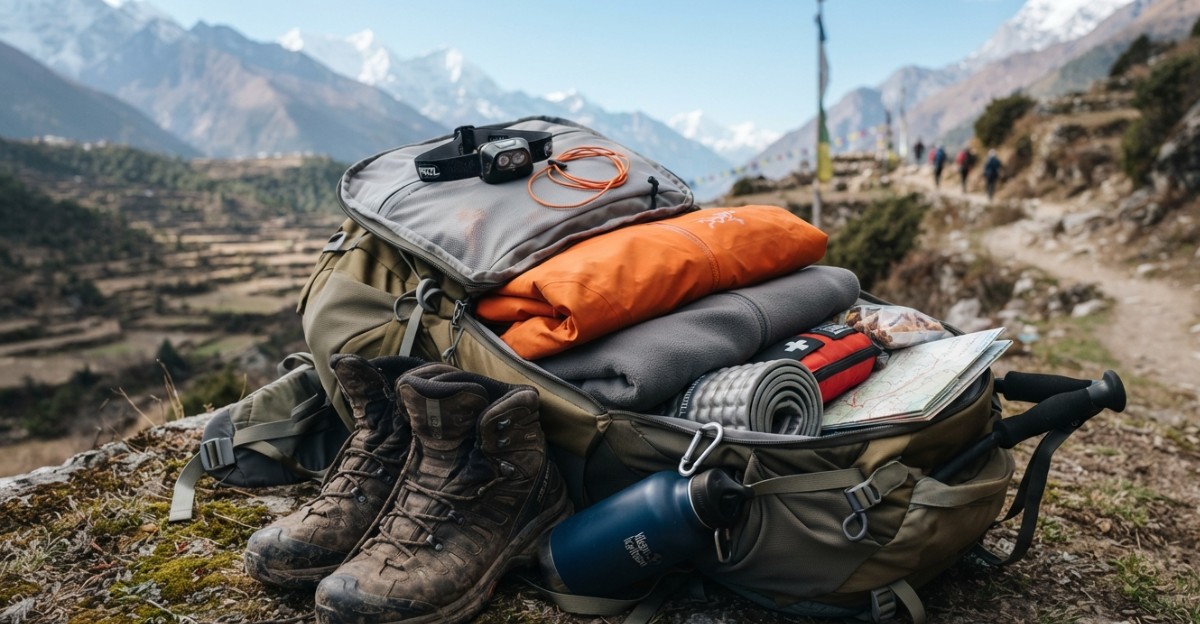
13. Pack for the trip you are actually taking
A week in Kathmandu and Pokhara needs far less than a two-week trek. Use this as a starting point and adjust for season and route.
|
Category |
City and cultural travel |
Himalayan trekking (add to city list) |
|
Clothing |
Light layers, a warm jacket for evenings from October to March, modest clothes covering shoulders and knees for temples |
Base layers, fleece, insulated down jacket, waterproof shell, warm hat, gloves, trekking trousers |
|
Footwear |
Comfortable walking shoes, sandals that slip off easily at temples |
Broken-in trekking boots, camp shoes, good socks |
|
Sleep |
Not needed |
Sleeping bag suited to the season and altitude (rentable in Kathmandu and Pokhara) |
|
Health |
Personal medicines, hand sanitiser, sunscreen, mask for dusty roads |
First-aid kit, blister care, high-SPF sunscreen and lip balm, sunglasses |
|
Water |
Refillable bottle |
Purification tablets or a filter, insulated bottle |
|
Electronics |
Universal adapter (sockets take Type C, D and M plugs, 230 V), power bank |
Spare power bank, head torch, spare batteries for the cold |
|
Documents |
Passport, photos, insurance details, copies |
Trekking permits, guide and agency contacts |
Some of our trekking packages include a sleeping bag and down jacket on loan; check your package inclusions before you buy or rent gear. Porters typically carry a set weight per trekker, so pack in a soft duffel and keep your daypack light.
Food and water safety tips in Nepal
14. Do not drink the tap water
Tap water in Nepal is not safe to drink, even in good hotels. Use sealed bottled water, boiled water, or water you have filtered or treated yourself, and use it for brushing your teeth too. On treks, refilling a bottle with treated water is cheaper than buying bottles and keeps plastic off the trails; many villages sell safe drinking water from refill stations.
15. Eat freshly cooked food and keep your hands clean
Stomach upsets are one of the most common travel illnesses in Nepal. Choose busy restaurants, freshly cooked hot dishes and fruit you peel yourself, and be cautious with salads, raw garnishes and ice in small eateries. Dal bhat, the national meal of lentil soup, rice and vegetable curry, is freshly made, filling and the standard trekking fuel. Wash or sanitise your hands before eating, and talk to a travel health clinic about vaccinations well before you leave.
Cultural etiquette: temples, dress code, greetings and photography
16. Follow temple and stupa customs
Remove your shoes before entering temples and monasteries, and leave leather items outside where signs ask you to. Walk clockwise around Buddhist stupas, prayer wheels and mani walls. Some Hindu temples, including the main temple at Pashupatinath, admit Hindus only; you can view the complex from the surrounding grounds. Never touch offerings or step over them.
17. Dress modestly and greet people the Nepali way
Greet people with namaste, palms pressed together, rather than a handshake, especially with elders. Cover shoulders and knees at religious sites and in villages. Use your right hand to give, receive and eat, avoid pointing your feet at people or shrines, and do not touch anyone's head. Public displays of affection are uncommon outside tourist areas.
18. Ask before you photograph people and rituals
Most people are happy to be photographed if you ask first, and a smile or gesture is usually enough. Some monasteries do not allow photography inside, and cremations at Pashupatinath are private family rites, so keep your distance and lower your camera. Flying a drone requires official permission, so check the rules before you pack one.
Health, altitude and travel insurance tips
19. Respect altitude, whatever your fitness
Altitude illness can affect anyone who sleeps above about 2,500 metres, regardless of age or fitness. Once above 3,000 metres, the CDC advises raising your sleeping altitude by no more than 500 metres a day and adding an extra acclimatisation day for every 1,000 metres gained. Well-planned itineraries build this in, but they reduce the risk rather than remove it.
Tell your guide about headache, nausea, unusual tiredness or poor sleep straight away, never ascend with worsening symptoms, and descend if they get worse. Ask your doctor or a travel health clinic about altitude medication before you travel; do not start any medicine on someone else's advice on the trail.
20. Buy travel insurance that covers trekking altitude and evacuation
If you plan to trek, your policy should cover trekking up to your route's highest point and helicopter evacuation. Many standard policies stop at a lower altitude or exclude trekking, so read the wording, not just the summary. Keep your policy number and the insurer's emergency line on your phone and on paper.
Save these emergency numbers before you arrive:
|
Service |
Number |
|
Tourist Police (English-speaking) |
1144 |
|
Police |
100 |
|
Ambulance |
102 |
|
Fire |
101 |
Nepal trekking tips: permits and guide rules
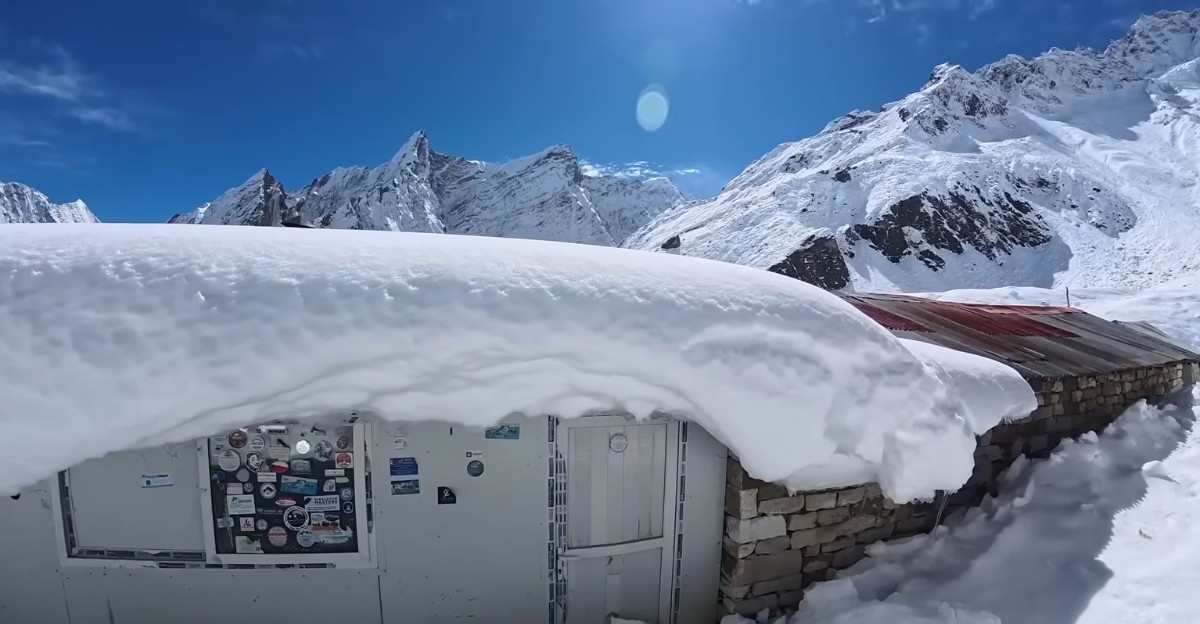
21. Sort permits and a licensed guide before you reach the trailhead
Most popular treks pass through national parks, conservation areas or restricted areas, and each needs its own permits. Since 1 April 2023, Nepal Tourism Board rules have required foreign trekkers in these areas to trek with a licensed guide arranged through a registered agency. Enforcement has varied by region, so confirm the current rules for your route before you book.
Restricted areas such as Manaslu, Tsum Valley and Upper Mustang have stricter conditions: a Restricted Area Permit is issued only through a registered trekking agency, and you must trek with a licensed guide. The Everest region has its own local entry permit alongside the Sagarmatha National Park permit. Because permit fees and conditions change, check them for your route and dates, or let your trekking agency arrange them as part of your package.
Nepal travel FAQs
Is Nepal safe for tourists?
Nepal is generally safe for tourists, and violent crime against visitors is uncommon. The bigger practical risks are road travel, altitude, stomach illness and weather disruption on mountain routes. Petty theft happens in crowded areas, and protests or strikes occasionally disrupt transport, so check your government's travel advice before and during your trip.
Do I need travel insurance for Nepal?
Yes, you should have it. Trekkers need a policy that covers their maximum trekking altitude and helicopter evacuation, as rescue and hospital costs can be very high.
Can I drink tap water in Nepal?
No. Drink sealed bottled water, boiled water, or water you have filtered or treated, and use it to brush your teeth.
How many days do I need in Nepal?
A first visit focused on Kathmandu, Pokhara and Chitwan suits about 7 to 10 days. Add the length of your trek plus at least one buffer day if you plan to walk in the mountains.
Can I get a Nepal visa on arrival?
Yes, most nationalities can. Tourist visas on arrival cost US$30 for 15 days, US$50 for 30 days and US$125 for 90 days, and you can apply online before you fly to save time.
Is Nepal good for first-time travellers?
Yes. Tourist infrastructure in Kathmandu and Pokhara is well developed, English is widely spoken in tourist areas, and organised treks remove most of the logistics. First-time trekkers do best on routes that match their fitness and allow proper acclimatisation.
Explore Our Nepal Trekking Packages
If you are ready to turn these Nepal travel tips into a trekking plan, explore the available packages below:
- Annapurna Base Camp Trek
- Annapurna Base Camp + Mardi Himal Trek
- Annapurna Base Camp Trek – 10 Days
- 6-Day Annapurna Base Camp Trek for Beginners
- Annapurna Base Camp Trek for Seniors
- Annapurna Base Camp Trek with Family and Kids
- Short Annapurna Base Camp Trek – 5 Days
- Short Annapurna Base Camp Trek – 7 Days
- Annapurna Circuit Trek
- Ghorepani Poon Hill Trek
- Mardi Himal Trek
- Everest Base Camp Trek
- Everest Base Camp Trek via Salleri
- Everest Base Camp Trek with Helicopter Return
- Everest Base Camp Helicopter Tour
- Everest Three Passes Trek
- Gokyo Lake Trek
- Everest Base Camp Trek with Island Peak Climbing
- Island Peak Climbing
- Manaslu Circuit Trek
- Short Manaslu Circuit Trek
- Manaslu Circuit Family Trek
- Manaslu Circuit Trek with Tsum Valley
- Tsum Valley Trek
- Mera Peak Climbing
- Pikey Peak Trek