If a client gives me one choice of month for a first Everest Base Camp trek, I usually say November. The monsoon haze has gone, the trails are dry, and on most mornings you can see Ama Dablam from the window of your teahouse in Pangboche without a cloud on it.
But November isn't a free pass. Nights at Gorak Shep drop well below minus 15°C, the sun leaves the valley by mid-afternoon, and the Lukla flight still runs on the weather's terms. This guide covers what the month really feels like on the trail, what to pack, what it costs, and how to plan so a delayed flight doesn't wreck your trip.
Key Takeaways
-
November gives you the clearest, driest trekking weather of the year, with fewer people than October.
- The cold is the price. Bring a sleeping bag rated to around minus 15°C comfort, or minus 10°C plus a good liner.
- Plan 14 days, not 12, and keep one spare day in Kathmandu for Lukla flight delays.
- In 2026, the Mani Rimdu festival at Tengboche falls in late October, not November. If it matters to you, start your trek around October 20.
- Choose your operator on safety and acclimatization, not on the lowest price.
Is November a Good Time for the Everest Base Camp Trek?
Yes. November is one of the two best months for the Everest Base Camp trek, along with October. You get stable dry weather, sharp mountain views and firm trails. The trade-off is cold: nights drop to minus 15°C or lower above 4,900 m, and late November feels close to winter.
Why November Works So Well
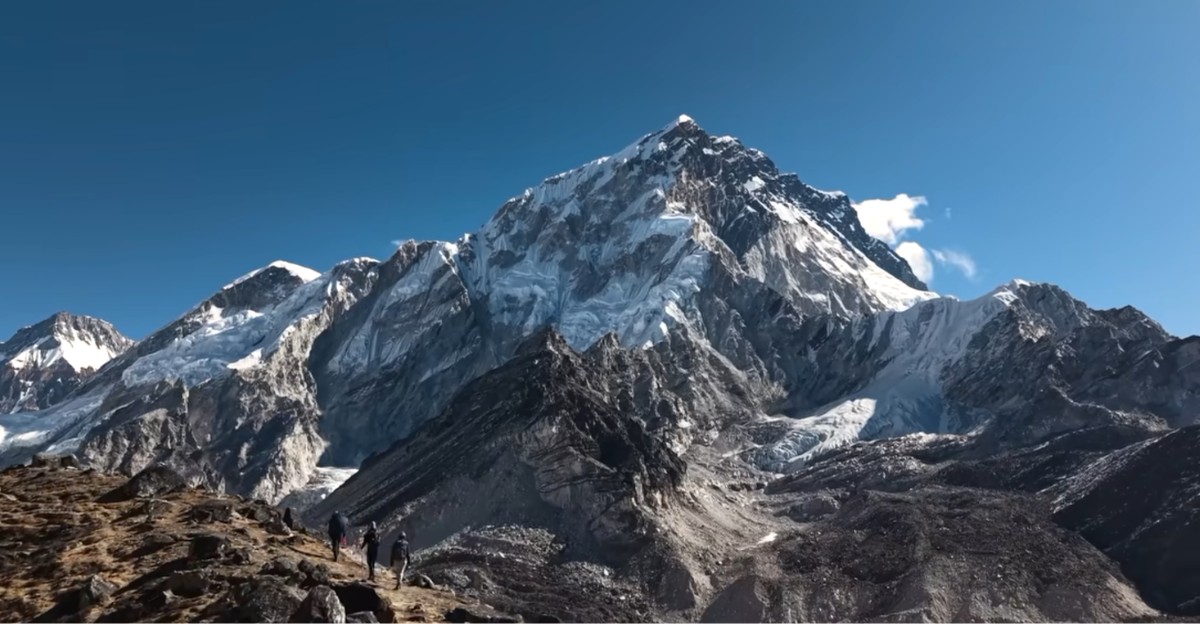
The monsoon has washed the dust out of the air by late September, and in November the air is drier and clearer still. On a typical November morning you'll see Everest, Lhotse and Ama Dablam from the ridge above Namche without the afternoon cloud that builds in October.
Here's what you get:
- Reliable visibility. Most days start clear. Cloud, when it comes, tends to build after 1 pm and burn off by night.
- Dry, firm trails. No mud, no leeches, no slippery stone steps below Namche.
- Fewer people than October. The first two weeks are still busy. After about November 15, the crowd thins out noticeably and you can usually get a room with an attached bathroom in Namche without booking far ahead.
- Strong lodge network. Every teahouse on the main route stays open through November.
The Trade-Offs Most Brochures Skip
The cold is serious above Dingboche. Your water bottle will freeze on the windowsill at Lobuche if you leave it there.
-
Short afternoons. In the upper valleys, the sun drops behind the ridges around 3:00 to 3:30 pm. The temperature falls 10 degrees in about 20 minutes.
- Lukla flights can still stall. November is the most reliable flying month, but a single cloudy morning at Lukla can stack up two days of passengers.
- Late November dryness. Cold, dry air at altitude gives a lot of trekkers the "Khumbu cough." Cover your mouth with a buff on the high sections.
Early, Mid or Late November: Which Should You Choose?
|
Period |
Weather |
Crowds |
Best for |
|
Nov 1 to 10 |
Mildest, very clear |
Still busy |
First-timers who want warmer nights |
|
Nov 11 to 20 |
Clear, colder nights |
Moderate |
The best balance for most trekkers |
|
Nov 21 to 30 |
Coldest, small chance of snow |
Quiet |
Experienced trekkers who want solitude and handle cold well |
Everest Base Camp Trek Weather in November
How Cold Is Everest Base Camp in November?
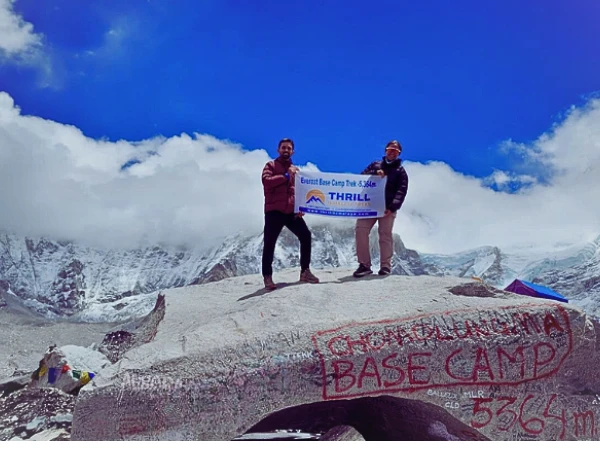
At Everest Base Camp in November, expect daytime temperatures around minus 2°C to 5°C (28 to 41°F) in sunshine and nights of minus 15°C to minus 20°C (5 to minus 4°F). Wind chill at dawn on Kala Patthar can make it feel like minus 25°C. Early November is a few degrees milder than late November.
Temperature by Village and Time of Month
These are typical ranges from our November departures and local lodge records. Daytime figures are in sunshine; shade feels much colder.
|
Location |
Altitude |
Early Nov (day / night) |
Mid Nov (day / night) |
Late Nov (day / night) |
|
Lukla |
2,860 m |
12 to 15°C / 0 to 3°C |
10 to 13°C / minus 1 to 1°C |
8 to 11°C / minus 4 to minus 1°C |
|
Namche Bazaar |
3,440 m |
10 to 13°C / minus 3 to 0°C |
8 to 11°C / minus 5 to minus 2°C |
6 to 9°C / minus 8 to minus 4°C |
|
Dingboche |
4,410 m |
6 to 9°C / minus 9 to minus 6°C |
4 to 7°C / minus 11 to minus 8°C |
2 to 5°C / minus 14 to minus 10°C |
|
Lobuche |
4,940 m |
3 to 6°C / minus 13 to minus 10°C |
1 to 4°C / minus 15 to minus 12°C |
minus 1 to 2°C / minus 17 to minus 14°C |
|
Gorak Shep |
5,164 m |
2 to 5°C / minus 15 to minus 12°C |
0 to 3°C / minus 17 to minus 14°C |
minus 2 to 1°C / minus 20 to minus 16°C |
|
Everest Base Camp |
5,364 m |
1 to 5°C / minus 16 to minus 13°C |
minus 1 to 3°C / minus 18 to minus 15°C |
minus 3 to 0°C / minus 21 to minus 17°C |
Early November
The first ten days often feel like late October. You'll walk in a base layer and soft shell below Tengboche most days. Nights at Dingboche hover around minus 7°C. This is the busiest part of the month, so lodges higher up fill early in the afternoon.
Mid November
The skies stay clear and the nights get sharper. Inside an unheated room at Lobuche it's usually below freezing by morning. This is the period I recommend most: the views are at their best and the trail is quieter than October.
Late November
From about November 20, the upper valley feels like early winter. Streams freeze along the edges, the trail above Lobuche can have patches of ice in the morning, and some smaller lodges at Gorak Shep start running reduced menus. If you're fit, well equipped and like quiet trails, it's a great time. If you've never slept in a minus 15°C room, pick earlier dates.
Wind Chill, Sun and Shade
The number on the thermometer tells half the story. Above Dingboche, a light afternoon wind of 20 to 30 km/h comes up the Khumbu valley most days. At minus 5°C, that feels like minus 13°C on bare skin.
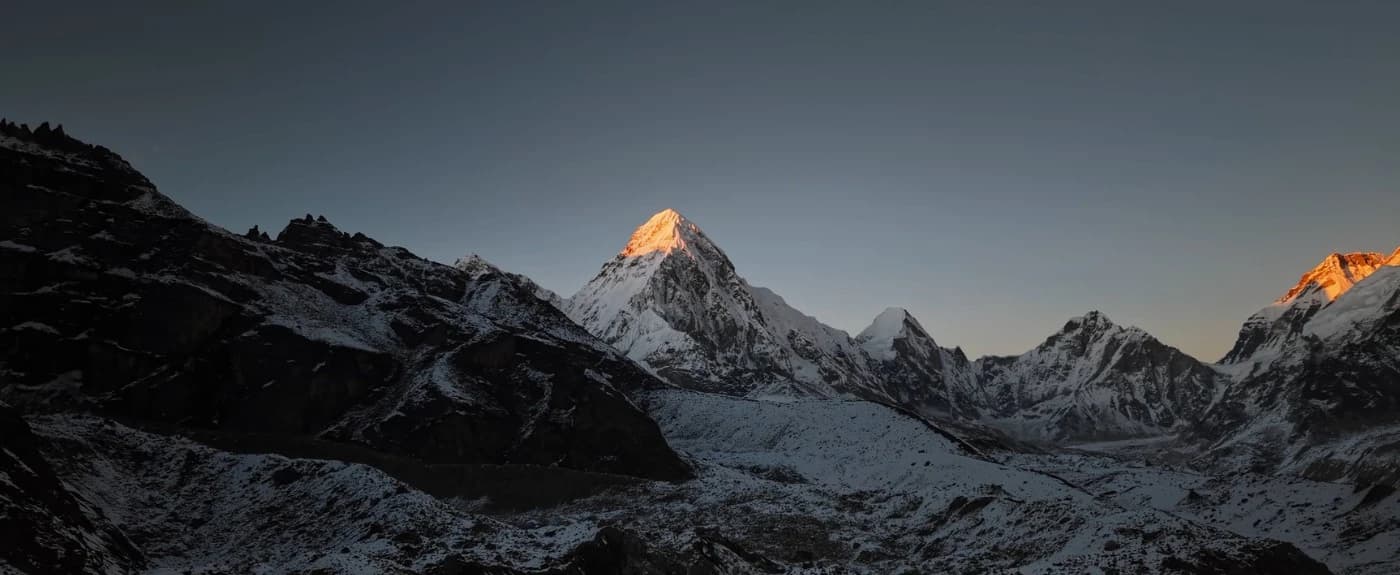
In direct sun at Gorak Shep around noon, you can trek comfortably in a fleece. When the sun slips behind Pumori in the afternoon, you'll want your down jacket inside five minutes. Keep it at the top of your daypack, not at the bottom.
Sunrise, Sunset and Daylight
- Sunrise: roughly 6:10 to 6:30 am through November
- Sunset: roughly 5:00 to 5:10 pm, but the valleys lose direct sun much earlier
- Usable trekking light: about 10 to 11 hours
We start most trekking days by 7:30 or 8:00 am so you arrive at the next lodge by 2 or 3 pm, while it's still warm enough to wash and dry your socks.
Will it snow in november ?
Most Novembers bring very little precipitation. You might see one or two afternoons of light flurries above Lobuche, usually in the second half of the month. A heavy snowfall is rare but not impossible, which is one more reason to carry gaiters or microspikes in late November and to keep a spare day in your plan.
Trail Conditions
Below Namche, the trail is dusty and busy with yak and zopkyo trains. Always step to the mountain side when they pass. Above Dingboche, the path is dry moraine and rock. Early mornings bring frozen puddles and icy patches on the descent from Gorak Shep, so walk slowly and use your poles.
What Is the Best EBC Trek Itinerary for November?
The best November itinerary takes 14 days from Kathmandu with two acclimatization days (Namche and Dingboche), a Manthali departure for the Lukla flight, and one spare buffer day in Kathmandu at the end. That gives your body time to adjust and gives you room if a flight is delayed.
14-Day Everest Base Camp Itinerary for November
|
Day |
Route |
Altitude |
Walking time |
|
1 |
Arrive in Kathmandu, gear check and briefing |
1,400 m |
- |
|
2 |
Permits and prep in Kathmandu; afternoon drive to Manthali (Ramechhap), overnight there |
470 m |
4 to 5 hrs drive |
|
3 |
Fly Manthali to Lukla, trek to Phakding |
2,610 m |
3 to 4 hrs |
|
4 |
Phakding to Namche Bazaar |
3,440 m |
6 to 7 hrs |
|
5 |
Acclimatization day: hike to the Everest View Hotel area, back to Namche |
3,880 m high point |
3 to 4 hrs |
|
6 |
Namche to Tengboche |
3,867 m |
5 to 6 hrs |
|
7 |
Tengboche to Dingboche |
4,410 m |
5 to 6 hrs |
|
8 |
Acclimatization day: hike to Nangkartshang viewpoint |
about 5,080 m high point |
3 to 4 hrs |
|
9 |
Dingboche to Lobuche |
4,940 m |
5 to 6 hrs |
|
10 |
Lobuche to Gorak Shep, then Everest Base Camp and back |
5,164 m / 5,364 m |
7 to 8 hrs |
|
11 |
Kala Patthar at dawn, descend to Pheriche |
5,545 m / 4,371 m |
7 to 8 hrs |
|
12 |
Pheriche to Namche Bazaar |
3,440 m |
6 to 7 hrs |
|
13 |
Namche to Lukla |
2,860 m |
6 to 7 hrs |
|
14 |
Fly Lukla to Manthali, drive to Kathmandu |
1,400 m |
20 min flight + 4 to 5 hrs drive |
|
15 |
Buffer day in Kathmandu (strongly recommended) |
1,400 m |
- |
Why we overnight in Manthali on Day 2: most first-wave Lukla flights leave Manthali between 6 and 7 am. Without an overnight stop, you'd leave Kathmandu at 1:30 or 2 am and arrive at Lukla on no sleep, which is a poor way to start an altitude trek. A night in Manthali costs a little more and you begin the trek rested.
Kala Patthar at sunrise or sunset? Sunrise is the classic, but Everest is backlit and you climb in the coldest hour of the day, often minus 20°C with wind. Sunset lights up the face of Everest in orange and is several degrees warmer. The catch is a headlamp descent to Gorak Shep. On our November groups, I let the group's energy decide on the day.
12 Days vs 14 Days: Which Is Safer?
|
|
12-day plan |
14-day plan (+1 buffer) |
|
Acclimatization days |
Usually 2, sometimes 1 |
2 |
|
Kathmandu prep day |
No |
Yes |
|
Manthali overnight |
No (2 am drive) |
Yes |
|
Buffer for flight delays |
None |
1 day |
|
Summit success rate |
Lower for first-timers |
Higher |
|
Best for |
Fit, altitude-experienced trekkers on tight leave |
First-timers and anyone who can't miss an international flight |
Rushing fails in November for two reasons. Cold air at altitude dehydrates you faster, which makes altitude sickness more likely. And a trip with no buffer turns a one-day weather delay into a missed international flight. Two extra days cost far less than a rebooked ticket home.
How Do Lukla Flights Work in November?
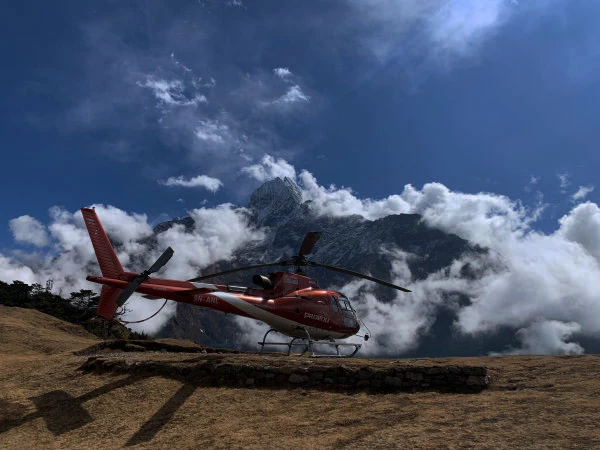
In the autumn season, most Lukla flights depart from Manthali Airport in Ramechhap, not Kathmandu. Manthali is about 130 km east of Kathmandu, a 4 to 5 hour drive. The flight to Lukla takes 15 to 20 minutes. November is the most reliable month for flying, but delays of a few hours to a day still happen.
Why Flights Leave from Ramechhap (Manthali)
Since 2019, Nepal's Civil Aviation Authority has moved most peak-season Lukla flights from Kathmandu's Tribhuvan Airport to Manthali to ease congestion. The shorter hop also means planes can make more round trips during Lukla's morning weather window. For autumn 2026, Manthali–Lukla flights have been running since late September and the daily number has been rising with the season.
Direct Kathmandu–Lukla flights sometimes reopen in quieter periods, but plan for Manthali in November.
Getting from Kathmandu to Manthali
-
Distance: about 130 km
-
Drive time: 4 to 5 hours by private jeep or shared tourist vehicle
-
Our approach: drive the afternoon before, overnight in a basic Manthali hotel, fly on the first wave
-
The alternative: leave Kathmandu around 1:30 or 2 am for a 6 or 7 am flight
November Flight Delays: What Actually Happens
Lukla flights operate on visual flight rules, so they need clear weather at Manthali, along the route and at Lukla. In November:
- Mornings are usually clear. The first two or three waves typically fly on schedule.
- Cloud builds after late morning. If your flight slips past 10 or 11 am, the chance of cancellation rises.
- Late November brings lowland fog. Morning fog around Manthali can hold departures until it lifts, often by 9 or 10 am.
- Return flights are the bigger risk. A cancelled day at Lukla means everyone from that day joins the next morning's queue.
Our flight-delay strategy:
- Book first-wave flights in both directions.
- Keep one buffer day in Kathmandu before your international flight.
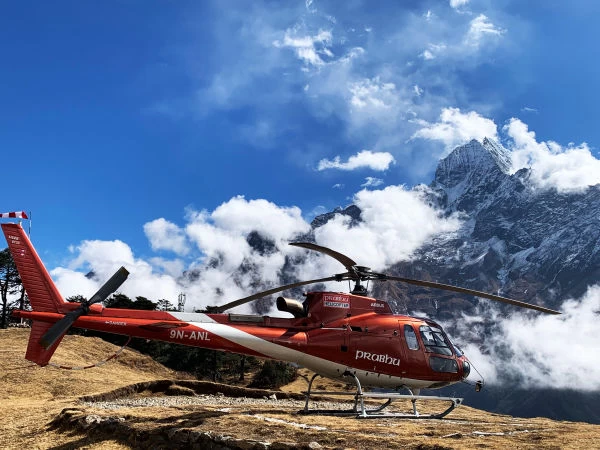
- If the return is cancelled, decide early in the day whether to wait or switch to a shared helicopter.
- Carry travel insurance that covers trip delays and missed connections.
Helicopter Options and Costs
|
Option |
Approximate cost |
When it's worth it |
|
Shared heli seat, Lukla to Manthali or Kathmandu |
USD 400 to 600 per seat |
Return flights cancelled and your international flight is close |
|
Private charter, Kathmandu to Lukla (up to 5 passengers) |
USD 2,500 to 3,500 per helicopter |
Groups who want to skip the Manthali drive |
|
EBC heli trek return (Gorak Shep or Kala Patthar to Kathmandu) |
USD 1,000 to 1,500 per person on a shared basis |
Short on time, bad knees, or want an aerial view of the Khumbu Icefall |
Helicopter prices change with fuel costs and how many seats get filled, so treat these as guide ranges.
Baggage Rules
Lukla flights allow about 15 kg per person in total (usually 10 kg checked plus 5 kg hand luggage). Airlines charge for extra weight and may refuse it on busy November days. Pack your duffel at 10 to 12 kg and leave the rest at your Kathmandu hotel.
Flying to Nepal from the US, UK, Australia, Canada or India
There are no direct flights from the US, UK, Canada or Australia to Kathmandu. Common routes go through Doha, Dubai, Istanbul, Delhi, Bangkok or Kuala Lumpur. From India, there are direct flights from Delhi, Mumbai, Bengaluru and Kolkata.
Book your international flight so you land at least one full day before the trek starts and leave at least one day after your scheduled return from Lukla. Most nationalities can get a tourist visa on arrival at Kathmandu airport; the 30-day option suits an EBC trip. Check current fees with Nepal's Department of Immigration before you travel. Indian citizens don't need a visa.
Everest Base Camp Packing List for November
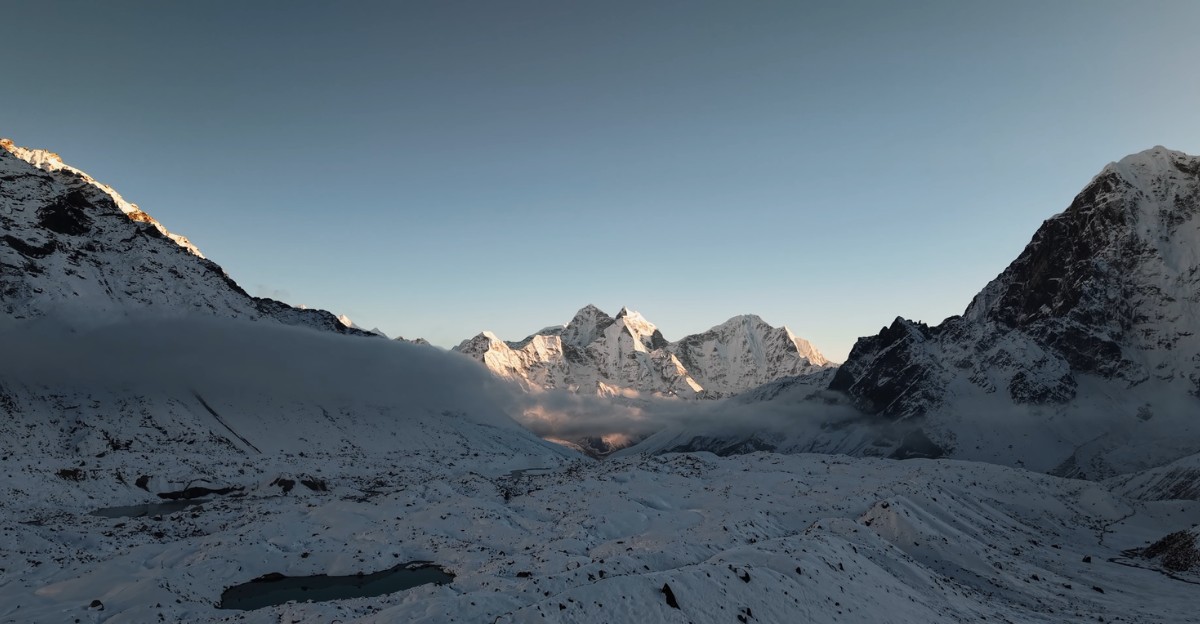
For November, pack a layering system (merino base layers, fleece, a down jacket rated to around minus 20°C, a waterproof shell), insulated gloves and liner gloves, a warm hat and buff, broken-in waterproof boots, and a sleeping bag with a comfort rating of minus 10 to minus 15°C. Keep your duffel at 10 to 12 kg for the Lukla flight.
November Packing Checklist
|
Item |
Why you need it |
November-specific recommendation |
|
2 merino or synthetic base-layer tops |
Moves sweat off your skin |
One lightweight, one midweight |
|
1 pair thermal leggings |
Warmth at night and on high days |
Midweight; sleep in them above Dingboche |
|
1 fleece or synthetic mid layer |
Main warmth while walking |
200-weight fleece or light synthetic jacket |
|
Down jacket |
Evenings, mornings, Kala Patthar |
Hooded, rated to about minus 20°C; 650+ fill |
|
Waterproof shell jacket |
Wind and snow protection |
Breathable hardshell; wind matters more than rain in November |
|
2 pairs trekking pants |
Daily trekking |
One softshell pair for the high days |
|
Waterproof over-pants |
Wind and snow |
Lightweight, full side zips |
|
Liner gloves + insulated gloves |
Dexterity and warmth |
Add mittens for late November and Kala Patthar |
|
Warm beanie + sun hat |
Heat loss and sun |
Beanie that covers your ears |
|
Buff or neck gaiter |
Dust, cold air, Khumbu cough |
Bring two |
|
4 pairs trekking socks + 1 thick pair |
Blisters and warm feet |
Merino; keep the thick pair for sleeping |
|
Waterproof trekking boots |
Ankle support on rocky trails |
Broken in, half a size up for thick socks |
|
Camp shoes |
Lodge evenings |
Insulated booties or lightweight trainers |
|
Sleeping bag |
Unheated rooms at minus 10°C or lower |
Comfort minus 10 to minus 15°C (see below) |
|
Sleeping bag liner |
Adds warmth and keeps the bag clean |
Fleece or thermal liner adds roughly 3 to 5°C |
|
Trekking poles |
Knees on the descent |
Collapsible, with snow baskets for late November |
|
Headlamp + spare batteries |
Kala Patthar, night toilet trips |
Lithium batteries handle cold better |
|
Water bottles (2 x 1 L) |
Hydration |
Wide-mouth bottles; insulated sleeve or a sock to slow freezing |
|
Water purification |
Safe drinking water |
Tablets, drops or a UV pen; filters can crack if frozen |
|
Power bank (10,000 to 20,000 mAh) |
Charging is costly and slow up high |
Sleep with it inside your bag |
|
Duffel bag (60 to 80 L) |
Your porter carries it |
Waterproof, lockable |
|
Daypack (25 to 35 L) |
What you carry each day |
Hip belt and rain cover |
|
Sunglasses |
Snow blindness above 4,000 m |
Category 3 or 4, wraparound |
|
Sunscreen + lip balm |
High UV at altitude |
SPF 50; SPF lip balm |
|
First-aid kit + personal medications |
Blisters, headaches, stomach issues |
Ask your doctor about altitude medication before you go |
|
Toiletries, wet wipes, hand sanitizer |
Hygiene where showers are cold or costly |
Biodegradable where possible |
|
Cash in Nepali rupees |
Lodges up high don't take cards |
See budget section |
What Sleeping Bag Rating Do You Need for EBC in November?
Get a bag with a comfort rating between minus 10°C and minus 15°C (14 to 5°F). Teahouse rooms above Lobuche aren't heated, and by early morning the inside temperature at Gorak Shep usually sits between minus 8 and minus 12°C.
Go by the comfort rating, not the limit rating printed on the label. A bag sold as "minus 20°C" is often only comfortable to about minus 12°C. If you run cold, or you're trekking after November 20, aim for minus 15°C comfort. Lodges also hand out thick blankets on request, which adds a few degrees on top.
What Should You Wear on the EBC Trek in November?
Dress in layers you can change quickly. A normal November day for most of our trekkers looks like this:
-
Morning start (minus 5 to 0°C): base layer, fleece, shell, gloves, beanie
-
Mid-morning walking in sun: base layer only, sun hat, sunglasses
-
After 3 pm or above Lobuche: base layer, fleece, down jacket, beanie
-
Evening in the lodge: thermal leggings, down jacket, warm socks, camp booties
Leave cotton at home. A cotton T-shirt soaked in sweat at 4,900 m won't dry before nightfall.
Rent or Buy in Kathmandu?
Thamel has dozens of rental shops. A down jacket or sleeping bag rents for roughly USD 1 to 2 per day, and you'll pay a refundable deposit. Renting makes sense for big, bulky items you may never use again. Bring your own boots, socks and base layers. Rented boots cause more blisters than anything else we see on the trail.
Best Trekking Gear Brands for EBC in November
We don't have sponsorship deals with any of these brands. They're simply what we see working well on our November groups year after year.
-
Insulated jackets: The North Face, Patagonia, Rab and Mountain Hardwear all make reliable down jackets in the warmth range you need.
- Boots: Salomon, La Sportiva, Scarpa and Lowa. Mid-height waterproof models like the Lowa Renegade GTX or Salomon Quest GTX are popular for good reason.
- Sleeping bags: Sea to Summit, Rab, Western Mountaineering and The North Face. Check the comfort rating, not the brand name.
- Backpacks: Osprey, Deuter and Gregory make daypacks with proper hip belts.
- Accessories: Black Diamond and Petzl for headlamps and poles, Smartwool for base layers and socks, Darn Tough for socks that survive two weeks of daily use.
What matters more than the logo:
1. Fit. Boots that pinch on Day 3 will be agony by Day 9.
2. Warmth-to-weight. You and your porter carry every gram.
3. Waterproofing and windproofing. In November, wind matters more than rain.
4. Durability. Rocky moraine shreds cheap gaiters and thin pants.
5. Layering. Three thin layers beat one heavy jacket.
Altitude Sickness on the EBC Trek: Symptoms, Prevention and When to Descend
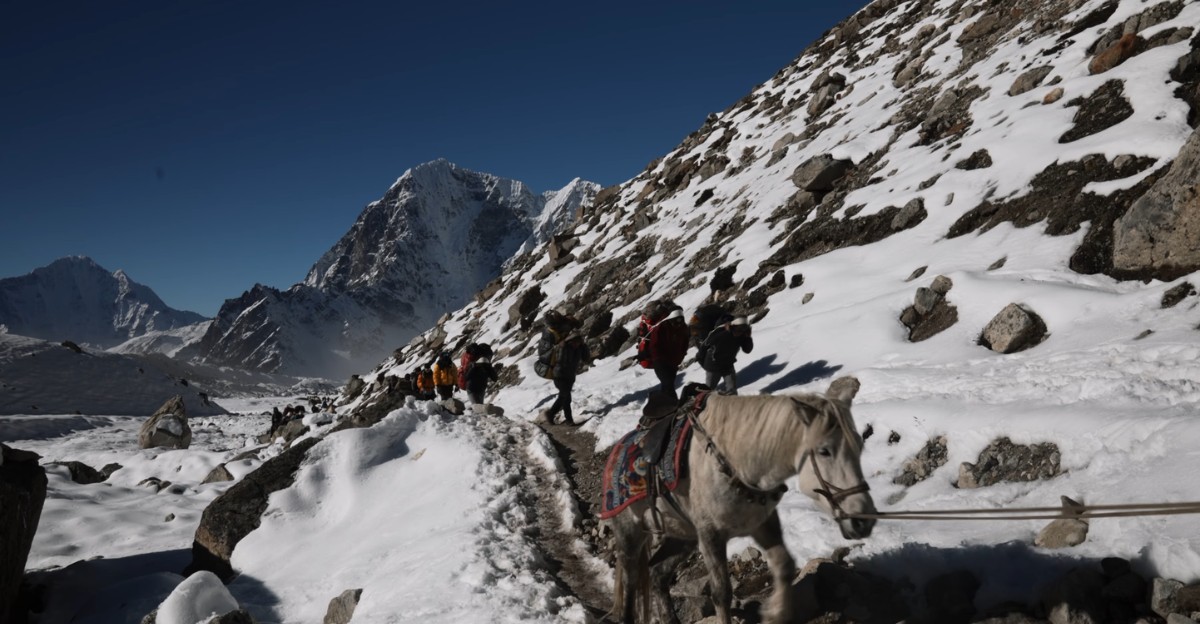
Acute Mountain Sickness (AMS) is common above 2,500 m and shows up as headache, nausea, poor sleep and fatigue. Prevent it by climbing slowly, taking acclimatization days, drinking plenty of fluids and avoiding alcohol. If symptoms get worse despite rest, descend. Breathlessness at rest or confusion means descend immediately.
AMS, HAPE and HACE Explained
|
Condition |
What it is |
Warning signs |
What to do |
|
AMS (Acute Mountain Sickness) |
The body struggling to adapt to lower oxygen |
Headache, nausea, loss of appetite, dizziness, poor sleep |
Rest, don't go higher, drink fluids; descend if it worsens |
|
HAPE (High Altitude Pulmonary Edema) |
Fluid in the lungs |
Breathless at rest, persistent cough, gurgling chest, extreme tiredness |
Descend at once; oxygen and medical help |
|
HACE (High Altitude Cerebral Edema) |
Swelling of the brain |
Confusion, loss of balance, severe headache, unusual behavior |
Descend at once, assisted; this is an emergency |
How We Ascend Safely
Above 3,000 m, the general guideline is to raise your sleeping altitude by no more than 300 to 500 m a day and take a rest day for every 1,000 m gained. The classic EBC route can't follow that to the letter, because villages sit where they sit. That's exactly why the two acclimatization days in Namche and Dingboche aren't optional on our trips.
On acclimatization days we "climb high, sleep low": a 3 to 4 hour hike up to a higher point, then back down to sleep.
Daily Prevention Habits
-
Drink 3 to 4 litres a day. Hot lemon, ginger tea and garlic soup all count.
-
Walk slower than feels necessary. If you can't hold a conversation, slow down.
-
No alcohol above Namche, and go easy on sleeping pills.
-
Eat even when you're not hungry. Dal bhat comes with free refills for a reason.
-
Tell your guide about every symptom, even a mild headache.
-
Ask your doctor before the trip about altitude medication such as acetazolamide.
Our guides check every trekker's oxygen saturation and pulse with a pulse oximeter each morning and evening, and ask about symptoms at every meal.
When to Descend
-
Headache that doesn't ease with rest, fluids and a mild painkiller
-
Vomiting, or being unable to eat
-
Breathless while resting
-
Stumbling, confusion or unusual drowsiness (try the heel-to-toe walking test)
Descending even 300 to 500 m often brings fast relief. Never leave someone with symptoms alone, and never let a summit day override a guide's call to turn back.
Medical Help on the Trail
The Himalayan Rescue Association runs a seasonal aid post at Pheriche (4,371 m) during the autumn season, staffed by volunteer doctors. There's also a hospital at Khunde, near Namche. For serious cases, helicopter evacuation from Pheriche, Lobuche or Gorak Shep is possible in clear weather.
Why Your Insurance Must Cover High Altitude
Many standard travel policies stop at 3,000 m or 4,000 m. For EBC you need cover up to at least 6,000 m, with helicopter evacuation and medical treatment written into the policy wording. A helicopter evacuation from Gorak Shep can cost several thousand US dollars. Check that the policy also covers trip delays and cancellations. Evacuation memberships such as Global Rescue are useful extras, but they don't replace medical insurance.
Everest Base Camp Trek Permits and Costs in November
What Permits Do You Need for EBC?
You need two permits: the Sagarmatha National Park entry permit and the Khumbu Pasang Lhamu Rural Municipality permit. Foreign trekkers pay about NPR 6,390 in total (roughly USD 47). The TIMS card isn't required in the Khumbu region.
|
Permit |
Cost (non-SAARC foreigners) |
Where to get it |
|
Sagarmatha National Park entry |
NPR 3,000 + 13% VAT (NPR 3,390) |
Nepal Tourism Board in Kathmandu or the park gate at Monjo |
|
Khumbu Pasang Lhamu Rural Municipality |
NPR 3,000 (NPR 2,000 for SAARC and Chinese nationals) |
Lukla, just after you land |
|
TIMS card |
Not required in Khumbu |
- |
The municipality raised its fee from NPR 2,000 to NPR 3,000 for most foreigners in July 2024, which is why older blogs still show the lower number. Children under 10 are exempt. Carry your passport and cash in rupees for both checkpoints.
Do you need a guide? Nepal's 2023 rule requiring licensed guides for foreign trekkers isn't enforced in the Khumbu, because the local municipality runs its own permit system. You can legally trek to EBC without a guide. In November, though, a guide who reads altitude symptoms and handles flight rebooking is worth far more than the cost.
How Much Does the EBC Trek Cost in November?
A guided Everest Base Camp trek in November typically costs USD 1,100 to 2,000 per person for budget to standard packages, USD 3,000 to 5,000 for luxury, and USD 2,300 to 3,800 with a helicopter return. Budget an extra USD 300 to 600 for tips, snacks, charging, Wi-Fi and gear rental.
November is peak season, so lodge prices and helicopter seats sit at the higher end of the year.
What Packages Usually Include
- Airport transfers in Kathmandu
- Kathmandu hotel nights (check how many)
- Kathmandu to Manthali transfer and Lukla flights both ways
- Both trekking permits
- Licensed English-speaking guide and porter (one porter per two trekkers is common)
- Teahouse accommodation on the trail
- Three meals a day on the trek (check whether hot drinks are included)
- Guide and porter wages, insurance, food and lodging
What's Usually Excluded
- International flights and Nepal visa
- Travel insurance
- Lunch and dinner in Kathmandu
- Extra baggage fees on Lukla flights
- Tips for guide and porter
- Personal gear and rental
- Bottled drinks, hot showers, charging and Wi-Fi on the trail
Extra Costs on the Trail in November
|
Item |
Typical cost |
Our tip |
|
Phone/camera charging |
NPR 300 to 800 per device per charge, higher above Dingboche |
Bring a power bank and solar panel if you shoot a lot |
|
Hot shower |
NPR 500 to 1,000 |
Worth it in Namche; skip above Dingboche |
|
Wi-Fi (Everest Link card) |
About NPR 2,000 to 3,000 for a data bundle |
One card often covers the whole trek |
|
Boiled water per litre |
NPR 200 to 500, rising with altitude |
Purify tap water instead to save money and plastic |
|
Snacks (chocolate bars, crisps) |
NPR 300 to 600 each |
Bring energy bars from Kathmandu |
|
Gear rental in Thamel |
USD 1 to 2 per item per day |
Rent the down jacket and sleeping bag; buy socks |
|
Tips |
Roughly USD 15 to 20 per day for guides and USD 10 to 15 per day for porters, pooled across the group |
Hand tips over at the farewell dinner |
|
Travel insurance |
Roughly USD 150 to 350 for 3 to 4 weeks |
Confirm the 6,000 m altitude limit in writing |
Plan to carry around NPR 25,000 to 40,000 in cash per person for the trek. There are ATMs in Lukla and Namche, but they run out of cash and charge high fees.
Which EBC Trek Package Should You Choose in November?
|
Package type |
Typical duration |
Approximate cost (per person) |
Best for |
Key inclusions |
|
Budget group trek |
12 to 14 days |
USD 1,100 to 1,450 |
Solo travellers and tight budgets |
Shared guide, basic teahouses, flights, permits |
|
Standard guided trek with porter |
14 to 15 days |
USD 1,450 to 2,000 |
Most first-timers |
Private or small-group guide, porter, rooms with attached bathrooms where available |
|
Luxury EBC trek |
14 to 16 days |
USD 3,000 to 5,000 |
Comfort-focused trekkers and couples |
Best lodges, private guide, upgraded Kathmandu hotel, often heli options |
|
EBC heli trek return |
10 to 12 days |
USD 2,300 to 3,800 |
Limited leave, knee issues, once-in-a-lifetime views |
Full trek up, helicopter from Gorak Shep or Kala Patthar back to Kathmandu |
About luxury in the Khumbu: luxury lodges (such as Yeti Mountain Home and Everest Summit Lodges) run up to the Tengboche and Debuche area. Above that, everyone sleeps in the best available teahouses. A good luxury operator will be honest about that.
How to Choose a Reputable EBC Operator
Before you pay a deposit, ask these questions:
1. Are you registered with the Nepal Tourism Board and a member of TAAN? Ask for the registration number.
2. Are your guides government-licensed, and how many EBC trips have they led?
3. How many acclimatization days are in the itinerary? Fewer than two is a red flag.
4. Do guides carry a pulse oximeter and first-aid kit? What's the evacuation plan?
5. Are porters insured, properly equipped and limited to sensible loads?
6. Is the price itemized? Hidden extras show up as "local payments" on the trail.
7. What happens if the Lukla flight is cancelled? Get it in writing.
8. What do recent reviews say? Look for named guides and specific details, not just stars.
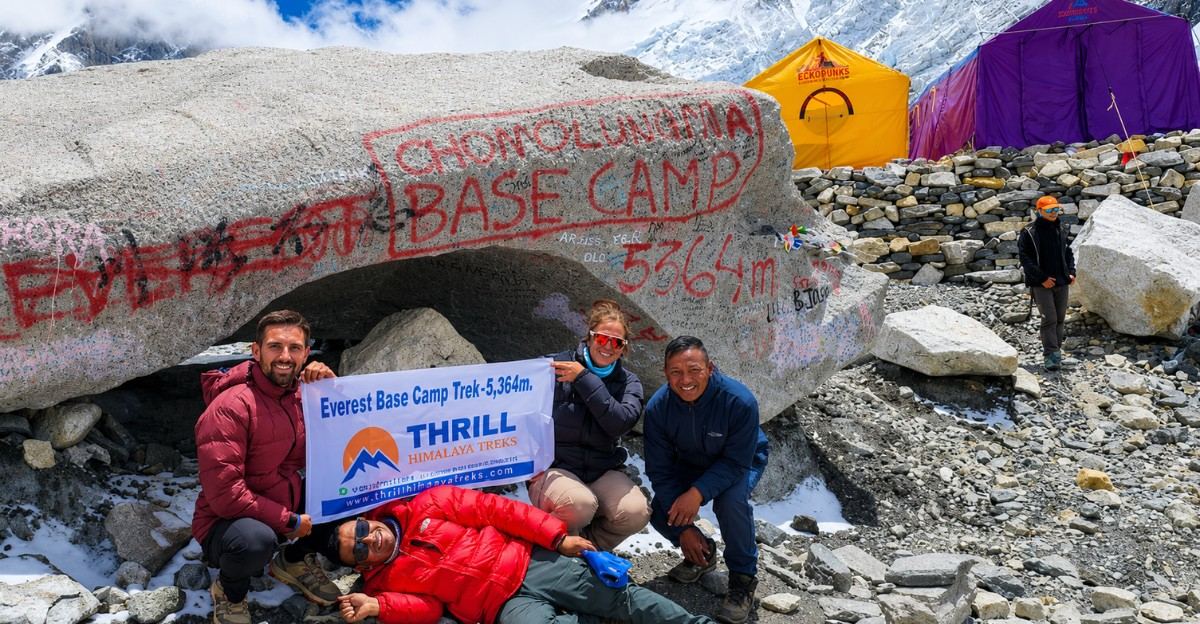
Why Trek EBC with Thrill Himalaya in November
-
Local and owner-led. I've guided in these mountains for 14 years and still plan and lead treks in the Everest region myself.
-
Registered and accountable. Nepal Tourism Board registration 3303/81/82 and TAAN member.
- Reviewed by real trekkers. TripAdvisor Travelers' Choice 2026, 5.0 rating, in the top 3% of outdoor activities in Kathmandu.
- Built for November. Manthali overnight, two acclimatization days, one buffer day and twice-daily oxygen checks come standard.
- Clear pricing. You'll know exactly what's included before you book.
Ready to plan? Check November 2026 and 2027 dates and get your personalised quote within 24 hours.