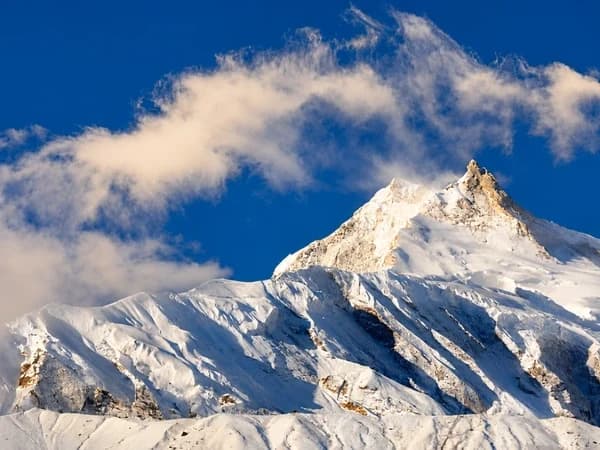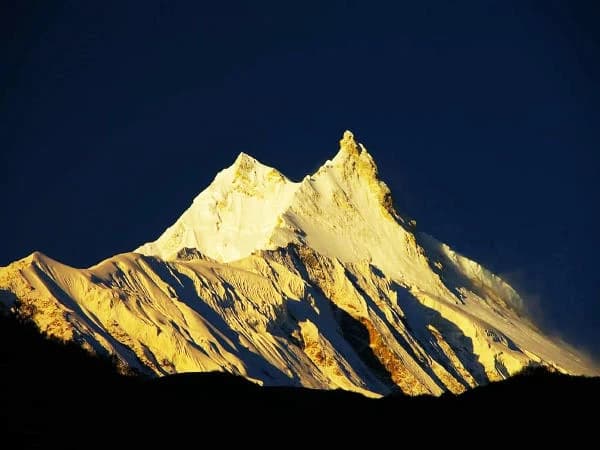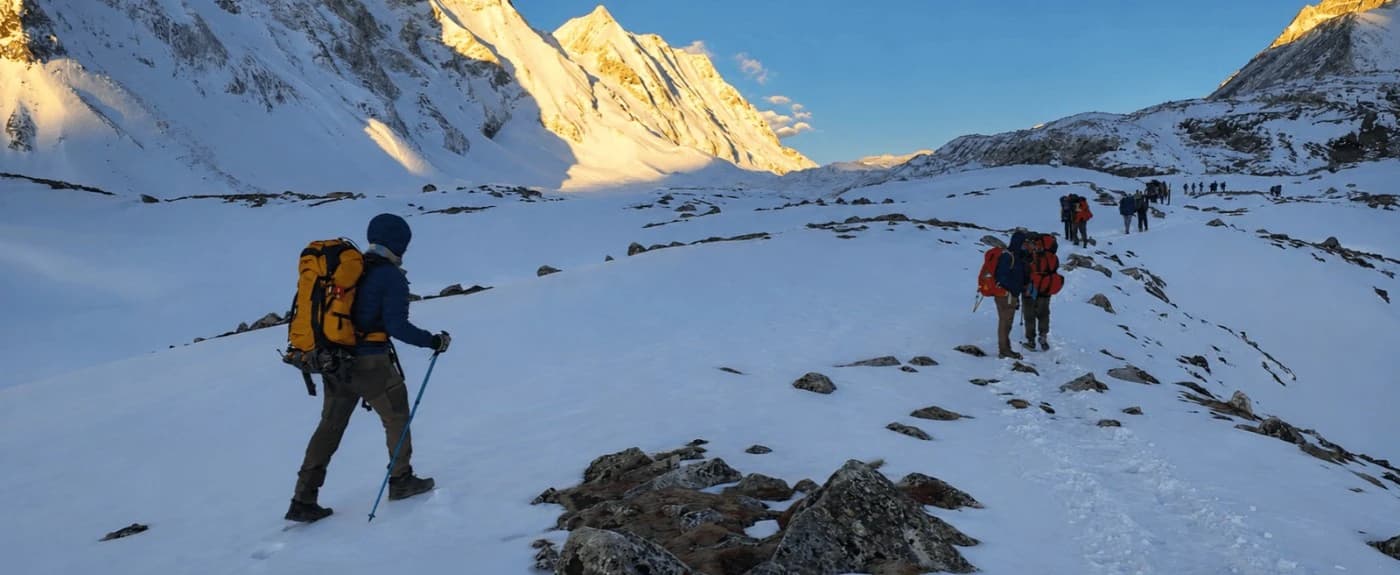
For most trekkers, the best time to trek in Nepal is mid-October to December. The monsoon has washed the air clean, the trails have dried out, and the big peaks stand sharp against blue sky on most mornings. Nepal has several good trekking seasons, but no other stretch of the year gives you this mix of clear views, stable weather and route choice.
It isn’t perfect, and we won’t pretend it is. October and early November are peak season, so Lukla flights and the best teahouses fill up fast. December is quiet and beautiful, but nights above 4,000 m drop well below freezing and some high passes can close after snowfall.
This guide breaks down Nepal trekking seasons from mid-October to December, month by month. You’ll see which treks suit each part of the window, what the weather really feels like at altitude, which permits you need, and how to book without paying peak-season prices for a bad itinerary.
We’re Thrill Himalaya Treks, a locally owned agency based in Thamel, Kathmandu. For official destination and tourism information, see the Nepal Tourism Board. We’re registered with the Nepal Tourism Board (Reg. 3303/81/82) and are members of TAAN. I’ve spent 14 years guiding in the Everest, Annapurna, Manaslu and Tsum Valley regions, and everything below comes from those trails, checked against the permit rules for the 2026 season.
.webp)
Key Takeaways
- Best overall: mid-October to mid-November. Clearest views, most stable weather, busiest trails.
- Best balance: the second half of November. Still clear and dry, noticeably fewer trekkers, colder nights.
- Quietest: December. Excellent for Poon Hill, Langtang and Annapurna Base Camp, and possible for Everest Base Camp if you’re ready for nights of -15°C or colder at the top.
- Riskiest in December: high-pass treks like the Annapurna Circuit (Thorong La) and Manaslu Circuit (Larkya La). Snow can close them for days.
- Book early for October: three to six months ahead. December dates often work with a few weeks’ notice.
- Nothing is guaranteed: build one or two spare days into any Everest or high-pass itinerary.
Spring vs Autumn/Winter: How Do Nepal’s Main Trekking Seasons Compare?
While Spring (March–May) is famous for blooming rhododendrons and warmer days, Mid-October to December wins for absolute clarity and mountain views.
To help you decide which season fits your travel style, here is a quick breakdown of how Nepal's two premier trekking windows stack up against each other:
|
Feature |
Spring (March – May) |
Autumn & Early Winter (Mid-Oct – Dec) |
|
Mountain Visibility |
Good in the mornings, but afternoon haze and clouds build up frequently. |
Exceptional. Post-monsoon air is washed clean, offering crisp, wide-angle mountain views. |
|
Scenery & Flora |
Stunning lower trails filled with blooming rhododendrons and wildflowers. |
Golden landscapes, dry trails, and dramatic snow-capped peaks against deep blue skies. |
|
Weather & Temperature |
Days are warm; nights are mild to cool as spring progresses. |
Days are pleasant and sunny, but nights drop significantly colder (especially in Dec). |
|
Trail Conditions |
Mostly dry and stable, though afternoon spring storms can occur higher up. |
Very dry and stable trails; high mountain passes (like Thorong La) can face snow in late Dec. |
|
Best For |
Trekkers who love wildflowers, warmer evenings, and vibrant nature. |
Photographers, view-seekers, and anyone prioritizing crystal-clear mountain panoramas. |
Why Is Mid-October to December the Best of Nepal’s Trekking Seasons?
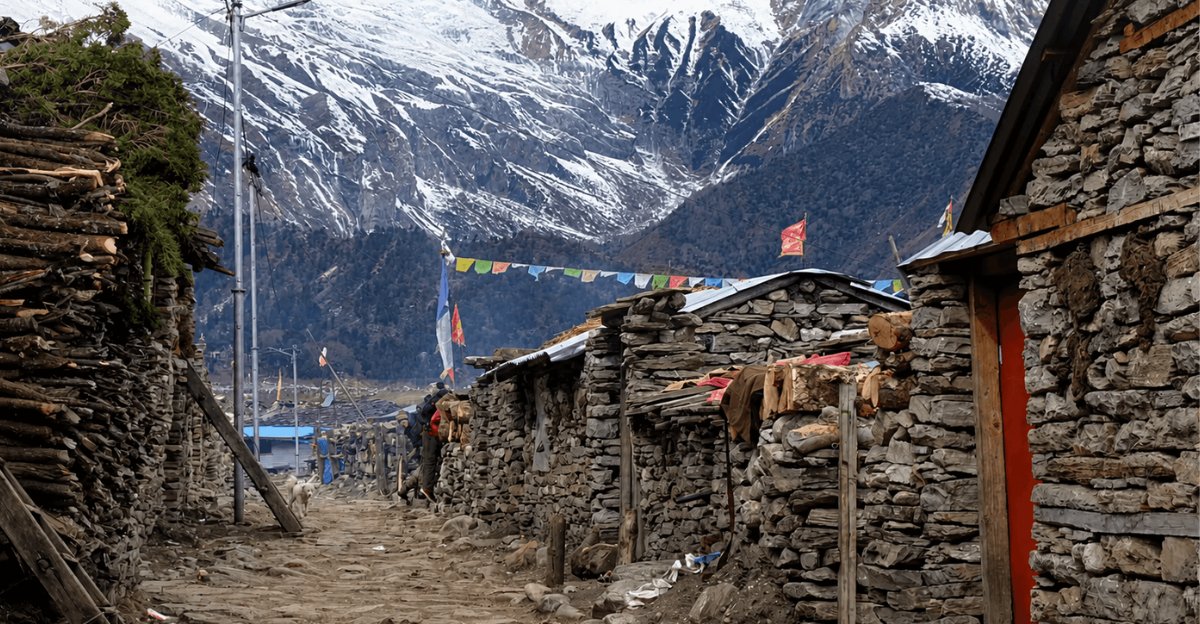
It’s the driest, clearest and most stable period of the trekking year. The summer monsoon usually ends in late September or early October. Behind it comes a long spell of high pressure that brings dry days, low humidity and very little cloud in the mornings.
Three things make this window special:
- The air is clean. Months of rain wash out the dust and haze that build up in spring. On a clear November morning you can see 100 km or more of the Himalaya from a viewpoint like Poon Hill or Kala Patthar.
- The trails are dry. Mud, landslides and leeches fade out by mid-October on most routes. River crossings drop and bridges reopen after monsoon repairs.
- The weather settles. Day after day follows the same pattern: clear sunrise, a few clouds building after midday, and calm, starry nights.
This is when the famous views look their best. Everest, Lhotse and Ama Dablam from Kala Patthar. The full Annapurna amphitheatre and Machapuchare (Fishtail) from Annapurna Base Camp. Dhaulagiri and Annapurna South from Poon Hill. Langtang Lirung above Kyanjin Gompa. Manaslu towering over Samagaon.
Why mid-October and not early October?
Early October can still catch the tail of the monsoon. In some recent years, late storms have dumped heavy rain in the hills and snow up high during the first week or two of October. Starting from mid-October lowers that risk and gives you drier trails. If your only dates are early October, they still work well, but choose a route with an easy escape, and keep a spare day.
The season also overlaps with Nepal’s biggest festivals, Dashain and Tihar, and often with Mani Rimdu at Tengboche Monastery. That’s a bonus for culture, but it also means Kathmandu hotels and domestic transport get busy around festival dates.
Nepal Trekking Seasons Month by Month: Mid-October to December Compared
The short version: October gives you the best conditions, December gives you the most solitude, and November sits in the sweet spot between them.
|
Month |
Weather and Trail Conditions |
Crowds |
Best Routes |
Key Considerations |
|
Mid-October |
Peak clarity, stable post-monsoon weather, dry trails, mild days |
Very busy on Everest and Annapurna routes |
Everest Base Camp, Annapurna Circuit, Annapurna Base Camp, Langtang, Poon Hill, Manaslu, Upper Mustang |
Book flights and teahouses months ahead; Lukla flights often run from Ramechhap; festival dates push up demand |
|
November |
Excellent visibility, very little rain, cooler days and frosty nights up high |
Busy until mid-November, then clearly quieter |
All major routes; ideal for Manaslu and the Annapurna Circuit before passes get snowy |
The best balance of weather and space; pack warmer for the second half of the month |
|
Early December |
Clear and dry, short days, cold nights; light snow possible above 4,500 m |
Quiet |
Poon Hill, Langtang, Annapurna Base Camp, Everest Base Camp for prepared trekkers |
Nights at high camps can fall to -15°C; some upper teahouses start closing on less popular routes |
|
Mid to late December |
Mostly clear and stable, but cold; higher chance of snow on passes |
Very quiet |
Poon Hill, Langtang, Annapurna Base Camp, lower Everest treks |
High passes (Thorong La, Larkya La) can close for days; Upper Mustang lodges begin closing for winter; best for experienced or lower-altitude trekkers |
A real-world example: If you’re a first-time trekker who wants big mountain views without extreme altitude, Ghorepani Poon Hill in late November is hard to beat. You get the same clear skies as October with half the people on the viewpoint at sunrise.
Which Nepal Treks Are Best from Mid-October to December?
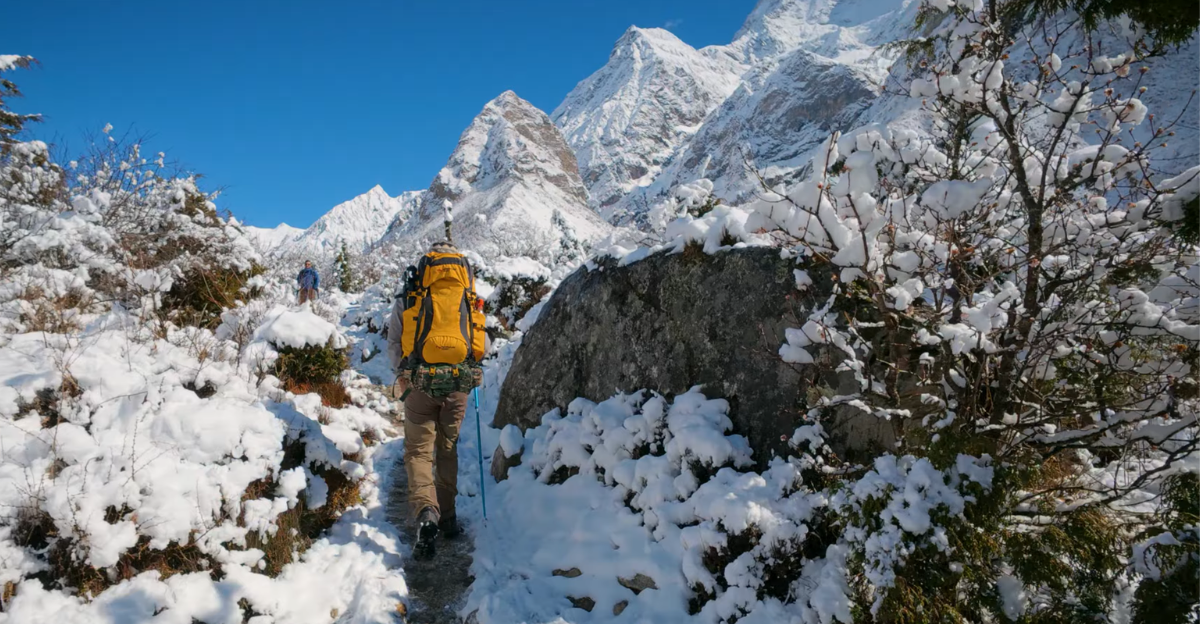
Every major route works in October and November. December is where your choice matters, because altitude and high passes decide whether the trek stays comfortable or turns into a fight with the cold.
|
Trek |
Highest point |
Typical days |
Difficulty |
Best timing in this window |
Good for beginners? |
|
Ghorepani Poon Hill |
3,210 m |
4 to 6 |
Easy to moderate |
Any time; superb in December |
Yes |
|
Langtang Valley |
4,773 m (Kyanjin Ri) |
7 to 10 |
Moderate |
Mid-October to late December |
Yes, with decent fitness |
|
Annapurna Base Camp |
4,130 m |
7 to 11 |
Moderate |
Mid-October to December |
Yes, with decent fitness |
|
Everest Base Camp |
5,364 m (Kala Patthar about 5,550 m) |
12 to 14 |
Moderate to strenuous |
Mid-October to early December |
Yes, if fit and well acclimatised |
|
Annapurna Circuit |
5,416 m (Thorong La) |
12 to 16 |
Strenuous |
Mid-October to late November |
Better with some trekking experience |
|
Manaslu Circuit |
5,106 m (Larkya La) |
13 to 16 |
Strenuous |
Mid-October to mid-November |
No; best for experienced trekkers |
|
Upper Mustang |
about 4,200 m |
10 to 14 |
Moderate |
Mid-October to mid-November |
Yes, with decent fitness |
Everest Base Camp Trek
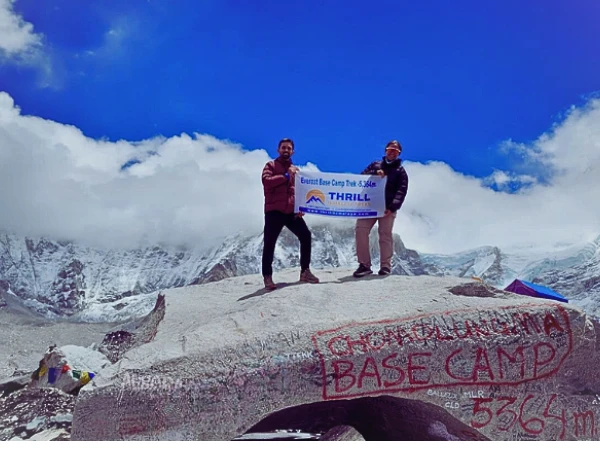
October and November are the classic Everest Base Camp best time, with crisp views of Everest, Lhotse and Ama Dablam almost every morning. Expect full teahouses in Namche, Dingboche and Lobuche in October. Late November and early December give you the same views with far fewer people, but Gorak Shep nights get bitterly cold. The main risk isn’t the trail; it’s the Lukla flight, which weather can delay by a day or more.
Annapurna Circuit Trek
The Annapurna Circuit best time is mid-October to late November, when Thorong La (5,416 m) is usually snow-free and safe to cross. From December, a single storm can leave deep snow on the pass and close it for several days. If you plan a December circuit, add two spare days and accept that you may need to turn back.
Annapurna Base Camp Trek
Annapurna Base Camp works through the whole window and stays one of the best value treks in Nepal. December is quiet and stunning, but after heavy snowfall the section between Deurali and Machapuchare Base Camp carries avalanche risk. Your guide should check conditions locally before you go up.
Langtang Valley Trek
Langtang is the easiest big-mountain trek to reach from Kathmandu, with no flight needed. It’s excellent in November and December, with yak pastures, Tamang villages and quiet lodges in Kyanjin Gompa. Nights at 3,870 m are cold in December, but very manageable with the right sleeping bag.
Ghorepani Poon Hill Trek
This is the safest choice in December and the best short trek for families and beginners. You stay below 3,300 m, sleep in comfortable lodges and get a sunrise panorama of Dhaulagiri and the Annapurnas.
Manaslu Circuit Trek
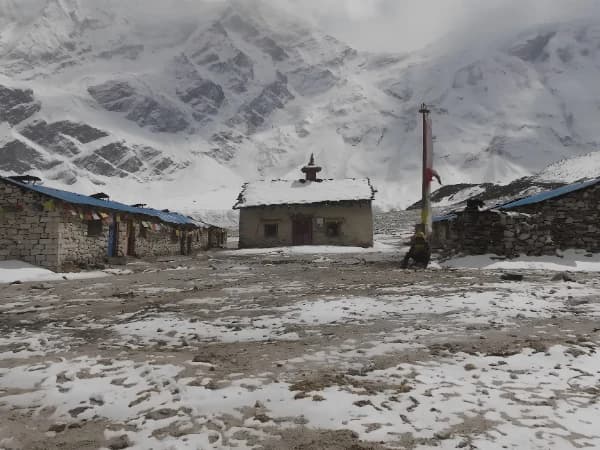
Manaslu is quieter and wilder than the Annapurna Circuit, and best from mid-October to mid-November. After that, Larkya La snow and closing lodges at Dharamsala (Larkya Phedi) make it a serious undertaking. It requires a restricted area permit, a licensed guide and at least two trekkers.
Upper Mustang Trek
Upper Mustang sits in the rain shadow behind the Annapurnas, so it stays dry and clear. Aim for mid-October to mid-November. By December, cold winds pick up and many families in Lo Manthang move to lower villages for winter, so some lodges close.
What Is Nepal Trekking Weather Like from October to December?
It’s sunny and dry by day, and cold at night, with temperatures dropping roughly 6°C for every 1,000 m you climb. The same December morning can feel like spring in Kathmandu and deep winter at Gorak Shep.
|
Altitude band |
Example stops |
October (day / night) |
November (day / night) |
December (day / night) |
|
About 1,400 m |
Kathmandu, Pokhara (800 m) |
25°C / 14°C |
22°C / 8°C |
19°C / 3°C |
|
2,000 to 3,000 m |
Lukla, Ghorepani, Chhomrong |
16°C / 5°C |
13°C / 1°C |
10°C / -3°C |
|
3,400 to 4,400 m |
Namche, Dingboche, ABC, Kyanjin Gompa |
12°C / -2°C |
8°C / -6°C |
5°C / -10°C |
|
Above 4,900 m |
Lobuche, Gorak Shep, Thorong La |
6°C / -8°C |
3°C / -12°C |
0°C / -18°C |
Figures are approximate averages from our trekking experience. Wind chill on passes and ridges can make it feel 10°C colder.
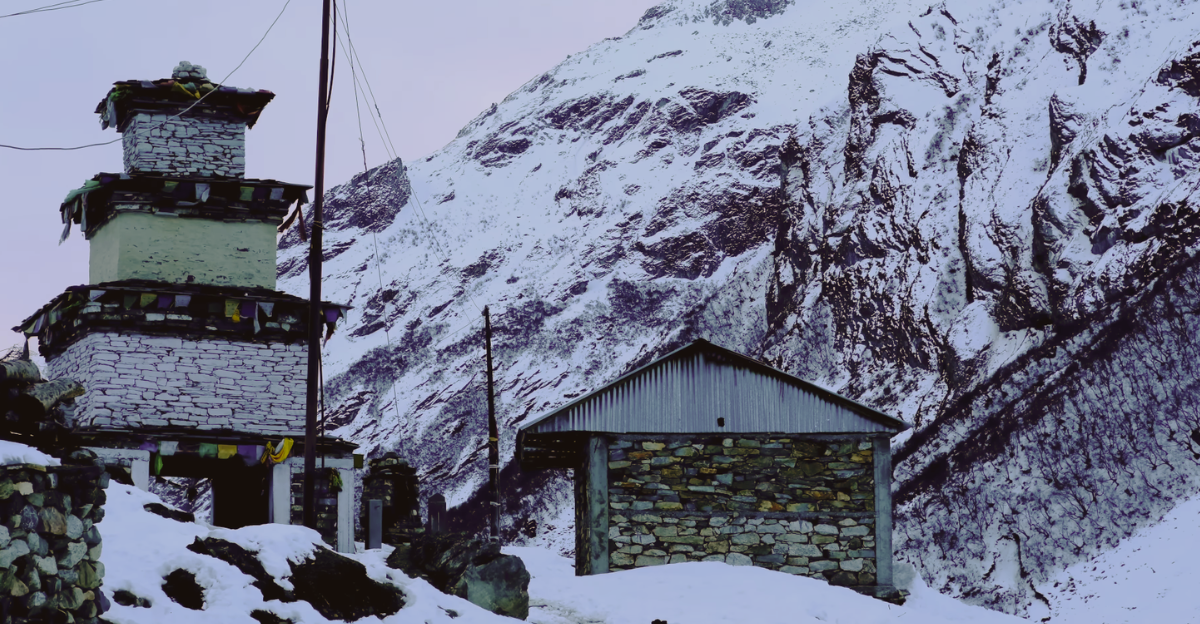
What this means on the trail:
- Mornings are your friend. Skies are clearest from sunrise to late morning. Cloud often builds after midday, so we start early on view days and pass crossings.
- Frost and ice are normal. Expect frozen water bottles and icy steps in shaded sections from November, especially above 4,000 m.
- Snow is possible, not constant. Light snow can fall at any time above 4,500 m, and December storms can bring enough to close passes.
- Wind matters more than temperature. A calm -10°C night feels fine in a good sleeping bag. A windy -5°C afternoon on Thorong La feels brutal.
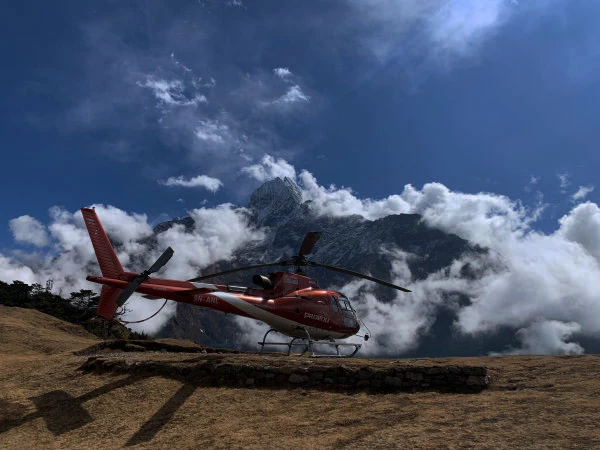
- Flights get delayed. Lukla, Jomsom and other mountain airstrips fly only in good visibility. In December, morning fog can also hold flights in Kathmandu and Ramechhap. One spare day is the minimum; two is safer for Everest.
Crowds, Permits and Booking: How to Plan Your Nepal Trek
If you want October or early November, book early. If you want quiet trails and easy availability, aim for late November or December.
For route-specific planning, you may also find our Manaslu Circuit Trek complete guide, Manaslu Circuit Trek duration guide, and Manaslu Circuit Trek route, highlights and tips useful.
When should you book?
- October to mid-November: book three to six months ahead. Lukla flights, the better teahouses in the Everest region and good guides sell out first. In peak months, most Lukla flights leave from Ramechhap (Manthali), a four to five hour drive from Kathmandu, so plan for a very early start.
- Late November and December: three to six weeks’ notice is often enough. You’ll get easier flight changes, better room choice and lodges that feel like your own.
What permits do you need?
|
Trek |
Permits required |
Approximate cost (foreign nationals) |
|
Everest Base Camp |
Sagarmatha National Park permit + Khumbu Pasang Lhamu Rural Municipality permit (paid in Lukla) |
About USD 45 to 55 in total |
|
Annapurna Circuit, ABC, Poon Hill |
Annapurna Conservation Area Permit (ACAP) + TIMS card |
ACAP NPR 3,000, plus TIMS |
|
Langtang Valley |
Langtang National Park permit + TIMS card |
Park NPR 3,000, plus TIMS |
|
Manaslu Circuit |
Manaslu Restricted Area Permit + Manaslu (MCAP) and Annapurna (ACAP) conservation permits |
RAP about USD 100 for the first week in autumn, lower from December, plus NPR 3,000 for each conservation permit |
|
Upper Mustang |
Upper Mustang Restricted Area Permit + ACAP |
USD 500 for the first 10 days, plus ACAP |
Nepal revises permit fees from time to time, often at the start of its fiscal year in mid-July, so we confirm the exact amounts in your quote. Restricted areas such as Manaslu and Upper Mustang need a licensed guide, a registered agency and at least two trekkers. Since April 2023, Nepal also requires a licensed guide on most other national park and conservation area treks; the Everest region’s local municipality runs its own permit system and hasn’t enforced that rule.
Your booking checklist
- ☐ International flights into Kathmandu, with a buffer day at the end
- ☐ Kathmandu hotel (book early around Dashain and Tihar dates)
- ☐ Domestic flights or road transfer to the trailhead
- ☐ Trekking permits (we arrange these for you). You can also review our Manaslu Circuit Trek permits guide for a practical overview of permit requirements.
- ☐ Travel insurance that covers trekking and helicopter evacuation up to at least 6,000 m
- ☐ Licensed guide and, if you want, a porter
- ☐ Gear rated for the coldest night on your route
- ☐ One or two contingency days for weather and flights
What Should You Pack for Trekking in Nepal from October to December?
Pack in layers, and size your warm gear for the coldest night on your route, not the average day. A Poon Hill trek in October needs far less than Everest Base Camp in December.
Clothing layers
- Two or three moisture-wicking base layers (merino or synthetic, never cotton)
- A fleece or light insulated mid-layer
- A warm down jacket for evenings and summit mornings (essential from November above 4,000 m)
- A waterproof, windproof shell jacket and trousers
- Trekking trousers, plus thermal leggings for cold nights
Footwear
- Broken-in, waterproof trekking boots with good ankle support
- Three or four pairs of warm wool socks, plus liners if you blister easily
- Gaiters and microspikes for December treks over passes, where snow and ice are likely
- Light camp shoes for the teahouse
Sleep and warmth
- A sleeping bag rated to about -10°C comfort for October and November high routes, and -15°C to -20°C for Everest or passes in December
- A thermal liner adds several degrees
- Insider tip: fill a metal bottle with hot water at night and keep it in your sleeping bag
Sun and weather protection
- Category 3 or 4 sunglasses (snow glare is strong even in December)
- High-SPF sunscreen and lip balm with SPF
- Liner gloves plus insulated gloves or mittens
- A warm hat and a sun hat or cap; a buff for wind and dust
Health and safety
- Water purification tablets or a filter (keep filters inside your sleeping bag at night so they don’t freeze)
- A basic first-aid kit with blister care, painkillers and rehydration salts
- Any altitude medication only if your doctor recommends it
- Hand sanitiser and a small roll of toilet paper
Electronics and documents
- A power bank (batteries drain fast in the cold; charging in teahouses costs extra)
- A headlamp with spare batteries
- Passport copies, permit copies and passport photos
- Your insurance policy number and emergency contact
You can rent good down jackets and sleeping bags cheaply in Thamel. Once you book, we send a route-specific gear list and tell you what’s worth renting and what’s worth bringing from home.
How Do You Stay Safe at Altitude, and Why Does a Local Guide Matter?
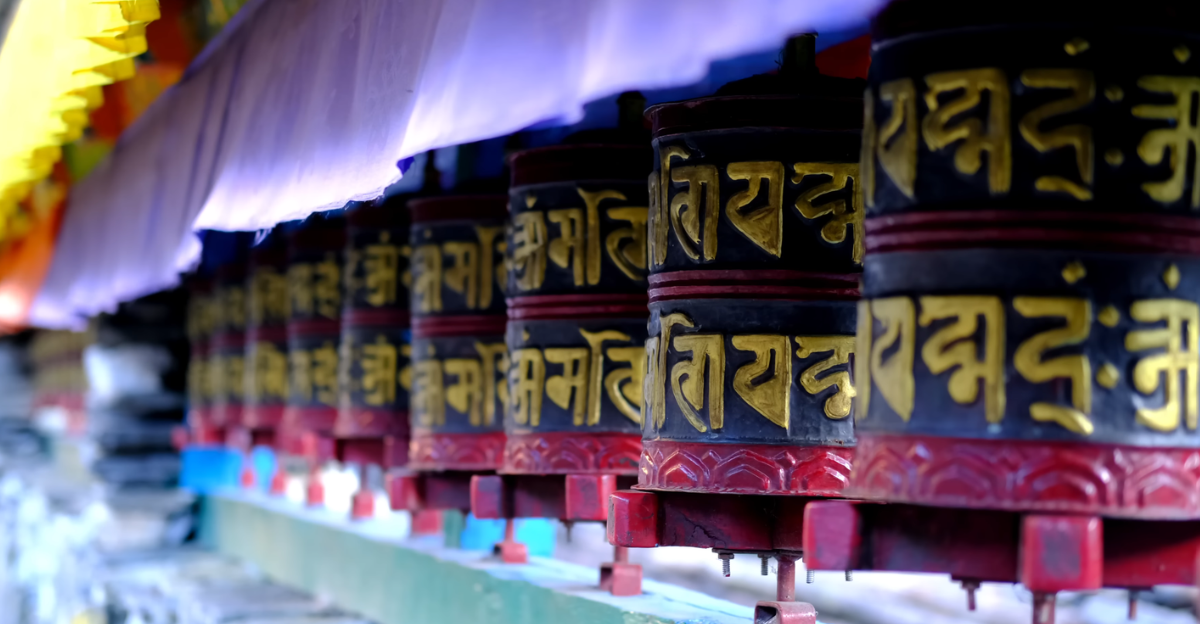
The biggest risk on most Nepal treks is going up too fast, not the weather. Acute mountain sickness (AMS) can affect anyone above about 2,500 m, regardless of fitness or age.
Know the warning signs:
- Headache, nausea or loss of appetite
- Dizziness, unusual tiredness or poor sleep
- Breathlessness at rest, a wet cough, confusion or loss of balance (these signal serious altitude illness: descend immediately)
Follow the acclimatisation basics:
- Above 3,000 m, don’t raise your sleeping altitude by more than 300 to 500 m a day.
- Take a rest day every three to four days, usually with a short hike higher and a return to sleep lower.
- Drink plenty of water, eat well and avoid alcohol at altitude.
- Never go higher with symptoms. If they get worse, go down.
Talk to your doctor before the trip about altitude medication and any health conditions. Check that your insurance covers trekking to your maximum altitude and helicopter rescue.
How we keep you safe
Our itineraries include acclimatisation days by default, because a rushed itinerary is the most common reason trekkers fail or get sick. On the trail, our guides:
- Check how you’re feeling every morning and evening [confirm: pulse oximeter checks and first-aid certification]
- Make the call on pass crossings and high days based on local weather, not the schedule
- Coordinate evacuation with your insurer if needed, using phone or satellite contact
- Adjust the plan if a flight is cancelled or a pass is closed
That flexibility is the real value of guided trekking in Nepal. In October, a good guide gets you the right room in a full village. In December, a good guide knows which lodges are still open and when to wait out a storm.
Who Should Trek in Nepal Between Mid-October and December?
Almost everyone, as long as you match the month to the route. Here’s how we usually advise different trekkers:
- First-time trekkers: go in mid-October or November and choose Poon Hill, Langtang or Annapurna Base Camp. You get settled weather and plenty of company on the trail without extreme altitude.
- Photographers and view seekers: late October to late November gives the sharpest light and cleanest air. Everest Base Camp with Kala Patthar, or Annapurna Base Camp, delivers the classic shots.
- Families and groups: Poon Hill and Langtang in November or early December. Short days, comfortable lodges, easy road access and quick exit options if anyone feels unwell.
- Solo travellers: October and November make it easy to meet other trekkers along the way. We pair you with a licensed guide, so you trek alone without being alone.
- Experienced trekkers seeking winter solitude: December on Everest Base Camp or Annapurna Base Camp is magical if you’re comfortable with real cold and flexible with your dates.
- Crowd-averse travellers: target the last ten days of November or the first half of December. That’s the quietest window that still feels reliable.
Why Book Your Nepal Trek with Thrill Himalaya Treks?
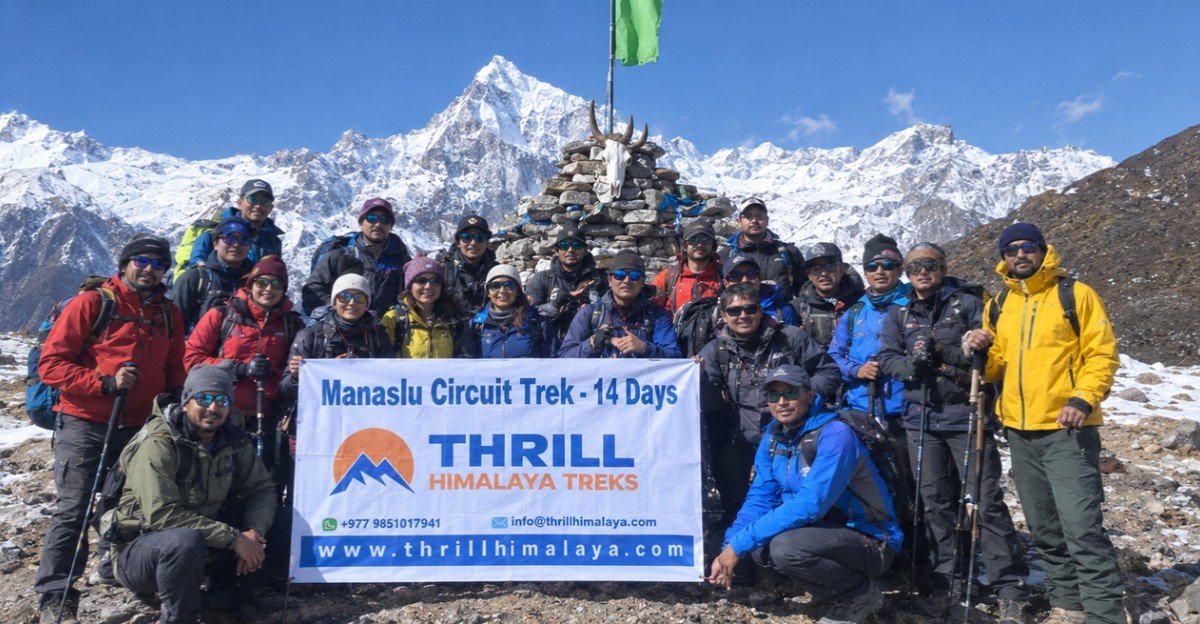
We’re a small, locally owned team that plans every trek as if we were walking it ourselves, because usually one of us is.
-
Local, licensed and accountable: registered with the Nepal Tourism Board (Reg. 3303/81/82) and a member of TAAN, with our office in Thamel.
- Proven on the trail: TripAdvisor Travelers’ Choice 2026, rated 5.0 and in the top 3% of Kathmandu outdoor activities. [Insert review stars widget and two short client quotes here]
- Itineraries built around you: we adjust days, routes and pace to your fitness, dates and goals, rather than selling a fixed package.
- Honest advice: if your dates don’t suit a route (say, the Manaslu Circuit in late December), we’ll tell you and suggest a better option.
- Everything handled: permits, flights, transfers, lodges, guides and porters, with clear pricing and no hidden extras.
- Responsible trekking: fair pay and insurance for our guides and porters, sensible load limits and support for the communities we stay in.
Planning a Nepal trek between mid-October and December? Talk to a trekking specialist on WhatsApp (+977 9851017941) or email [email protected]. Tell us your dates, fitness and the views you’re dreaming of, and we’ll send a personalised itinerary and quote within 24 hours.
What happens after you enquire: we reply with a route recommendation and a quote, refine it with you until it fits, then confirm your booking with a deposit. We arrange your permits and flights, and meet you at Kathmandu airport.
Frequently Asked Questions
Is mid-October to December really the best time to trek in Nepal?
For most trekkers, yes. It offers the clearest views, driest trails and most stable weather of the year. Spring (March to May) is the other excellent season, with warmer nights and rhododendrons in bloom but more haze. If views are your priority, autumn usually wins.
Is December too cold for trekking in Nepal?
Not for most treks. Days are often sunny and pleasant, and lower routes like Poon Hill stay comfortable. Above 4,000 m, nights drop to -10°C or lower, so you need a warm sleeping bag and down jacket. High passes are the main concern, as snow can close them.
Which Nepal trek is best for beginners in November or December?
Ghorepani Poon Hill is the best beginner trek in this period: four to six days, below 3,300 m, with huge views. Langtang Valley and Annapurna Base Camp are great next steps if you have decent fitness and a week or more.
Can I trek to Everest Base Camp in December?
Yes. December brings clear skies and quiet trails, but nights at Gorak Shep can drop to around -18°C, and some upper lodges run with limited services. Bring proper cold-weather gear and add a spare day for Lukla flights.
Do I need a guide for trekking in Nepal?
On most routes, yes. Since April 2023, foreign trekkers in most national parks and conservation areas need a licensed guide arranged through a registered agency. Restricted areas like Manaslu and Upper Mustang have always required one. The Everest region currently doesn’t enforce the rule, but a guide still adds real safety in winter.
How cold does it get during the Nepal trekking season?
It depends on altitude more than the month. In Kathmandu, December nights sit around 3°C. At 3,500 to 4,400 m, expect -2°C in October to -10°C in December. Above 4,900 m, nights range from about -8°C in October to -18°C or colder in December, before wind chill.
When should I book my Nepal trek for October or November?
Book three to six months ahead for October and early November, especially for Everest Base Camp, where Lukla flights and good lodges sell out. For late November and December, a few weeks’ notice usually works.
What permits do I need for popular Nepal treks?
Everest Base Camp needs the Sagarmatha National Park permit and the Khumbu Pasang Lhamu municipality permit. Annapurna treks need an ACAP permit and TIMS card. Langtang needs a national park permit and TIMS. Manaslu and Upper Mustang need restricted area permits through an agency. We arrange all of these for you.
Final Word on Nepal Trekking Seasons
Of all of Nepal’s trekking seasons, mid-October to December gives you the best chance of clear mountain views, dry trails and settled weather. The trick is matching the month to the route:
-
Mid-October to mid-November for high passes, Everest Base Camp and your best shot at perfect weather, if you don’t mind company.
- Late November for the best balance of clear skies and quieter trails.
- December for solitude on Poon Hill, Langtang, Annapurna Base Camp and, for prepared trekkers, Everest Base Camp.
No season comes with guaranteed weather or flights, so build in spare days and trek with people who know the mountains.