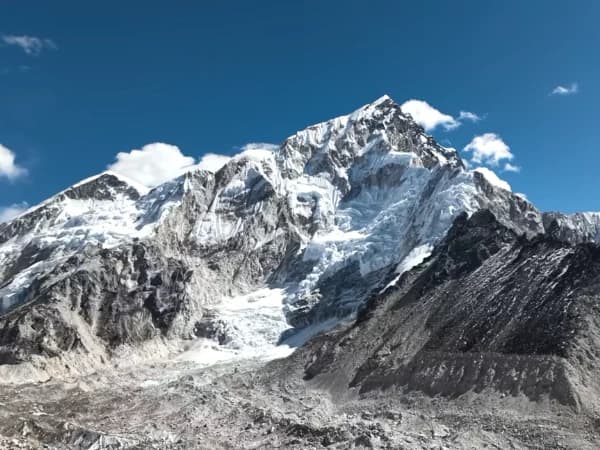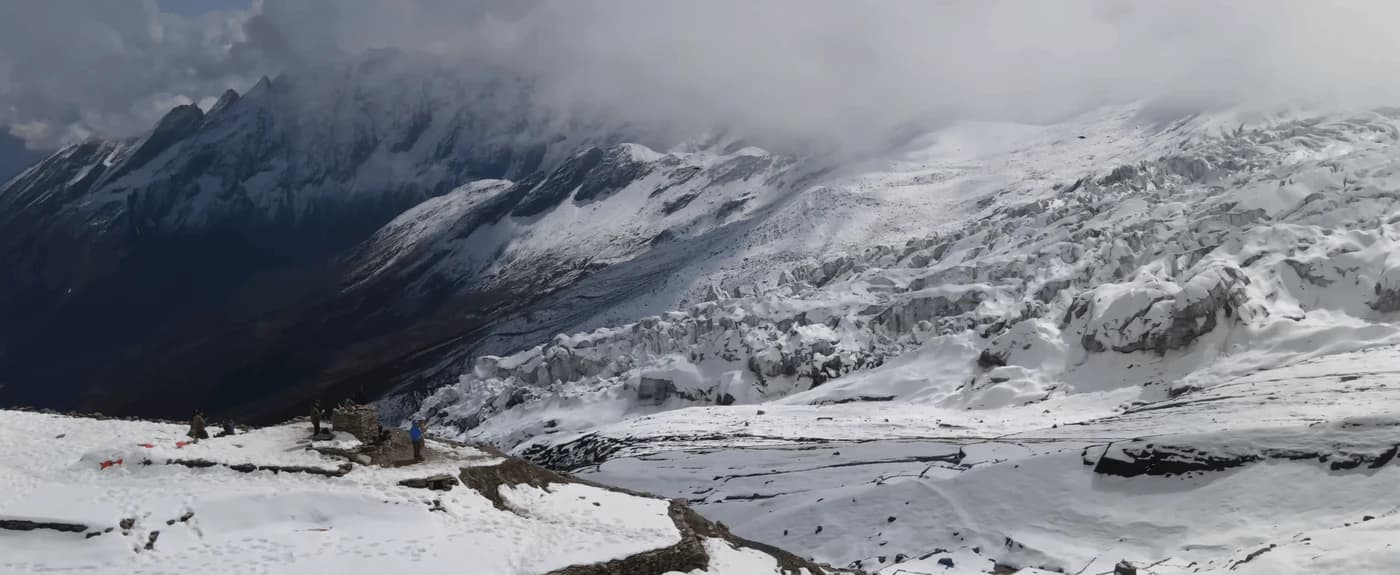
The Manaslu Circuit Trek is a 14-day teahouse trek in Nepal that circles Mt Manaslu (8,163 m), crossing Larkya La Pass at 5,106 m. It lies in a restricted area, so a licensed guide and registered Nepali agency are mandatory, though since March 22, 2026 solo trekkers can also get the permit. A full Manaslu Circuit trek package with a local operator costs USD 1,100 to 1,700. The best months are October, November, April and May.
Every autumn, trekkers land in Kathmandu with two names in their heads: Everest Base Camp and Annapurna. Almost nobody arrives asking about Manaslu. Then a few of them end up on this trail, and those are the ones who come back to our office afterwards saying it was the best two weeks of their lives.
I want to explain why, with the details you actually need rather than marketing lines. We have guided the Manaslu Circuit Trek Nepal for years in every season it is open, so treat this as the briefing you would get sitting down with one of our guides over tea in Thamel.
What Makes the Manaslu Circuit Trek Special?
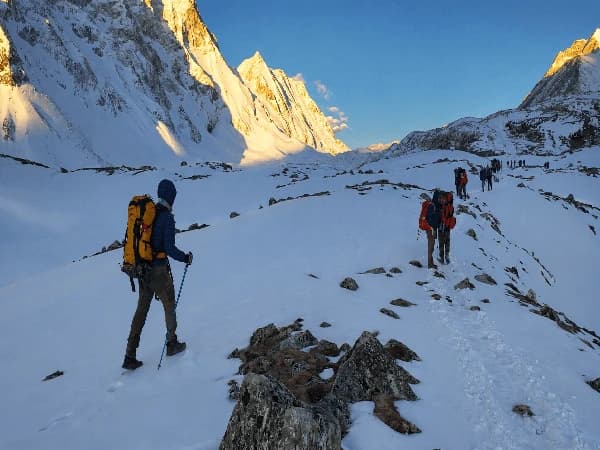
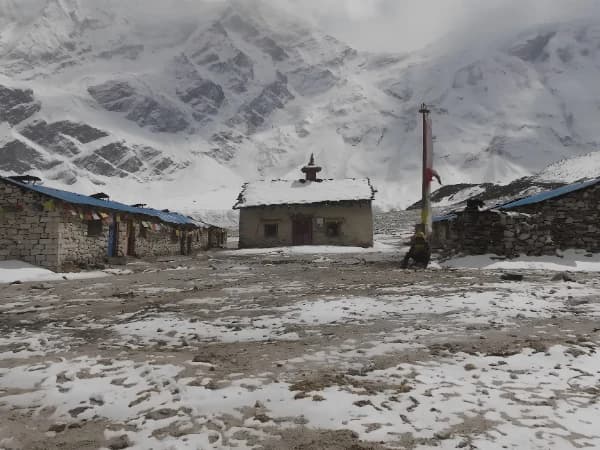
The trek circles Mt Manaslu, the eighth highest mountain on earth, following the Budhi Gandaki gorge from rice terraces below 900 m to a glaciated pass above 5,000 m. In two weeks you walk out of subtropical farmland and into Tibetan Buddhist villages like Lho, Sama Gaun and Samdo, where mani walls line the trail and yaks graze under 7,000 m peaks.
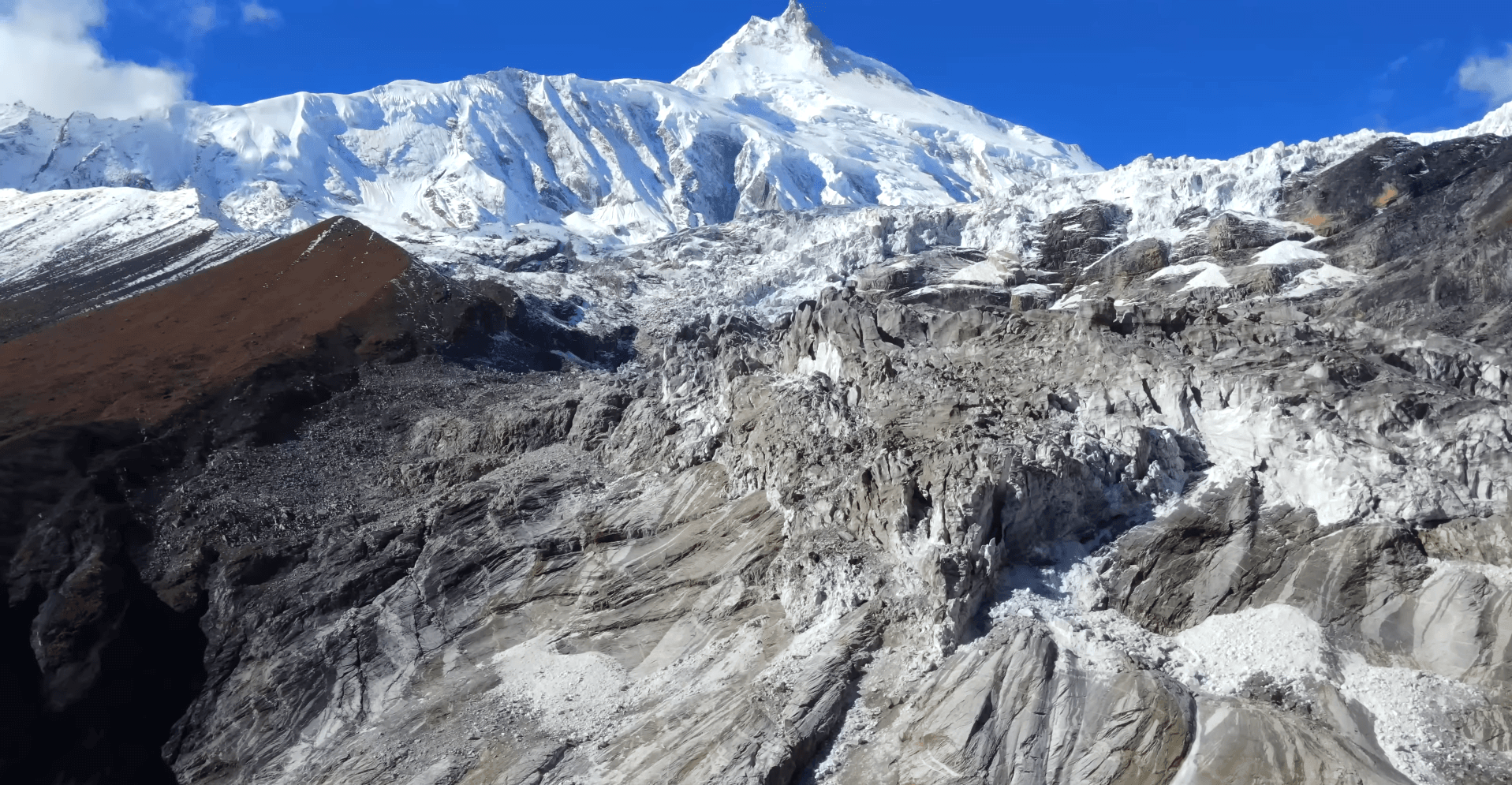
Here is why it stayed this way. The region has been restricted since 1991. Permits are controlled, the Tibetan border is close, and the government deliberately kept mass tourism out. The result is the great off-the-beaten-path alternative to the Annapurna Circuit: a trail that feels like Annapurna did thirty years ago. No road along the main route. Family-run teahouses. Whole afternoons where you meet more mule trains than trekkers.
It is not a comfortable trek, and I will not pretend otherwise. Rooms are basic, hot showers cost extra, and the Wi-Fi barely works. If that sounds like a fair price for empty trails and real village life, keep reading. If you want bakeries and busy lodges every night, Everest is your trek, and that is fine too.
Manaslu Circuit Trek Itinerary: How the 14 Days Unfold
Our standard Manaslu Circuit trek 14 days itinerary starts with a long jeep ride from Kathmandu to Machha Khola, eight to nine bumpy hours that everyone complains about and everyone forgets by day three. Then the walking begins.
The first days climb steadily through the gorge: Jagat on day two, where your permits are checked and the municipality fee is paid, then Deng, then Namrung. On day five you reach Lho at 3,180 m, and this is the morning that changes people. You step out of the teahouse and Manaslu's double summit fills the entire sky.
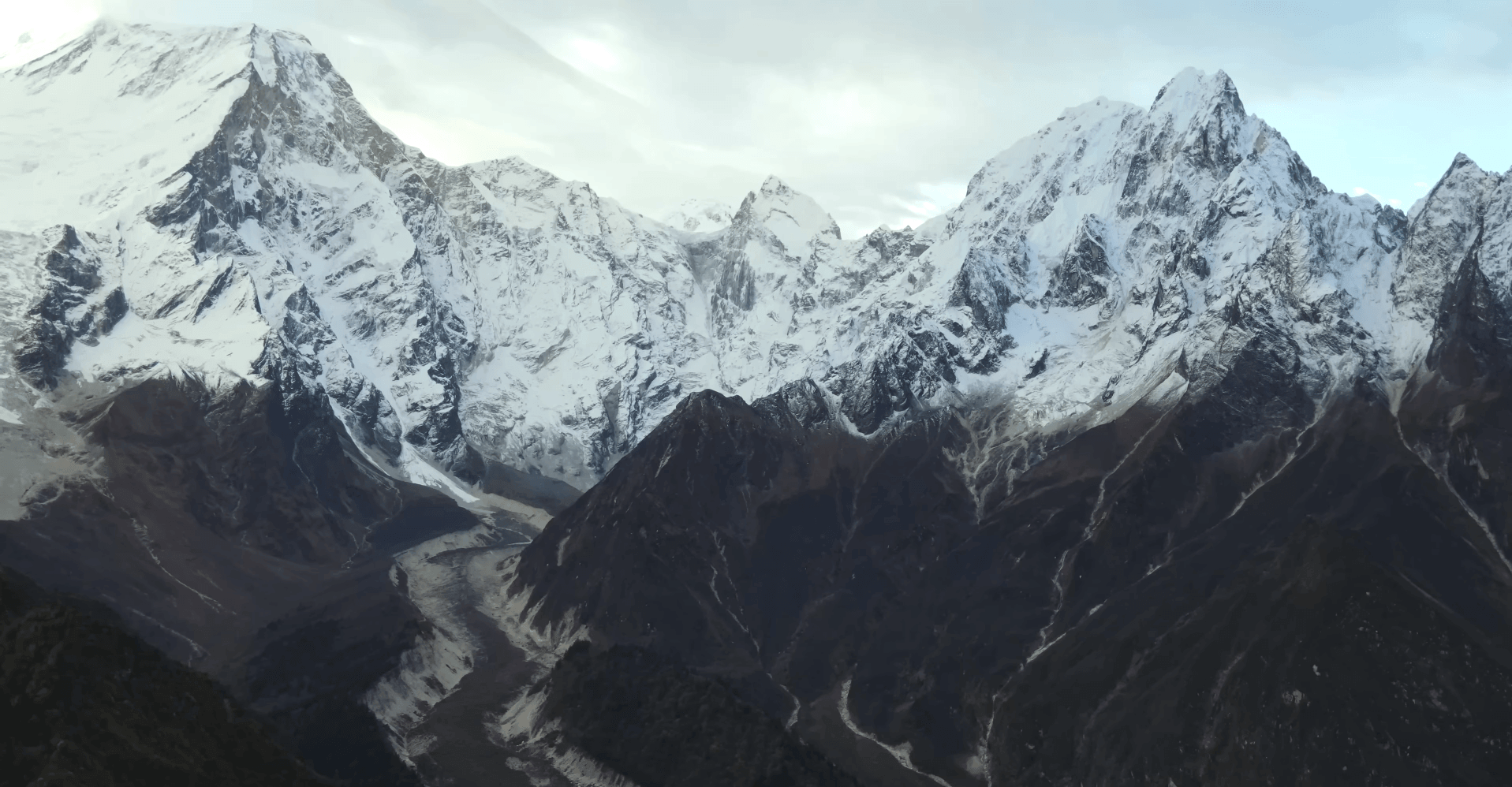
Day six brings you to Sama Gaun at 3,530 m, where we take a full acclimatisation day with a side trip to Manaslu Base Camp or Pungyen Gompa. Then Samdo at 3,875 m and a second rest day, with an optional hike toward the Tibetan border viewpoint. Day ten is a short walk to Dharamsala at 4,460 m, and you sleep early because day eleven is the big one: over Larkya La Pass at 5,106 m, eight to ten hours, starting in the dark, ending in Bimthang on the far side. From there a long green descent takes you to Dharapani and the drive out through Besisahar.
Why two rest days? Because the pass is the whole trek. The trekkers we see turning back at Dharamsala with pounding headaches are almost always the ones who rushed. Daily walking hours run five to seven on normal days, and we keep a spare day at the end, since snow can delay the crossing and a missed international flight costs far more than an extra night in Kathmandu.
We also run 12-day and 10-day versions, but I will be straight with you: the short itinerary only suits trekkers who are already acclimatised or very experienced at altitude. Ask us and we will tell you honestly which one fits.
Manaslu Circuit Trek Difficulty: How Hard Is It Really?
The Manaslu Circuit trek distance is around 177 km, or 110 miles, but the number tells you less than the profile does. The Manaslu Circuit trek altitude ranges from 870 m at Machha Khola to 5,106 m on the pass, and the lower gorge is rough, undulating trail with long stone staircases where you gain and lose hundreds of metres before gaining any altitude that counts.
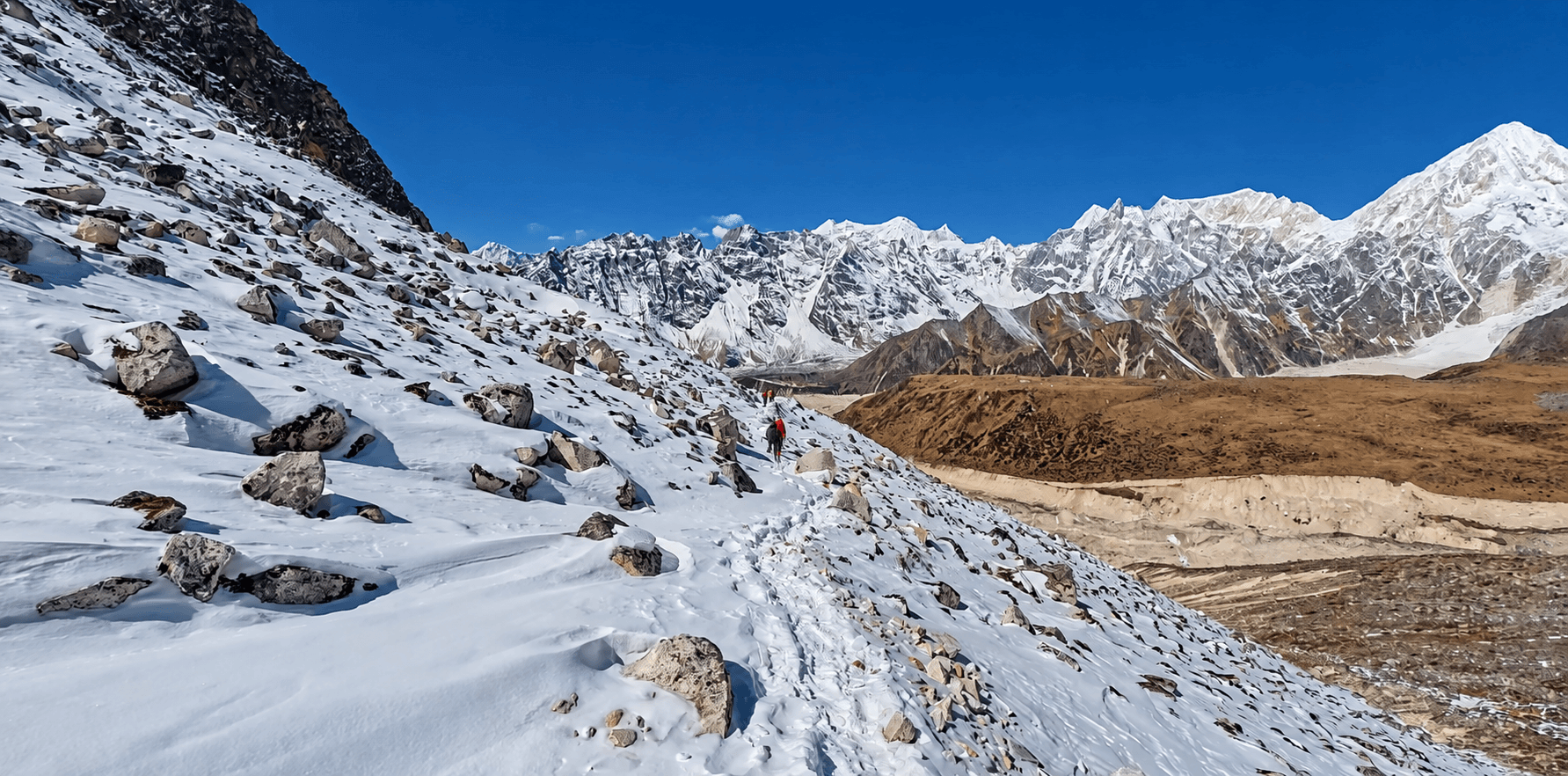
I rate the Manaslu Circuit trek difficulty as moderate to challenging. In practice that means daily elevation gain of 500 to 700 m on most trekking days, rocky and occasionally exposed sections, landslide zones in the gorge, and one pass day of 8 to 10 hours that often starts on snow before dawn. There is no road beside the trail, so once you are in, you walk out or fly out.
You do not need mountaineering skills. You need solid fitness, some multi-day hiking behind you, and the discipline to walk slowly above 3,500 m. Compared with the Annapurna Circuit, Manaslu is harder underfoot and more committing. Compared with Everest Base Camp, the sleeping altitudes are similar, but the Larkya La Pass altitude makes crossing day tougher than any single day on the EBC trail.
Is the Manaslu Circuit trek for beginners? For a complete beginner, no. For a fit first-timer to Nepal who trains properly and takes the full 14 days, realistically yes. We have guided plenty over the pass, and the ones who trained arrived in Bimthang grinning. Experienced trekkers will find it a satisfying step up from the classic routes without needing expedition skills.
Manaslu Circuit Trek Cost in 2026
Let me give you actual figures, because this is where the internet gets murky. A realistic Manaslu Circuit trek cost with a local, registered operator is USD 1,100 to 1,700 per person. That Manaslu Circuit trek package covers permits, a licensed guide, teahouse accommodation, three meals a day, and transport to and from the trailhead. International agencies resell the identical trek for USD 2,500 and up. Same trail, same teahouses, sometimes literally the same guides.
Your average budget per person moves with the season, since restricted permit fees are higher in autumn, and with group size, because guide and jeep costs are shared. Adding a porter costs around USD 22 to 25 per day and is worth every rupee on the staircase days. Camping is technically possible but unnecessary; in the camping vs teahouse question, teahouses win on cost, comfort and supporting local families, and they cover the entire route.
Permits: what you need and what they cost
Your agency arranges everything. The Manaslu Restricted Area Permit costs USD 100 for the first seven days plus USD 15 per extra day from September to November, and USD 75 plus USD 10 per day the rest of the year. You also need the Manaslu Conservation Area Permit (MCAP) and the Annapurna Conservation Area Permit at NPR 3,000 each, since you exit through the Annapurna side at Dharapani, plus the Chumnubri Rural Municipality fee collected at Jagat.
TIMS is not required for Manaslu. If an agency adds a TIMS fee to your quote, ask them why.
Manaslu Restricted Area Permit: The 2026 Rule Change
Most blogs online are out of date on this. For years the permit required a minimum of two trekkers, which forced solo travellers to find a partner or quietly pay for a ghost trekker on their permit. On March 22, 2026 the government removed that two-person minimum.
So under the current Manaslu Circuit solo trekking rules, solo trekkers can get the restricted area permit in their own name. What has not changed is the guide requirement: a licensed guide through a registered agency remains mandatory, and the checkpoints at Jagat and Sama Gaun do check passports against permits. Independent guideless trekking is still prohibited.
Honestly, on a trail this remote, the guide is not a legal formality. He is the person reading your oxygen levels in Samdo and deciding whether tomorrow is a pass day. For solo travellers the change is still genuinely big. You book, we assign a guide, you go.
Best Time for the Manaslu Circuit Trek: Month by Month
The best month for the Manaslu Circuit trek is October, with November close behind. The Manaslu Circuit trek in October gives you the year's most stable weather and sharpest views, with daytime trekking temperatures of 10 to 15 C lower down and nights at Samdo and Dharamsala dropping to minus 10 C. It is peak season, though peak on Manaslu still means quiet teahouses by Annapurna standards.
.webp)
For spring, the Manaslu Circuit trek in April is my personal favourite. The rhododendron forests between Deng and Namrung are in full bloom and temperatures are kinder. You trade some afternoon cloud for it, and early spring can leave snow on the pass. March works for trekkers who accept colder nights, and May is warm but hazier.
Manaslu Circuit trek weather and temperature turn hostile outside those windows. Monsoon, June to September, brings leeches and landslides in the gorge. Winter snow can shut Larkya La for weeks. Can we run those seasons? Sometimes. Do we recommend them for a first visit? No, and we will say so to your face rather than take the booking.
Teahouse Accommodation and Food on the Manaslu Trail
Manaslu Circuit trek teahouse accommodation is simpler than the Everest or Annapurna standard. A typical room has two beds, foam mattresses and blankets with shared toilets, and from Deng upward expect squat toilets and bucket showers. We provide a sleeping bag and down jacket free with every booking, and you will use both every night above Namrung.
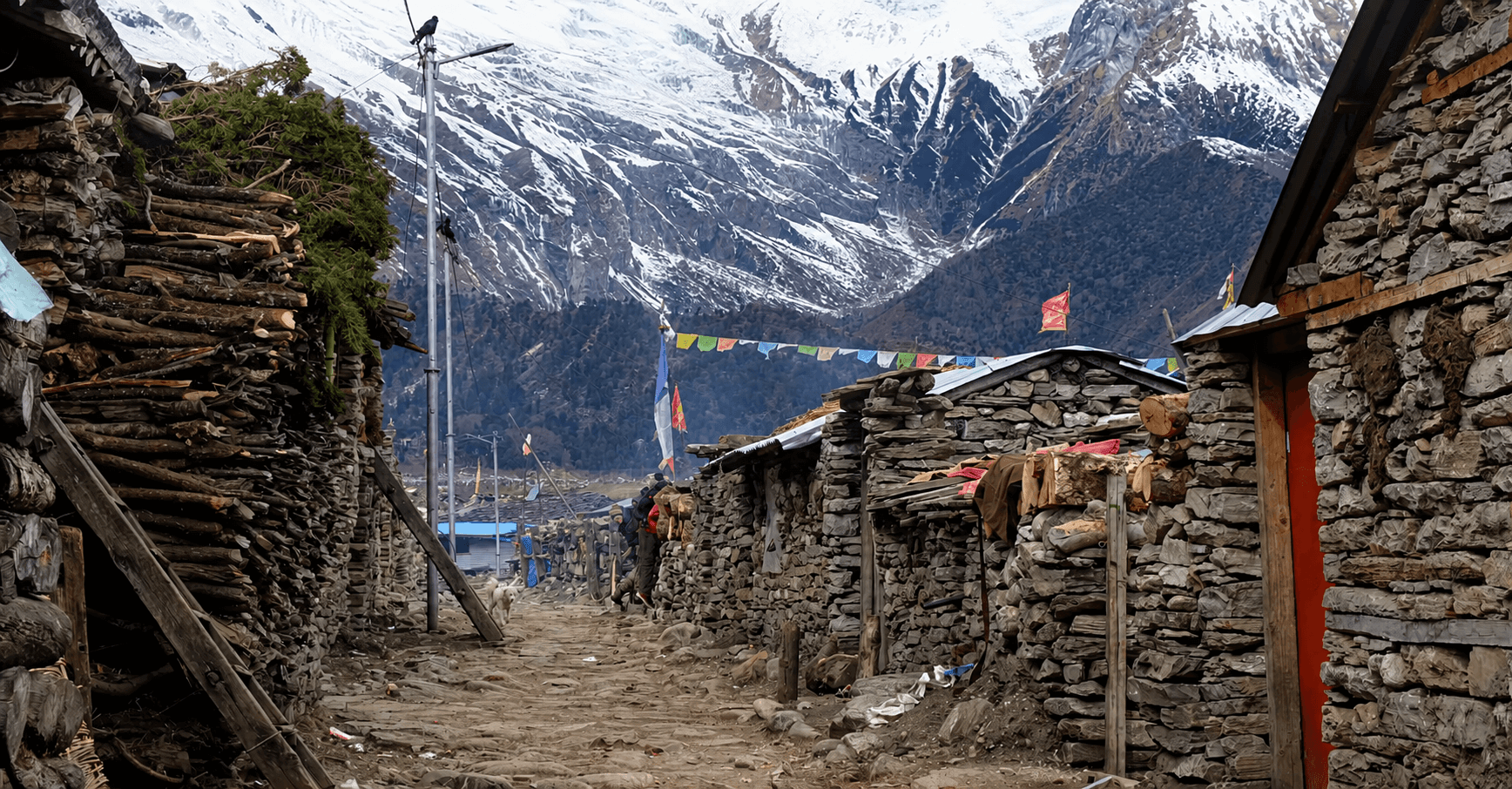
Food is honest trekking fuel. Dal bhat is the safe choice everywhere and the refills are unlimited, which matters when you burn four thousand calories a day. Menus shrink and prices climb with altitude, and that is fair, because everything above Namrung arrives on a mule or a porter's back.
Charging your phone costs a few hundred rupees per device in most villages. Wi-Fi and signal are patchy to nonexistent from Deng to Bimthang. Tell your family before you leave, then enjoy being unreachable. Half our clients list it afterwards as a highlight.
Manaslu Circuit Trek Safety, Altitude Sickness and Insurance
The main altitude sickness risk on this trek comes from sleeping above 3,500 m for four nights before crossing a 5,106 m pass. Our itinerary answers that with two acclimatisation days and a gradual ascent profile. From Sama Gaun onward our guides run daily oximeter checks, and if your numbers or symptoms say descend, we descend. There is no summit fever on a teahouse trek, not on ours anyway.
Every departure runs with government-certified guides trained in first aid and altitude protocols, a pre-agreed evacuation plan with helicopter access from Sama Gaun and Samdo, and early starts on pass day to beat the wind.
One thing we insist on before anyone boards the jeep: Manaslu Circuit trek travel insurance must cover trekking above 5,000 m and helicopter evacuation. Many standard policies quietly stop at 3,000 or 4,000 m, so read the altitude clause yourself. We check every client's policy before departure, and we have caught gaps that would have cost people five figures.
Manaslu Circuit vs Annapurna Circuit vs Everest Base Camp
Everyone asks, so here it is without diplomacy.
Manaslu Circuit trekvsAnnapurna Circuit: Manaslu is what Annapurna was before the road arrived. Annapurna is cheaper, more flexible and still beautiful, but jeep tracks now shadow much of the route and the trail is busy. Manaslu is roadless, quieter, a notch harder, and needs the guide and permit. If solitude is why you trek, this is not a close contest.
Manaslu Circuit trek vs Everest Base Camp: EBC gives you the famous name, Sherpa culture and comfortable, sociable lodges. Manaslu gives you a true circuit instead of an out-and-back, and the crowd level compared to Everest Base Camp is a fraction: a few thousand trekkers a year on Manaslu against tens of thousands in the Khumbu. Manaslu also frees you from the Lukla flight lottery. Total cost lands surprisingly close once EBC flights are included, and difficulty is comparable overall, though Larkya La is the hardest single day on either route.
If you want infrastructure and company for your first Himalayan trek, choose EBC or Annapurna with our blessing. If you want the trek you will still be describing at dinner parties in twenty years, choose Manaslu with a local Nepali operator who knows the trail.
Why the Manaslu Circuit Trek Is Worth the Effort
The effort is real. A long trailhead drive, cold basic rooms, permit paperwork, one brutal pass day. I will not sell you around any of that.
But you get mornings in Lho with an 8,000 m mountain filling the sky and nobody beside you at the viewpoint. You get monasteries where monks still outnumber tourists. You get the moment on Larkya La when the prayer flags appear through the wind and it lands on you that you just walked around one of the highest mountains on earth. And you get evenings in teahouse kitchens where the owner's family eats beside you, because some nights you are the only guests.
Our own guides, who could trek anywhere in Nepal on their holidays, choose Manaslu. I do not know a stronger recommendation than that.
Frequently Asked Questions About the Manaslu Circuit Trek
Is the Manaslu Circuit trek suitable for beginners?
Not for complete beginners. Fit first-timers with multi-day hiking experience manage it well on the 14-day itinerary. If you have never trekked before, start with Annapurna Base Camp or EBC.
How long is the Manaslu Circuit trek?
Around 177 km over 14 days on the standard itinerary, with 12 and 10-day versions for experienced or pre-acclimatised trekkers.
Do I need a guide for the Manaslu Circuit trek?
Yes. A licensed guide through a registered agency is mandatory in the restricted area. Only the two-person minimum was removed in 2026, not the guide rule.
Can I trek Manaslu solo in 2026?
Yes, as a solo client with a guide. Since March 22, 2026 solo trekkers can obtain the restricted area permit. Guideless trekking remains prohibited.
What permits do I need for Manaslu?
The Manaslu Restricted Area Permit, MCAP, ACAP, and the Chumnubri Rural Municipality fee paid at Jagat. TIMS is not required.
How much does the Manaslu Circuit trek cost?
USD 1,100 to 1,700 per person for a full package with a local operator, covering permits, guide, accommodation, meals and transport. Autumn costs more because permit fees are higher.
What is the best month for the Manaslu Circuit trek?
October, for the most reliable weather and clearest views. April is the best spring month, when the rhododendron forests bloom.
How hard is Larkya La Pass?
An 8 to 10 hour day starting around 3 or 4 am, reaching 5,106 m, often on snow. With two acclimatisation days behind you and a steady pace, most fit trekkers cross comfortably.
Is the Manaslu Circuit trek safe?
Yes, with a proper itinerary and a trained guide. The main risks are altitude sickness and pass weather, both managed through acclimatisation days, daily oximeter checks and flexible planning.
What should I pack for the Manaslu Circuit trek?
A Manaslu Circuit trek packing list starts with layers for minus 10 C nights, broken-in boots, a headlamp for pass day, water purification and personal medication. We provide the sleeping bag and down jacket.
Is there a map of the Manaslu Circuit trek route?
Yes. The Manaslu Circuit trek map runs from Machha Khola up the Budhi Gandaki through Jagat, Namrung, Sama Gaun and Samdo, over Larkya La, and down through Bimthang to Dharapani. We include a detailed route map with every booking confirmation.
Talk to Someone Who Has Actually Crossed the Pass
We are a local Kathmandu agency, NTB registered and a TAAN member, and our lead guide Pemba Sherpa has crossed Larkya La more times than he can count. Small groups, government-certified guides, and a real evacuation plan on every departure.