
Is Nepal Safe Now for Travel After the 2026 Floods?
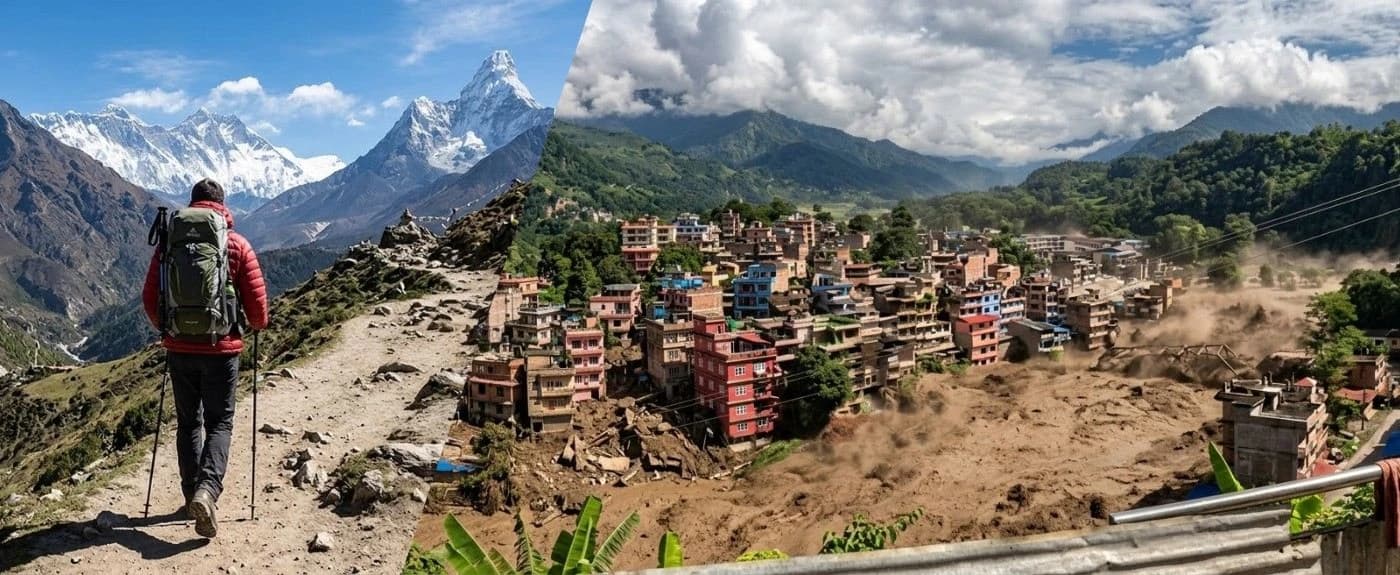
Short answer: Yes, Nepal is open and safe for travel after the 2026 floods in most regions, including Kathmandu, Pokhara, Everest and Annapurna. The 26 August flood hit one corridor: the Bhote Koshi and Trishuli rivers through Rasuwa and Nuwakot, which cut the road to Syabrubesi, Langtang and Gosaikunda. A separate flood on the Budhigandaki on 11 October broke the lower Manaslu trail. Your safety depends on the region, the road in, the weather and your timing.
If you are asking is Nepal safe now for travel after the flood 2026, you are asking the right question in the wrong size. Nepal is not one place. A flood in one river valley north of Kathmandu does not close the Khumbu, well over 100 km to the east, or the Annapurna Sanctuary, even farther to the west.
I’m Pravin Baniya, founder and lead guide at Thrill Himalaya Treks. I have guided in Nepal for 14 years, across Everest, Annapurna, Manaslu and Tsum Valley. This page gives you the honest, route-by-route picture: where it is safe, where it is not, and how we decide.
Nepal safety snapshot by region (as of 14 October 2026)
|
Region |
Treks |
Current status |
Main risk |
Your best decision |
|
Kathmandu and Pokhara |
City stays, gateway towns |
Operating normally |
Highway delays after rain |
Travel as planned |
|
Everest (Khumbu) |
EBC, Gokyo, Three Passes |
Open, not in the flood path |
Lukla flight delays, altitude |
Book, add 2 buffer days |
|
Annapurna south |
ABC, Poon Hill, Mardi Himal |
Open |
Landslides on approach roads after rain |
Book, confirm the trailhead road |
|
Annapurna Circuit and Manang |
Circuit, Tilicho |
Open; road to Upper Manang restored 13 October on a temporary crossing |
Temporary crossings, early snow on Thorong La |
Book with flexible days |
|
Mustang |
Upper Mustang, Muktinath |
Open; Beni to Jomsom road reopened 9 October |
Road damage after rain |
Fly Pokhara to Jomsom if roads wobble |
|
Langtang and Gosaikunda |
Langtang Valley, Gosaikunda, Tamang Heritage |
Upper trails reported safe; Syabrubesi road still cut |
Access road, temporary bridges |
Go only with dated confirmation from a licensed operator, or postpone |
|
Manaslu and Tsum |
Manaslu Circuit, Tsum Valley |
Lower trail destroyed between Filim and Jagat on 11 October |
Missing trail sections, bridges gone |
Postpone until official reopening |
|
Kanchenjunga, Makalu, far west |
Remote treks |
Reported open and safe by TAAN on 8 October |
Remoteness, logistics |
Book with an experienced local agency |
Not sure which region fits your dates?Talk to a trekking specialist on WhatsApp and we will tell you today what is open for your exact start date.
What happened in Nepal in 2026? The Nepal flood 2026 travel update
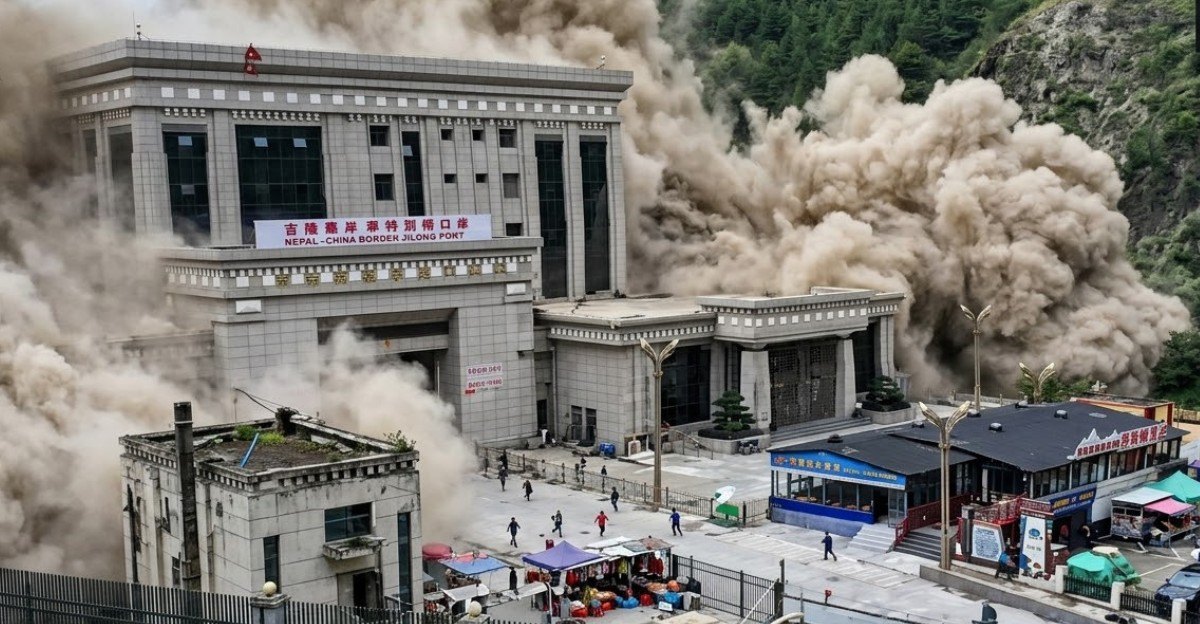
On the morning of 26 August 2026, a glacier collapse near Langtang Lirung sent a debris flood down the Lhende Khola, Bhote Koshi and Trishuli rivers. The surge struck settlements along a 72 km stretch of the Trishuli, from the Rasuwagadhi border crossing down through Timure, Syabrubesi, Betrawati and Trishuli Bazaar.
This was a national tragedy, and we will not soften it. Nepal’s disaster authority counted at least 939 deaths and more than 4,000 people missing by the end of August, and later reports put the confirmed toll above 1,300. The Roads Department’s first estimate listed 41 bridges and 42 km of road damaged, and the government declared the area a disaster zone for three months.
What else changed after August?
-
6 September, Manaslu: a flash flood at Namrung destroyed the main suspension bridge. The route reopened within days on a temporary bypass.
-
24 to 27 September, late monsoon rain: floods and landslides cut the Besisahar to Chame road, submerged the bridge at Chame, damaged the Beni to Jomsom road at 46 points and buried Thorong La in early snow. All of these roads have since reopened, some on temporary crossings.
- 11 October, Manaslu again: a landslide dam broke on a Budhigandaki tributary. The flood swept away bridges at Soti, Philim and Sardibhir and wiped out the trail between Filim and Jagat (Kathmandu Post).
Why a flooded road corridor is not the same as a dangerous trekking trail
This is the single most useful idea on this page. A flood corridor is a deep river valley where roads, bridges and towns sit close to the water. A high-altitude trekking trail usually climbs far above the river, on ridges and side valleys.
The August flood destroyed the road and bridges in the Bhote Koshi valley floor. The Langtang trail climbs up a different valley, the Langtang Khola, so the trail itself survived while the road to its start did not. In Manaslu the opposite happened: the trail follows the Budhigandaki gorge low down, so the flood hit the walking route directly.
When I check a route before a trek, I look at three things: road access, bridge condition, and the next 48 hours of weather. If any one of the three fails, we change the plan before we start, not halfway up the valley.
Why conditions can still change
Temporary Bailey and wooden bridges carry traffic now, but heavy rain can close them again. Debris dams and barrier lakes formed after the August collapse, and authorities watched them for weeks. On 11 October, officials also warned that the swollen Budhigandaki raised flood risk at Benighat and Mugling, on the main Kathmandu to Pokhara highway. Treat every status on this page as true on the date checked, not forever.
Is Kathmandu safe for tourists after the Nepal flood?
Yes. Kathmandu was outside the flood path. Within four days of the disaster, PATA Nepal confirmed that Tribhuvan International Airport, all domestic airports, Valley hotels and heritage sites were operating, along with the Kathmandu to Pokhara and Kathmandu to Chitwan roads.
What to watch in and around the city:
- Highway travel: the Prithvi Highway to Pokhara runs beside the Trishuli between Galchhi and Mugling. It closed briefly in late August and can drop to one-way traffic after rain. If your schedule is tight, take the 25-minute flight to Pokhara instead.
- Dashain and Tihar: Dashain runs 11 to 25 October 2026, with government offices shut 17 to 23 October. Tihar runs 7 to 11 November. Buses fill fast and some offices close, so book transport early.
- City basics: carry some cash, keep your hotel’s number saved, and avoid riverside walks on the Bagmati after heavy rain.
Is Everest Base Camp trek safe now after the Nepal floods?
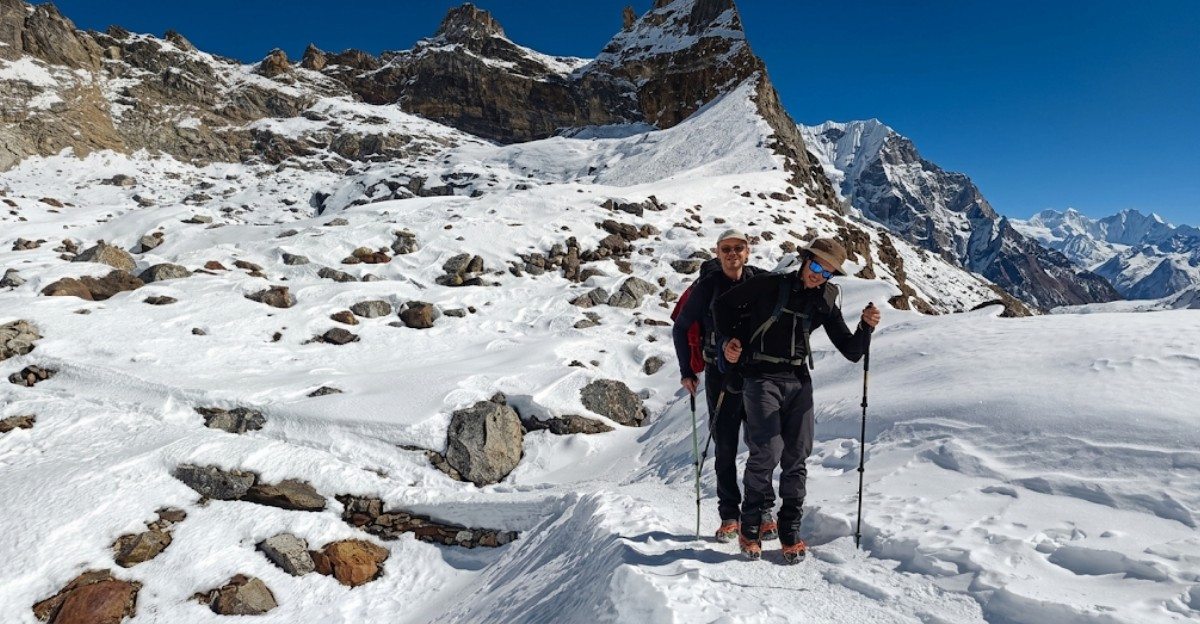
Yes, the Everest Base Camp trek is safe now with normal mountain precautions. The standard route from Lukla through Phakding, Namche Bazaar, Tengboche, Dingboche, Lobuche and Gorak Shep to Base Camp was not in the path of either flood. TAAN’s 8 October advisory lists the Everest region as open and safe.
The real risks on EBC this season are the same ones we manage every autumn:
- Lukla flights. In peak season, fixed-wing flights to Lukla leave from Manthali (Ramechhap), a pre-dawn drive of about 4 to 5 hours from Kathmandu. Lukla and four other airports closed for poor visibility on 25 September, and a weather hold of 2 to 3 days is normal. In good weather, Ramechhap runs 50 to 65 flights a day.
- Altitude. Base Camp sits at 5,364 m. Acute mountain sickness causes far more evacuations on this route than any flood ever has. Our itineraries include acclimatisation days at Namche and Dingboche.
- Cold. From late October, nights above Dingboche drop well below freezing.
Our advice: book the trek, but add two buffer days at the end. Check EBC dates and availability for October and November 2026.
Is the Kathmandu to Lukla flight safe after the Nepal flood 2026?
The flood did not touch Lukla, Ramechhap or the flight path. Delays come from cloud and wind at Lukla, not flood damage. If a delay would wreck your plans, ask us about a helicopter backup option before you travel.
Is Annapurna safe now after the 2026 flood?
Yes, the Annapurna region is open, and it sits well west of the August flood corridor. The late-September rain caused road damage on the approaches, which is now the main thing to check.
Is Annapurna Base Camp safe after the 2026 flood?
Yes. Annapurna Base Camp, Poon Hill and Mardi Himal trails were not reported damaged. The risk sits on the drive from Pokhara to the trailhead: the Pokhara to Baglung highway lost a section at Sahasradhara during the late-September rain. We confirm the road to Nayapul, Kimche or Siwai the day before you start. Poon Hill makes a good short alternative if you have only 4 to 5 days. See our Annapurna Base Camp trek options.
Is the Annapurna Circuit open after the 2026 floods?
Yes, with a flexible plan. The Besisahar to Chame road reopened on 3 October after six days blocked by landslides. On 13 October a temporary wooden crossing restored vehicle access from Chame to Upper Manang, three weeks after floods submerged the bridge. Early heavy snow turned more than 150 trekkers back from Thorong La at the end of September, so cross with a guide, start before dawn and keep a spare day in Manang.
Is Langtang safe now after the 2026 floods?
Honest answer: the upper Langtang Valley is reachable in some cases, but the normal way in is still broken. TAAN’s 8 October advisory described the Langtang, Kyanjin and Gosaikunda areas as safe for trekking, while confirming that the Kathmandu to Syabrubesi road remains closed.
Here is where access stands:
- Betrawati: a 73 m Bailey bridge built by the Nepali Army opened on 11 October, restoring the road link between Nuwakot and Rasuwa.
- Syabrubesi: the trailhead town was devastated. A second Bailey bridge there is still in preparation, so the road does not yet reach the normal starting point.
- Alternatives: TAAN suggests reaching the trails via Sundarijal, Chisapani and Helambu, or by local jeep towards Dhunche or Thulo Syabru.
- Official warnings: the US advisory placed the Rasuwagadhi, Timure and Syafrubesi area at Level 4, Do Not Travel, on 4 September.
Our advice: do not attempt Langtang or Gosaikunda independently this autumn. Book only with a licensed local operator who gives you dated, written confirmation of the road, bridges and open lodges for your start date. The Tamang Heritage Trail passes through Timure, one of the worst-hit villages, and we do not recommend it this season. Ask us about Langtang access for your dates.
Is Manaslu Circuit trek safe after the Budhigandaki flood?
Not for new departures right now. The 11 October flood is the most serious current risk to trekkers anywhere in Nepal.
- The flood destroyed the Soti steel bridge, the Nagchet to Philim suspension bridge and the Machhakhola to Kerauja bridge.
- Manaslu Conservation Area Project (MCAP) staff said of the Filim to Jagat stretch: “There is no trail left in this section.”
- Jagat was cut off in both directions, and most of the 97 tourists registered there were stuck for three days. Some left by chartered helicopter.
- In Tsum Valley, the Sardibhir cantilever bridge, the only foot route out, was swept away. Nineteen foreign visitors were flown out.
- Trekkers who had already passed Filim into Nubri continued over Larkya La, and MCAP said the upper trail is not the problem.
This is the second flood on this route in five weeks, after the 6 September Namrung flood. Manaslu needs extra caution and official route confirmation from MCAP, TAAN or the Gorkha district office before anyone books.
Our position: we will not start a new Manaslu or Tsum Valley group until a safe route between Soti, Jagat and Filim is confirmed. If you love the idea of Manaslu, the Annapurna Circuit gives you a similar high pass and village culture this season. See our Manaslu Circuit trek to plan for spring 2027.
Other trekking regions: Mustang, Kanchenjunga, Makalu, Gokyo and more
- Upper Mustang: a rain-shadow region with no flood damage on the trail. The Beni to Jomsom road reopened on 9 October after two weeks closed. Flying Pokhara to Jomsom avoids the road completely.
- Gokyo Lakes: same Lukla access as EBC, no flood impact. Fine for fit trekkers who respect the acclimatisation days.
- Everest Three High Passes: open. Kongma La, Cho La and Renjo La are serious terrain, so go with an experienced guide and check snow before each pass.
- Rolwaling: TAAN listed it open and safe on 8 October. Remote, with limited rescue options.
- Kanchenjunga and Makalu: both listed open and safe by TAAN. Long road and flight logistics mean you should book through an experienced local agency.
- Helambu, Dolpo and the far west: TAAN listed Helambu, Dhaulagiri, Dolpo, Rara and Api regions as open and safe.
- Kailash overland via Rasuwagadhi: closed. The border crossing was destroyed.
Nepal trekking route status 2026: which treks are safe right now?
Most classic Nepal treks are open; Langtang access and the lower Manaslu trail are the two real exceptions. Status as of 14 October 2026, based on TAAN’s 8 October advisory and the latest district reports.
|
Trek / Region |
Flood impact status |
Is it safe now? |
Main concern |
Best advice |
|
Everest Base Camp |
Not affected |
Generally safe with normal mountain precautions |
Lukla flight delays, altitude, cold |
Book with a licensed operator and keep 2 buffer days |
|
Gokyo Lakes |
Not affected |
Generally safe |
High altitude, weather |
Suitable for fit trekkers with acclimatisation days |
|
Everest Three High Passes |
Not affected |
Safe for experienced trekkers |
Remote passes, snow, altitude |
Use a guide and check each pass the day before |
|
Annapurna Base Camp |
Not affected |
Generally safe |
Landslides on the Pokhara approach roads after rain |
Confirm road access before starting |
|
Annapurna Circuit |
Late-September road damage, now reopened on temporary crossings |
Generally safe, route-dependent |
Temporary crossings, Thorong La snow |
Check Chame, Manang and pass conditions; keep a spare day |
|
Poon Hill / Ghorepani |
Not affected |
Generally safe |
Rain, slippery stone steps |
Good short-trek alternative |
|
Mardi Himal |
Not affected |
Generally safe |
Steep, exposed ridge in bad weather |
Avoid during heavy rain |
|
Upper Mustang |
Road cut late September, reopened 9 October |
Generally safe |
Road travel after rain |
Fly Pokhara to Jomsom if the road is uncertain |
|
Langtang Valley |
Access road disrupted, Syabrubesi devastated |
Do not attempt without a verified local update |
Syabrubesi road, temporary bridges, landslides |
Postpone or choose another region unless confirmed open |
|
Gosaikunda |
Access disrupted |
Verify locally |
Dhunche and Syabrubesi access |
Do not book blindly; consider the Helambu approach |
|
Tamang Heritage Trail |
Directly affected (Timure) |
Not recommended this season |
Damaged villages, road |
Postpone |
|
Manaslu Circuit |
Directly affected by 11 October Budhigandaki flood |
High caution: not for new departures |
Missing trail between Filim and Jagat, bridges gone |
Wait for official reopening confirmation |
|
Tsum Valley |
Directly affected (Sardibhir bridge lost) |
Not for new departures |
Only foot route out destroyed |
Wait for official reopening confirmation |
|
Kanchenjunga |
Not affected |
Safe for prepared trekkers |
Remote access, long logistics |
Use an experienced local agency |
|
Makalu |
Not affected |
Safe for experienced trekkers |
Remoteness, flights and permits |
Confirm flights, permits and trail status |
When is the best time to trek in Nepal after the floods?
The best time to trek in Nepal after the 2026 floods is mid-October to late November, then March to May.
-
Autumn (October to November): clear skies, dry trails and the most stable weather of the year. The first half of November is quieter than October and still mild enough for the Annapurna Circuit.
- Spring (March to May): warmer days, rhododendron forests and long daylight. A good choice if Langtang or Manaslu is your dream route, since rebuilding has more time.
- The late-monsoon warning: the floods of late September proved the monsoon does not stop on a calendar date. Rain in late September and early October can still trigger landslides and flash floods, so early-autumn trips need extra buffer days.
Can I travel to Nepal in October or November 2026 after the floods?
Yes. October and November are the best months to visit this year, for Everest, Annapurna, Mustang and the far east. Choose a region outside the affected corridors and add buffer days. Check dates and availability for November 2026.
Who should postpone or change their Nepal trek plans?
Nepal is open, but it is not the right trip for every plan this season. Postpone or switch if you are:
- Booked for Langtang, Gosaikunda or Syabrubesi without dated confirmation that the road and lodges are working.
- Booked for Manaslu or Tsum Valley in the next few weeks.
- On a tight schedule with no spare days before your international flight.
- Planning to trek solo without local support, especially on remote or recently damaged routes.
- Managing a heart, lung or other serious medical condition that makes a slow evacuation dangerous.
- Unwilling to accept itinerary changes. This season, a good guide will sometimes reroute you, and that is the system working.
- Planning overland Kailash via Rasuwagadhi. That crossing is gone.
Should you cancel, postpone or switch? A quick decision guide
|
Your situation |
Our honest advice |
|
Booked EBC, ABC, Poon Hill or Mardi for October to December |
Keep your booking; add buffer days |
|
Booked Annapurna Circuit |
Keep it; plan a spare day in Manang for the pass |
|
Booked Langtang in the next 4 weeks |
Switch to Helambu, Poon Hill or EBC, or postpone to spring |
|
Booked Manaslu or Tsum in the next 4 weeks |
Switch to the Annapurna Circuit or postpone to spring 2027 |
|
First Himalayan trek and nervous |
Choose ABC, Poon Hill or Mardi Himal with a licensed guide |
|
Fewer than 10 days in Nepal |
Poon Hill, Mardi Himal or a short Everest view trek |
How to travel safely in Nepal after the floods: 15 practical tips
These are the Nepal trekking safety tips after the flood that we give our own clients. None of them is complicated, and together they remove most of the risk.
- Book through a licensed local agency. Check the company’s Nepal Tourism Board registration and TAAN membership. Licensed operators hear about detours, bridge repairs and road blocks days before international travellers do.
- Read the official updates, not just social media. Check Nepal Tourism Board, TAAN and Department of Tourism notices, plus your own government’s travel advisory.
- Buy trekking insurance that covers your real altitude and helicopter evacuation. Buy it in your home country, and check the maximum altitude in writing (EBC needs cover to at least 5,500 m).
- Add two buffer days to any trek that relies on a mountain flight or a recently repaired road.
- Reconfirm road status 24 to 48 hours before departure. Ask for the date of the latest report, not “it should be fine”.
- Never drive mountain roads at night. Landslides fall without warning and rescue is slower in the dark.
- Stay off riverbanks and gravel bars, even on sunny days. Flash floods in 2026 started under clear skies.
- Cross suspension bridges one group at a time and wait if a bridge is visibly damaged or swaying badly.
- Avoid unstable slopes after heavy rain. Fresh cracks, loose rock or muddy streams on a trail mean stop and ask your guide.
- Watch the 48-hour forecast at every overnight stop and be ready to wait a day.
- Walk with a registered guide. Nepal’s 2023 rule requires a licensed guide for foreign trekkers in most protected areas, and a guide’s local contacts matter more than ever this season.
- Carry enough cash. ATMs and card machines fail when power lines go down, and lodges above the roadhead rarely take cards.
- Share your itinerary with family and register with your embassy where that service exists.
- Keep a working phone plan and a power bank. A local SIM gives you better coverage than roaming in most valleys.
- Follow evacuation instructions immediately from police, army or your guide, even if you think the danger is far away.
Why trek with Thrill Himalaya Treks after the floods?
Safety in a season like this comes from local knowledge and the willingness to say no. That is how we work.
- Local and licensed: a Kathmandu-based company in Thamel, registered with the Nepal Tourism Board (Reg. 3303/81/82) and a member of TAAN.
- Led by an experienced guide: founder Pravin Baniya has guided for 14 years across Everest, Annapurna, Manaslu and Tsum Valley.
- Trusted by travellers: TripAdvisor Travelers’ Choice 2026, rated 5.0 and in the top 3% of Kathmandu outdoor activities.
- A daily route check: our guides and local partners report road, bridge and weather conditions, and we confirm your route 48 hours before you start.
- A clear reroute rule: if a section is not safe, we change the route before we enter it. Your guide’s safety call always beats the itinerary.
- Honest about what we will not sell: we will not start a trek on a route we cannot confirm.
How do you book a safe Nepal trek with us?
Booking takes four steps, and you hear from a real person within 24 hours.
- Send your dates and trek idea on WhatsApp or through our quote form.
- Get your personalised quote in 24 hours, including the current road and trail status for your exact route.
- Confirm with a deposit once you are happy with the plan.
- Get a final route check 48 hours before you start, with a backup plan if anything changes.
Ready to plan? Talk to a trekking specialist on WhatsApp (+977 9851017941), email [email protected], or get your personalised quote in 24 hours.
Nepal flood 2026 FAQ: your questions answered
Is Nepal safe to visit after the 2026 floods?
Yes, most of Nepal is safe to visit. Kathmandu, Pokhara, Chitwan, Everest, Annapurna, Mustang, Kanchenjunga and Makalu are open. The exceptions are the Bhote Koshi and Trishuli corridor in Rasuwa and Nuwakot, the Langtang road, and the lower Manaslu and Tsum trails after the 11 October flood.
Is Kathmandu safe for tourists after the flood?
Yes. Kathmandu was outside the flood path, and the international airport, domestic airports, hotels and heritage sites have operated normally since late August. Allow extra time for highway travel after rain and during Dashain.
Is Everest Base Camp trek safe now after the Nepal floods?
Yes. The EBC trek is open and TAAN lists the Everest region as safe. Your real risks are Lukla flight delays, altitude sickness and cold, so keep two buffer days and follow a proper acclimatisation plan.
Is the Everest Base Camp route damaged by the 2026 flood?
No. Neither the August Rasuwa flood nor the October Budhigandaki flood reached the Khumbu. The trail from Lukla to Base Camp was not reported damaged.
Is Annapurna Base Camp safe after the flood?
Yes. The ABC trail was not affected. The only flood-season issue is landslide damage on the roads from Pokhara to the trailheads, which we confirm the day before you start.
Is the Annapurna Circuit open after the 2026 floods?
Yes. The Besisahar to Chame road reopened on 3 October, and a temporary crossing restored road access to Upper Manang on 13 October. Plan a spare day for Thorong La in case of snow.
Is Langtang Valley trek open after the flood?
Partly. TAAN reports the upper valley and Kyanjin Gompa as safe, but the road to Syabrubesi is still broken. Go only with a licensed operator who confirms access in writing for your dates.
Why is Langtang affected if the trekking trail itself was not damaged?
Because the flood destroyed the access, not the trail. The Langtang trail climbs a side valley, but its starting town, Syabrubesi, sits on the Bhote Koshi, where the road and bridges were swept away.
Is Manaslu Circuit trek safe after the Budhigandaki flood?
Not for new departures right now. The 11 October flood destroyed bridges and the trail between Filim and Jagat, and trekkers were stranded. Wait for official confirmation from MCAP or TAAN that a safe route exists.
Which trekking regions in Nepal are safest right now?
The Everest region, Annapurna Base Camp, Poon Hill, Mardi Himal and Upper Mustang are the safest choices this autumn. Kanchenjunga and Makalu are also open for experienced trekkers.
Can I travel to Nepal in October or November 2026?
Yes. These are the best trekking months of the year. Choose a region outside the affected corridors, keep buffer days, and reconfirm your route 48 hours before you start.
Do I need a guide for trekking in Nepal after the floods?
Yes. Since 2023, Nepal requires foreign trekkers in most protected areas to hire a licensed guide (enforcement varies by region), and this season a local guide’s knowledge of detours and bridge conditions is a real safety advantage.
What travel insurance do I need for Nepal trekking?
You need a policy that covers trekking up to your highest altitude and helicopter evacuation. Buy it in your home country before you leave, and check the altitude limit in writing.
Are Lukla flights operating normally after the flood?
Yes. Lukla flights were not affected by the floods. In peak season most flights leave from Ramechhap (Manthali), and weather delays of 1 to 3 days are normal in any season.
What should I avoid doing in Nepal after heavy rain?
Avoid riverbanks, night driving on mountain roads, damaged bridges and steep slopes with fresh cracks or rockfall. If your guide says wait, wait.
When will affected trekking routes in Nepal fully reopen?
No official date exists yet. Bailey bridges are going in on the Langtang road, and Manaslu needs new bridges and trail repairs. Until an official reopening is announced, plan Langtang and Manaslu for spring 2027 and verify before you book.
Final verdict: Is Nepal safe now for travel after the 2026 floods?
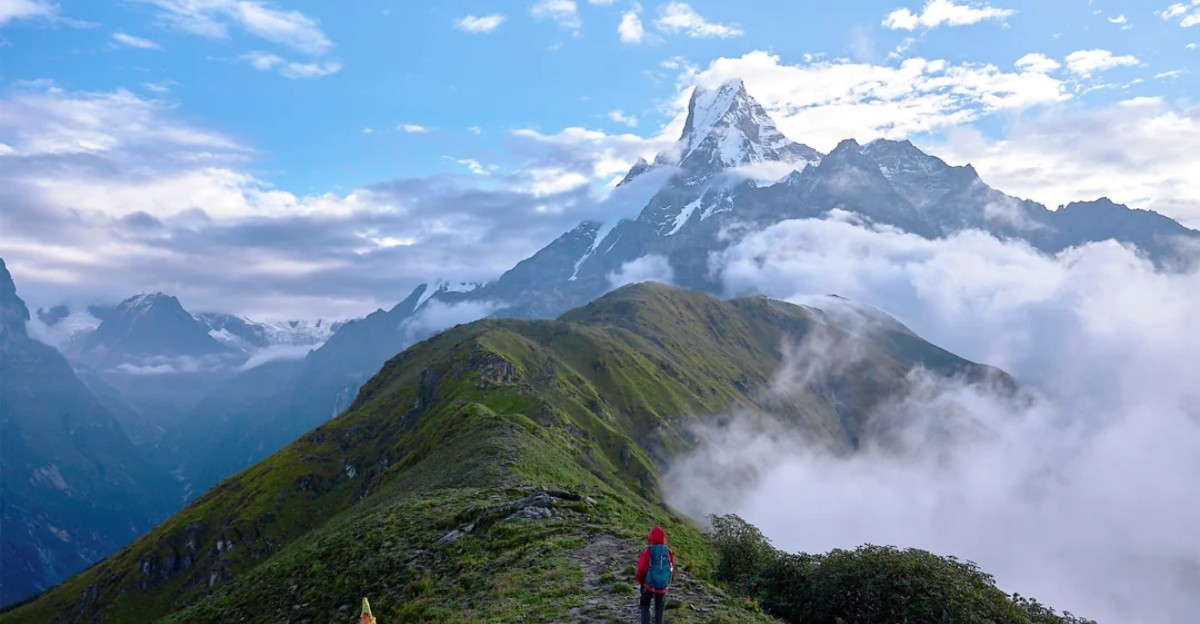
Yes, Nepal is safe for travel in most regions, but not everywhere, and not without a plan. Everest, Annapurna, Mustang and the far east are open and having a good autumn. Langtang still has broken access, and Manaslu and Tsum are not ready for new trekkers after the 11 October flood.
If you want the Himalaya this autumn, choose Everest, Annapurna or Mustang, add two buffer days, buy proper insurance and trek with a licensed local team. If your heart is set on Langtang or Manaslu, spring 2027 is the honest answer.
Disclaimer: Route conditions in this article reflect the latest available reports as of 14 October 2026. Mountain conditions can change quickly. Always verify with your operator and official sources before you travel.