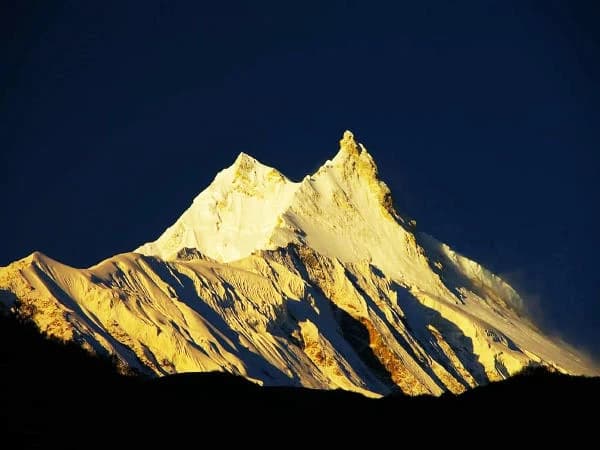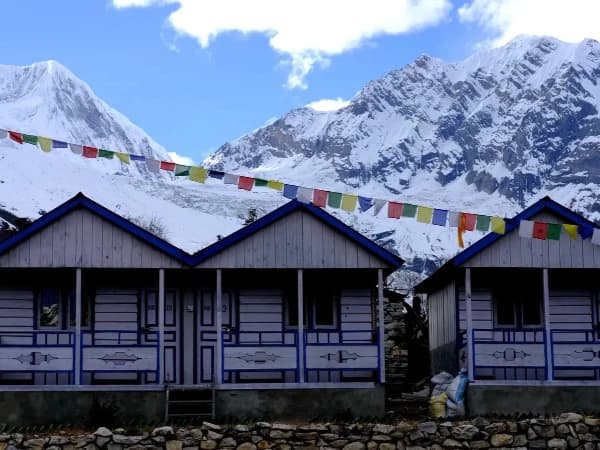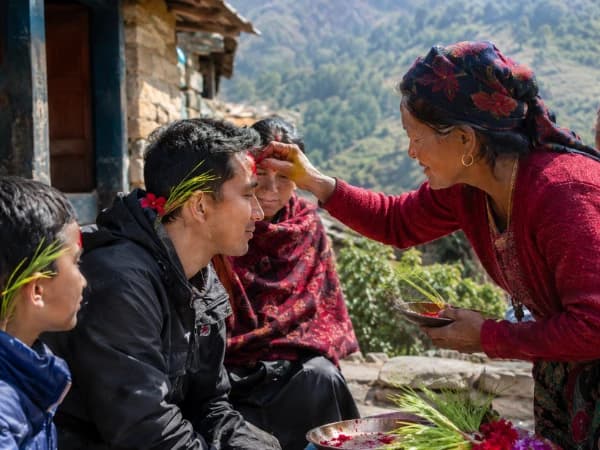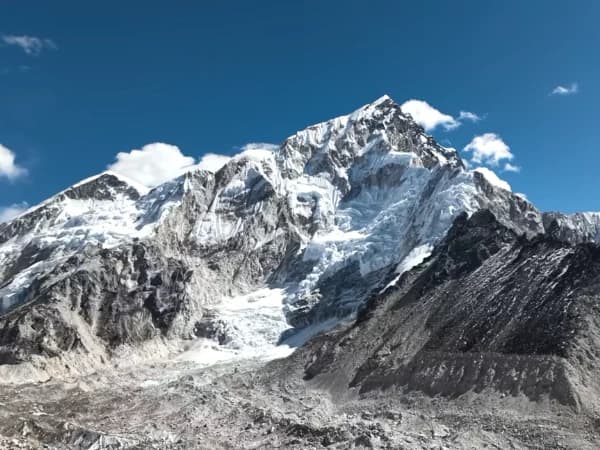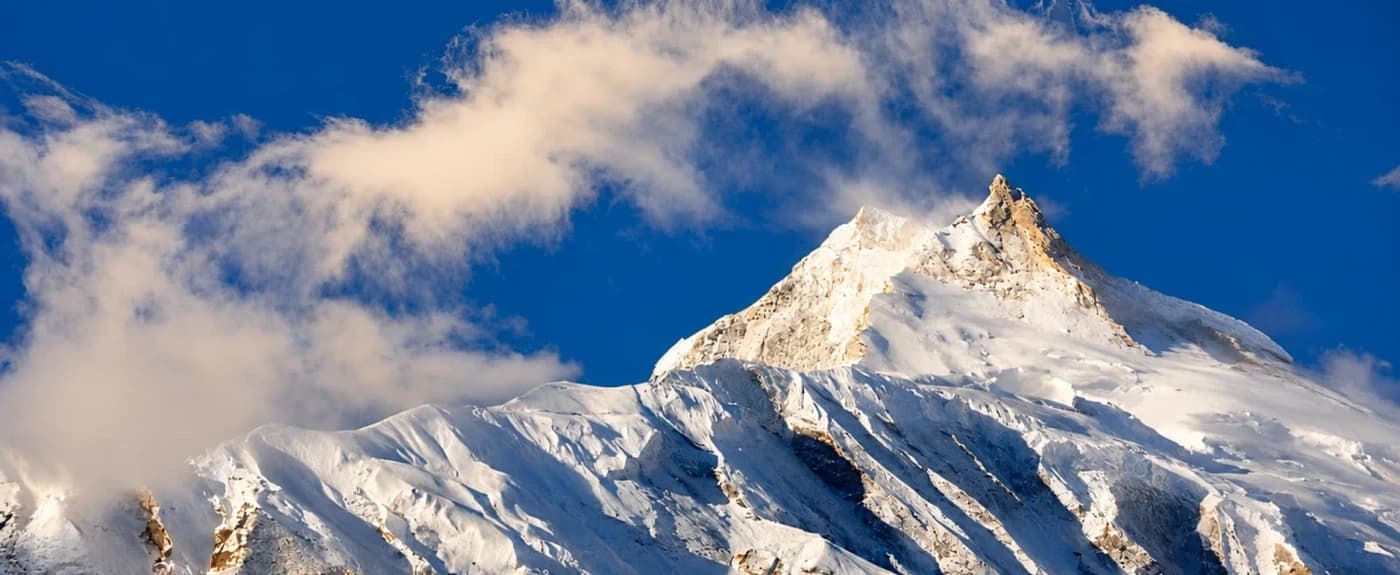

The best time for Manaslu Circuit Trek is October for most trekkers, with November and April as the strongest alternatives.
That answer needs context. Manaslu is not a route where one weather description applies from start to finish. You begin in lower river valleys, climb through forest and mountain villages, acclimatize around Samagaon and Samdo, sleep at Dharamshala, then cross Larkya La Pass above 5,000 meters.
A pleasant day lower on the Budhi Gandaki does not tell you what the next morning will feel like near Larkya La. The best season depends on trail conditions, visibility, high-altitude weather, crowds, accommodation, acclimatization, and especially conditions around Dharamshala and Larkya La.
For the fewest compromises, choose October. For excellent visibility with colder nights and somewhat less peak-season pressure, choose November. For spring, warmer lower sections and rhododendron forests, April is our strongest recommendation.
Pravin Baniya, founder of Thrill Himalaya Treks, has published Manaslu guidance based on more than a decade of guiding in the Nepal Himalaya. He places October and November among the strongest months, followed by April and May, and treats the high section from Samdo through Larkya La as the part of the itinerary that should not be rushed.
Quick Answer: What Is the Best Time for Manaslu Circuit Trek?
| Choice | Best period | Why choose it | Trade-off |
| Best overall | October | Strong visibility, generally settled weather and favorable Larkya La timing | Busiest period and higher lodge demand |
| Clear views, less peak pressure | November | Dry conditions and excellent visibility | Colder at Samdo, Dharamshala and the pass |
| Best spring month | April | Milder spring conditions and strong trekking window | More afternoon cloud than peak autumn |
| Transition option | Late September | Autumn conditions developing | Early September can retain monsoon influence |
| Late-spring option | Early May | Warmer trekking | Increasing pre-monsoon cloud later |
| Experienced, flexible trekkers | Winter | Solitude | Snow, cold and possible pass disruption |
| Usually least suitable | June to August | Quiet and green lower valleys | Rain, mud, cloud and landslide exposure |
If your question is simply, “Which month gives me the fewest compromises?” choose October.
Why Timing Matters More Near Dharamshala and Larkya La Pass
The Manaslu Circuit Trek changes character as you gain altitude.
The lower trail follows the Budhi Gandaki through warmer valleys and forest. Namrung and Lho are cooler. By Samagaon and Samdo, you are in a much more exposed high-altitude environment. Dharamshala is the staging point for the pass, and Larkya La is the physical crux of the circuit.
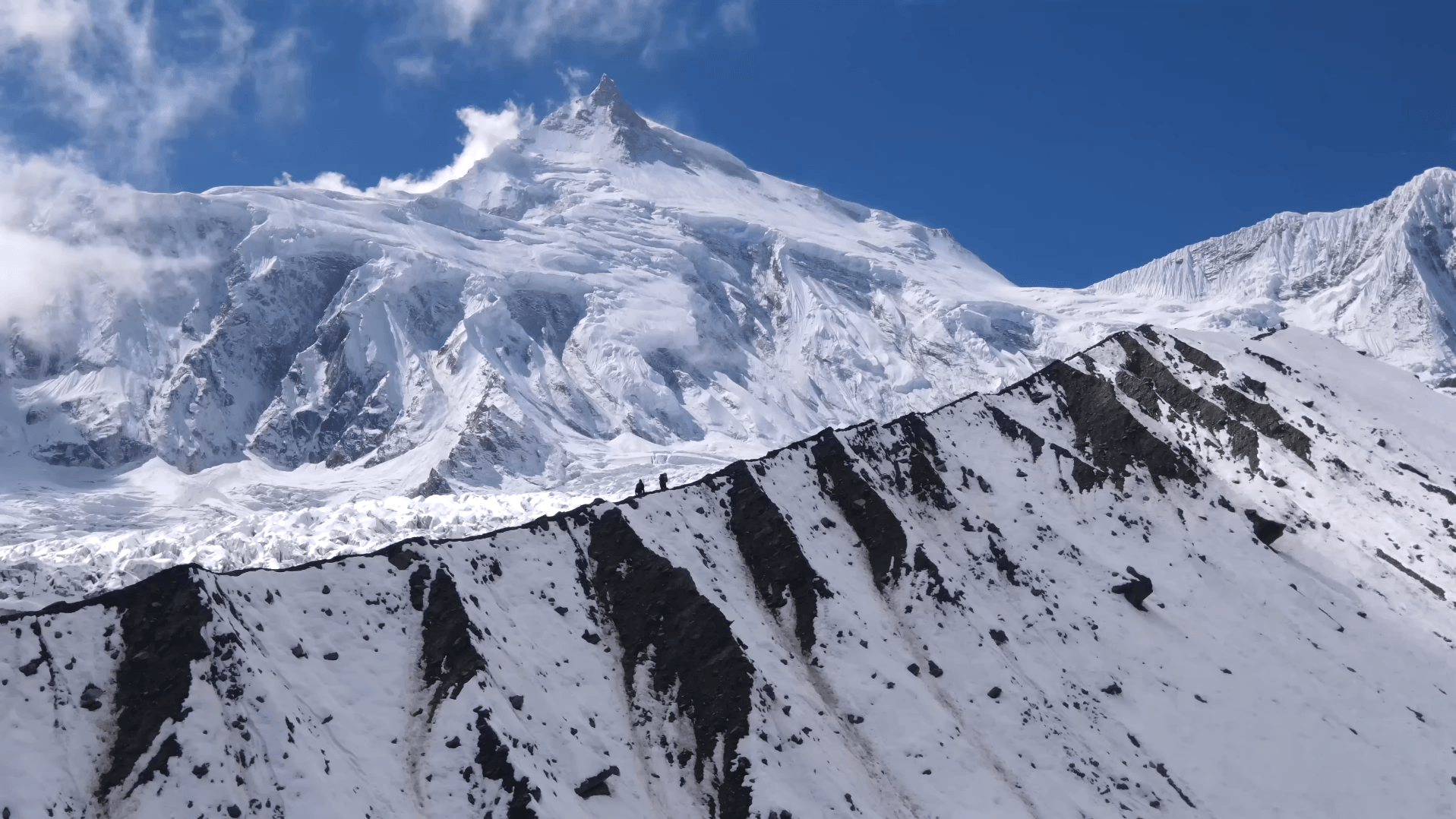
This creates a common planning mistake: judging the whole trek from Kathmandu weather or conditions at the trailhead.
You can have mild conditions around Machha Khola, cold mornings around Samagaon, much colder conditions at Samdo and Dharamshala, then wind, snow or changing visibility near Larkya La. A cloudy lower-route day also does not automatically mean poor pass conditions several days later.
For Manaslu, the useful question is not only, “What is Nepal’s weather like in October?” It is, “What conditions am I likely to meet at each elevation, and what could that mean when I reach Larkya La?”
Manaslu Circuit Trek Seasons at a Glance
| Factors | Spring | Autumn | Monsoon | Winter |
| Months | March to May | September to November | June to August | December to February |
| Weather | Increasingly mild | Generally most settled | Wet and humid lower down | Cold, with possible snow |
| Visibility | Good, more variable later | Usually strongest | Often restricted | Can be excellent between systems |
| Trail | Generally favorable | Generally favorable | Muddy and slippery | Ice and snow possible higher up |
| Larkya La | Often favorable, snow may remain early | Strongest overall window | Less dependable | Snow and ice can disrupt crossing |
| Crowds | Moderate to busy | Busiest, especially October | Low | Very low |
| Accommodation | Usually manageable | Greater peak demand | Quieter | Some services may be limited |
| Best for | Spring scenery | Most first-time trekkers | Flexible wet-season trekkers | Experienced cold-weather trekkers |
No season guarantees a successful pass crossing. Mountain weather remains variable even in the strongest months.
How Weather Changes With Elevation on the Manaslu Circuit
Lower Budhi Gandaki Valley
The lower trail can feel comparatively warm and humid. During monsoon, rain, mud, swollen streams and water-related trail problems matter most here.
In spring and autumn, the first trekking days can feel surprisingly warm compared with what comes later. Do not decide you packed too many warm layers before reaching the high route.
Namrung and Lho
As the route climbs, mornings and evenings become cooler. Autumn often brings crisp visibility, while spring has more active vegetation and rhododendrons in suitable forest sections.
Samagaon and Samdo
By Samagaon and Samdo, priorities shift toward acclimatization, sleep, altitude response, current weather, the route toward Dharamshala, and whether the group is moving strongly enough for pass day.
Thrill Himalaya’s standard route includes acclimatization before the pass rather than treating Dharamshala as a place to correct a rushed ascent.
Dharamshala and Larkya La
This is where season choice matters most. You are exposed to colder air, wind and possible snow or ice. Pass day starts early and includes a long ascent and substantial descent toward Bimthang.
A beautiful afternoon in Samagaon does not guarantee an easy crossing several days later. That is why our recommendations give so much weight to the top of the route.
Spring: Manaslu Circuit Trek in March, April and May
Spring is one of the two main trekking seasons. Lower and middle sections become warmer, vegetation becomes more active, and rhododendrons can add color to forested sections.
March
March is a transition out of winter. Lower sections warm first, while high areas may retain winter snow, especially earlier in the month. Residual snow around Larkya La should not be ruled out simply because spring has started.
March suits trekkers who want a quieter spring departure and accept more high-route uncertainty. The key question is the current snow and trail condition near Dharamshala and Larkya La, not whether Kathmandu already feels warm.
April
.webp)
April is our strongest spring recommendation.
Lower and middle elevations are generally comfortable, forested sections are active with spring vegetation, and the high route usually sits within a strong trekking window. April is not automatically cloud-free, but it gives the best overall spring balance for most people.
May
May is warmer and can still be excellent, particularly earlier in the month. The trade-off is increasing pre-monsoon influence. Cloud can build more frequently later in May, so mountain visibility may be less consistent than in peak autumn.
Choose May if warmer conditions and spring vegetation matter more to you than maximum visibility.
What spring means for a trekker
Spring gives a strong contrast between greener lower country and the austere high-altitude landscape around Samdo and Larkya La. Its main compromises are possible lingering snow in early March, increasing cloud later in spring, and growing lodge demand during popular April departures.
Choose spring if you want vegetation, prefer warmer lower sections, cannot travel in autumn, or prefer April’s balance over October’s busier trail.
For route and acclimatization details, see our Manaslu Circuit Trek 14-day itinerary.
Autumn: Manaslu Circuit Trek in September, October and November
Autumn is the strongest overall season for most Manaslu trekkers. After summer monsoon conditions recede, visibility usually improves, trails become more favorable, and the route enters its busiest period.
September
September is transitional. Early departures may still encounter rain, cloud, wet trail sections and less dependable views. Later September usually moves toward a clearer autumn pattern.
Late September can suit trekkers trying to arrive before October’s peak, but it carries more weather uncertainty than October.
October
October is the best overall month for most people.
It combines strong mountain visibility, generally favorable trail conditions, manageable daytime trekking and one of the strongest seasonal windows for Larkya La.
The disadvantage is popularity. On Manaslu, “busy” does not necessarily mean continuous crowds. The more important issue is concentration at overnight stops, especially where accommodation becomes limited higher on the route.
A trail can feel spacious during the day and still have lodge pressure when several groups reach the same small settlement. Dharamshala is the clearest example.
November
November remains excellent. Visibility can stay very good and trails are generally dry, but high-altitude temperatures become colder as the month progresses, especially at Samdo, Dharamshala and during the early start for Larkya La.
For trekkers who handle cold well, that is often a fair trade for a somewhat quieter atmosphere.
What autumn means for a trekker
The main advantage is relative consistency. Clearer mornings improve mountain-view opportunities, drier trails improve walking comfort, and the high route is usually approached during one of its strongest windows.
Verified Thrill Himalaya customer feedback also highlights Manaslu’s quiet trail character, mountain scenery and the value of knowledgeable, patient guiding. These are individual experiences, not survey data.
Choose autumn if this is your first Manaslu trek, photography is a priority, you have fixed travel dates, or you want the fewest seasonal compromises.
Monsoon: Manaslu Circuit Trek in June, July and August
Monsoon creates a very different trek. The problem is not only getting wet.
Rain can mean muddy and slippery trails, cloud-obscured mountain views, swollen streams, changing river conditions, landslide exposure in vulnerable terrain, and slower progress. These lower Budhi Gandaki issues can become major concerns before you even reach the high pass.
Larkya La should not be assessed from lower-valley rainfall alone, but cloud, reduced visibility and unsettled weather still make monsoon a weak default choice.
The advantages are low crowds and intensely green lower valleys. Consider monsoon only if you have flexible timing, accept itinerary changes, are comfortable walking for days in wet conditions, and value solitude more than clear panoramas.
For most international trekkers planning one Manaslu trip, another season is better.
Winter: Manaslu Circuit Trek in December, January and February
Winter is not automatically impossible. It is simply less forgiving.
The key distinction is between lower-route winter and high-altitude winter. A lower valley may remain walkable while Larkya La has snow or ice.
Expect colder mornings and nights, possible snow and ice, shorter useful daylight, very few trekkers, possible limitations in high-route accommodation, and greater dependence on actual pass conditions.
After significant snowfall, Larkya La may become difficult or unsuitable. Wind, cold, snow depth and trail definition all matter. A winter itinerary therefore needs flexibility.
Winter suits experienced trekkers, people comfortable with cold, travelers prioritizing solitude, and those willing to change plans if the pass is unsuitable. It is not our default recommendation for a first-time high-altitude trekker.
Larkya La Pass: The Seasonal Difference That Matters Most
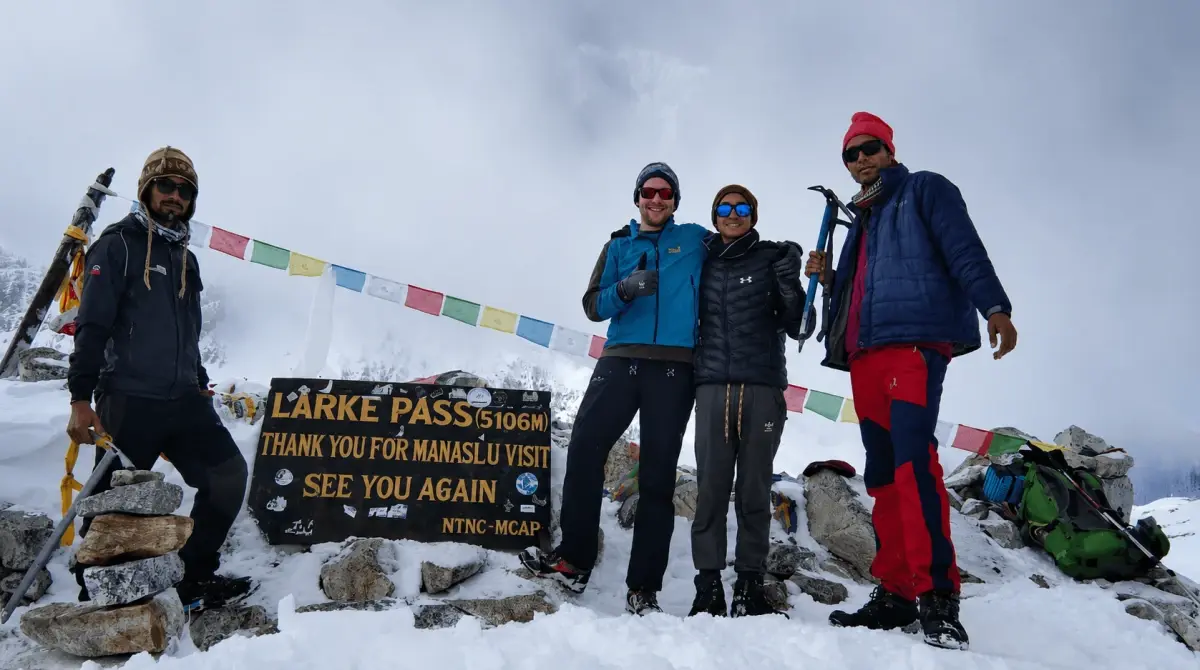
Larkya La is where a generic “best season in Nepal” article stops being useful. It is the physical and logistical crux of the Manaslu Circuit. Different references list slightly different elevations, but the practical point is the same: you are crossing an exposed Himalayan pass above 5,000 meters.
Why the crossing starts early
Pass day normally begins before sunrise. An early start provides more daylight for a long day and more margin for changing conditions before the descent toward Bimthang.
Pravin’s published Manaslu route guidance describes a pre-dawn departure from Dharamshala and identifies the pass as the route’s physical crux.
What an experienced guide evaluates
A pass decision should not depend on one weather-app icon. Important factors include:
-
Recent snowfall: Has new snow changed the route or slowed groups ahead?
-
Wind: Is exposed terrain becoming difficult?
-
Visibility: Can the route be followed confidently if cloud moves in?
-
Trail condition: Is there hard snow, ice, loose ground or a clear track?
-
Group condition: Is everyone moving at a realistic pace?
-
Altitude response: Is anyone showing symptoms that make further ascent inappropriate?
-
Departure time: Is enough daylight and flexibility being preserved?
-
Local information: What are guides, lodges and groups coming from the other direction reporting?
The pass is not finished at the high point. The descent toward Bimthang is a major part of the day, and tired legs plus changing snow or trail surfaces can make descending as important as ascending.
For more preparation context, read How Difficult Is Manaslu Circuit Trek?.
Dharamshala Before Larkya La Pass: What Actually Changes Here
Dharamshala, also written Dharamsala or Dharmasala and often called Larkya Phedi, is a staging point for Larkya La, not simply another teahouse night.
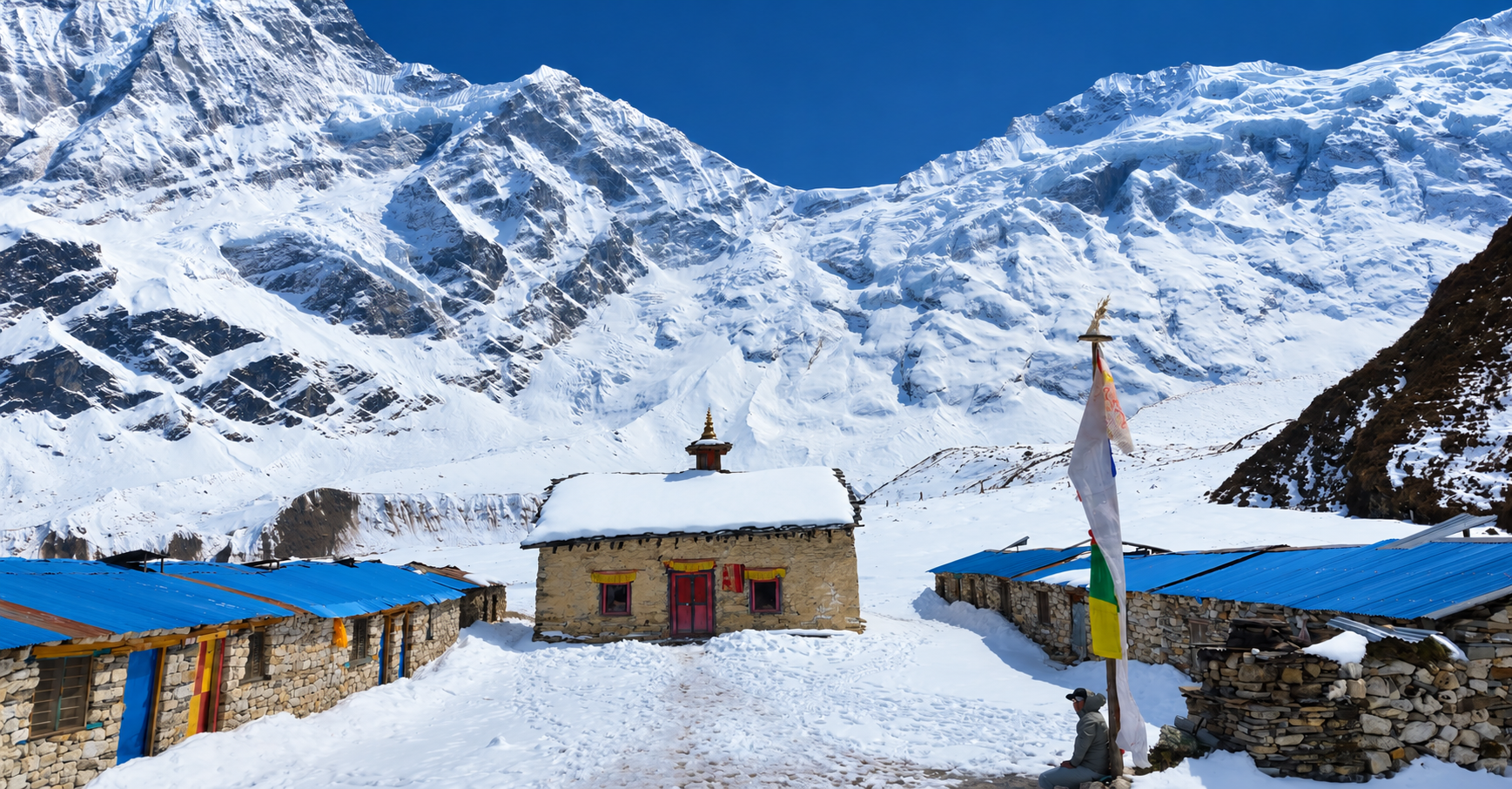
1. Accommodation pressure becomes more noticeable
Manaslu can feel quiet during the day even in peak season, but groups following similar itineraries converge at Dharamshala before the pass.
The practical issue is not only total trekker numbers. It is how many people need limited high-altitude accommodation at roughly the same time. October gives the strongest overall seasonal balance, but lodge demand is one of its trade-offs.
2. The temperature shift matters
Trekkers who felt comfortable lower down can be surprised by the colder evening at Dharamshala. You are higher, more exposed and preparing to leave before sunrise. This is when warm layers, gloves, a hat and a suitable sleeping bag become especially important.
3. The conversation changes
Earlier in the trek, people talk about villages, food and scenery. At Dharamshala, attention turns to the next morning: departure time, clothing, headlamp, water, pace, altitude symptoms and what happens if conditions change.
That psychological shift is part of the Manaslu experience.
4. The guide briefing matters more than usual
A useful briefing should cover departure time, breakfast, clothing, water, headlamp, pace, group movement, expected breaks, symptoms that must be reported, and what happens if conditions are unsuitable.
The goal is not to frighten people. It is to remove avoidable uncertainty before bed.
5. Dharamshala cannot repair poor acclimatization
Good pass preparation starts earlier at Samagaon and Samdo. If someone reaches Dharamshala already struggling significantly with altitude, the correct response is not automatically to continue because Larkya La is “only one day away.”
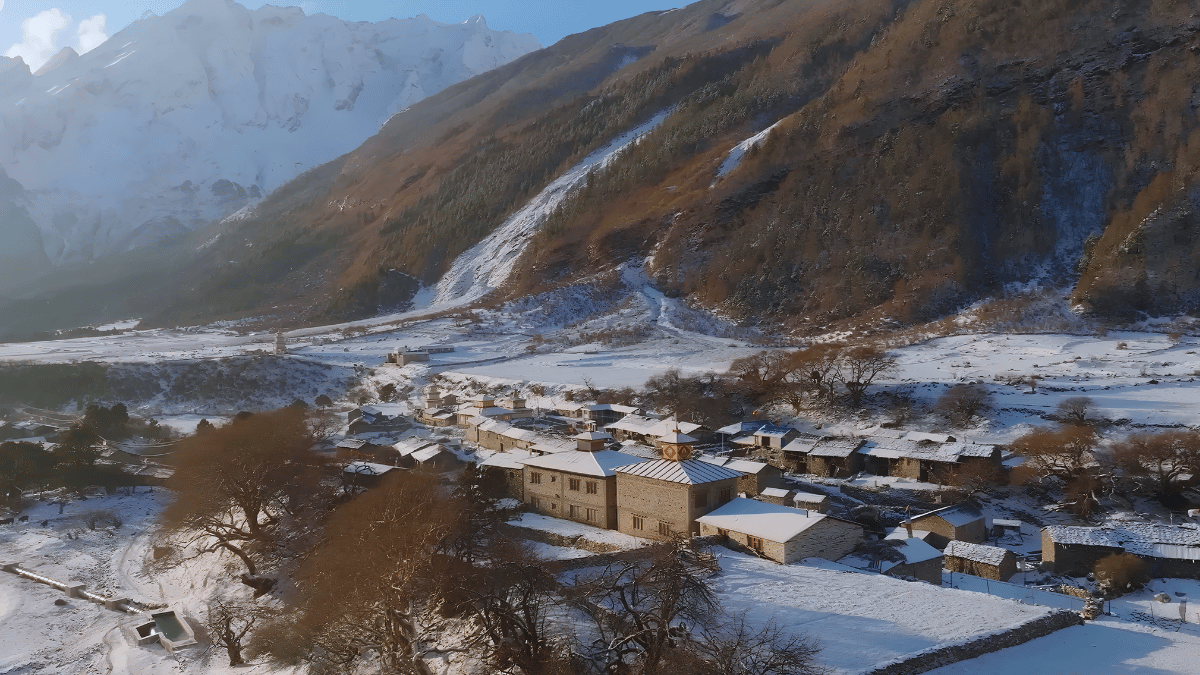
Pravin’s published guidance also warns against compressing the itinerary before the high section. You want to reach Dharamshala acclimatized, rested and with the best weather margin your dates can reasonably provide.
Manaslu Circuit Trek Weather and Conditions Month by Month
January
Deep winter on the high route. Lower sections may remain walkable, but snow and ice around Larkya La can decide the trip. Crowds are very low.
Best for: experienced winter trekkers with flexible dates.
February
Still winter at high altitude. Later February can begin transitioning, but do not assume spring conditions near the pass simply because days are longer.
Best for: experienced trekkers who can adapt to current snow conditions.
March
Spring begins lower down while high areas can retain winter snow. Early March requires more attention to recent Larkya La conditions.
Best for: trekkers wanting early spring with some high-route uncertainty.
April
The best spring month for most trekkers. Lower and middle sections are comfortable, vegetation is active, and the high route is normally within a strong trekking window.
Best for: the best overall spring balance.
May
Still viable, especially early in the month. Warmer lower elevations are attractive, but pre-monsoon cloud becomes more relevant later.
Best for: warmer spring trekking over maximum visibility.
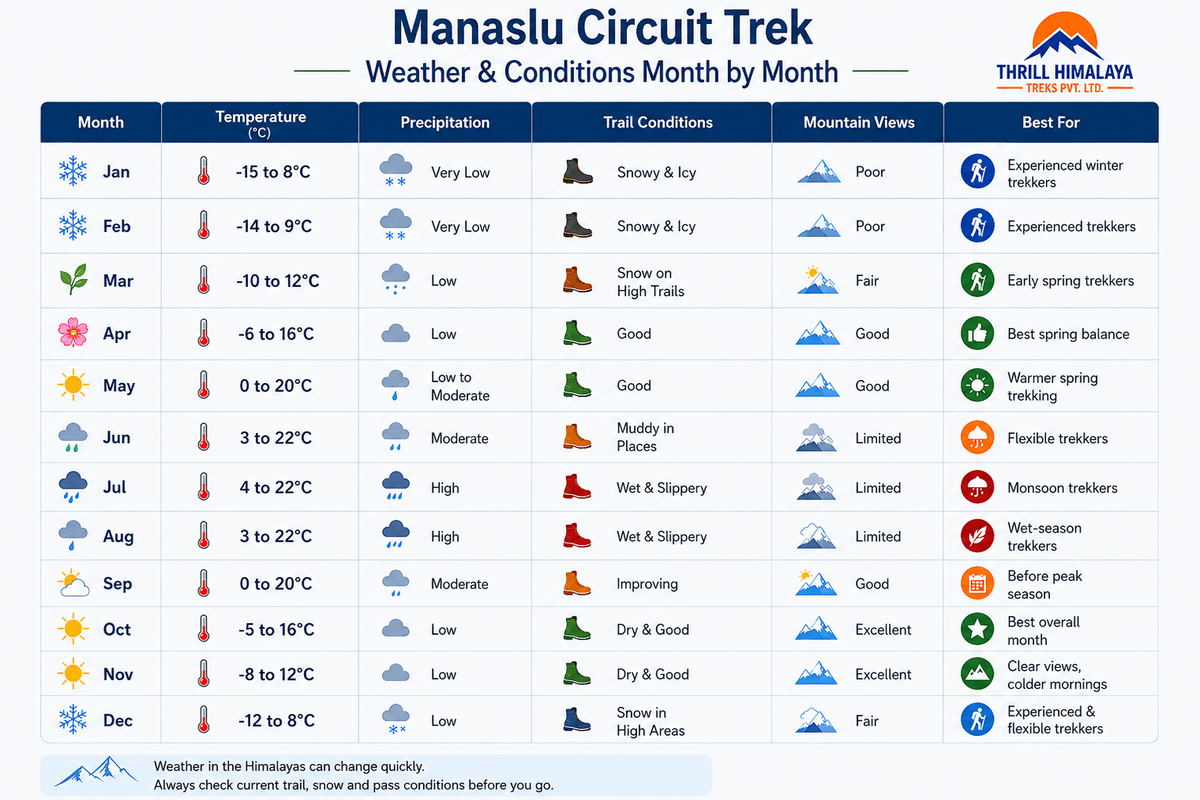
June
Monsoon influence increases. Lower trails can become muddy and cloud can reduce mountain views.
Best for: flexible trekkers comfortable with wet conditions.
July
Core monsoon. Expect wet trails, reduced visibility and greater concern about landslides, streams and access.
Best for: travelers deliberately choosing a monsoon trek.
August
Still monsoon. Green landscapes and quiet trails are the advantages, while rain and trail uncertainty remain significant.
Best for: highly flexible wet-season trekkers.
September
A transition month. Early September can retain monsoon conditions; later September usually moves toward clearer autumn weather.
Best for: trekkers wanting to arrive before peak October.
October
Best overall month. Strong combination of visibility, generally settled weather, favorable trails and good Larkya La timing. The downside is lodge demand.
Best for: most trekkers and first-time Manaslu visitors.
November
Excellent alternative to October. Views can remain strong and trails dry, but high-altitude cold increases later in the month.
Best for: trekkers who prioritize clear views and tolerate colder mornings.
December
Transition into winter. Early December can sometimes work well, but high-altitude cold and snow risk increase as the month develops.
In recent years, warmer conditions associated with climate change have also made parts of December increasingly viable in some seasons, particularly early to mid-December when snowfall is limited and Larkya La remains in good condition. This does not make December as consistently reliable as October, November or April. Himalayan weather varies from year to year, and a single snowfall can quickly change conditions at Dharamshala and Larkya La. Trekkers considering December should therefore judge it by current snow, trail and pass conditions rather than assuming traditional winter patterns will apply every year.
Best for: experienced, flexible trekkers, particularly in early to mid-December when current Larkya La conditions are favorable.
Autumn vs Spring: Which Is Better?
| Factor | Autumn | Spring |
| Weather consistency | Advantage | Good |
| Mountain visibility | Usually stronger | Good, more variable later |
| Vegetation | Good | Stronger |
| Rhododendrons | Limited | Advantage |
| Crowds | Higher, especially October | Usually lower |
| Accommodation pressure | Higher | Moderate |
| Larkya La window | Excellent | Excellent |
| Best for first Manaslu trek | Autumn | Strong alternative |
Choose autumn if clear mountain views and a comparatively predictable trekking window matter most. Choose spring if you value vegetation, warmer lower-route conditions and somewhat less peak-season pressure.
For two similar first-time trekkers, we would normally give October a slight advantage over April. But if the October traveler strongly dislikes busy lodges and the April traveler values spring scenery, April may be the better personal choice.
What Our Guides Recommend for Different Types of Trekkers
-
First-time Manaslu trekker: October.
-
Photographer: October or November.
-
Dislikes peak crowds: Late September, November or April.
-
Wants spring vegetation: April.
-
Handles cold well: November.
-
Has little schedule flexibility: October or April rather than winter or monsoon.
-
Experienced trekker seeking solitude: Winter, with flexible dates and current Larkya La information.
Seasonal Packing and Preparation
Do not pack only for the temperature at the start. Manaslu crosses several climatic zones.
Spring: Use layers. Lower afternoons can feel mild while mornings near Samdo and the pass remain cold. Carry waterproof protection, especially later in spring.
Autumn: Bring serious high-altitude layers even if the lower route feels comfortable. November requires more attention to gloves, insulation and sleeping warmth.
Monsoon: Prioritize waterproof outerwear, pack protection, reliable footwear and a way to keep sleeping clothes dry.
Winter: Cold-weather insulation, gloves, head protection, warm sleeping equipment and suitable footwear become critical.
For broader preparation, see our complete Manaslu Circuit Trek guide.
Before You Fix Your Trek Dates
Before departure, confirm recent Larkya La trail conditions, recent snowfall, current Nepal weather, high-route teahouse availability, your acclimatization schedule, current permit requirements, and road or trail problems after unusual weather.
For permits, see our Manaslu Circuit Trek permits guide.
A Note From Thrill Himalaya’s Manaslu Experience
Pravin Baniya’s published account identifies more than a decade of guiding experience in the Nepal Himalaya, including Manaslu. His current route guidance emphasizes three points that directly influence our recommendation:
- Do not compress the itinerary carelessly before the high section
- Larkya La is the physical crux of the circuit
- October and November are his strongest overall seasonal recommendations, followed by April and May
We use that experience without manufacturing quotations or pretending conditions are identical every year.
Recent Manaslu clients have also described the trail as peaceful and less crowded and highlighted knowledgeable, patient guiding and smooth organization. These are individual experiences, not survey data. You can read more on our client reviews page.
-(1).webp)
Final Recommendation: Best Time for Manaslu Circuit Trek
If you want one answer, choose October.
It gives most trekkers the best balance of mountain visibility, trail conditions, generally settled weather and a strong seasonal window for Larkya La.
The cost is popularity. Expect more trekking groups and greater accommodation demand where the route funnels people into the same overnight stops.
November is the strongest autumn alternative if you accept colder conditions. It can provide excellent visibility while moving away from the October peak.
April is the strongest spring alternative if you prefer warmer lower-route trekking, rhododendron season and a different landscape character.
March and late September suit trekkers who accept transition-season uncertainty. Early May can also be good, while later May brings increasing pre-monsoon influence.
Winter is a specialist choice rather than an automatic no. Monsoon is possible rather than automatically unsafe, but it brings much more rain, trail and visibility uncertainty than most trekkers need to accept.
The key is simple: do not choose your Manaslu dates by looking only at Kathmandu temperatures or a generic Nepal weather chart.
Choose them by thinking forward to Samdo, Dharamshala and Larkya La Pass. That is where the difference between a theoretically good trekking month and the right month for the Manaslu Circuit Trek becomes clear.
If you are ready to compare dates, itinerary length and acclimatization options, start with our Manaslu Circuit Trek 14 Days or explore trips in the Manaslu region.
Frequently Asked Questions
What is the best time for Manaslu Circuit Trek?
The best time for Manaslu Circuit Trek is generally late September through November, followed by March through May. October gives the strongest overall balance for most trekkers.
Which month is best for Manaslu Circuit Trek?
October is the best overall month because it combines strong visibility, generally favorable trail conditions and one of the best seasonal windows for Larkya La. November and April are the strongest alternatives.
Is October good for Manaslu Circuit Trek?
Yes. October is our top recommendation. The trade-off is more trekkers and greater accommodation demand at limited high-altitude stops.
Is November good for Manaslu Circuit Trek?
Yes. November often provides excellent visibility and dry trails, but it becomes colder around Samdo, Dharamshala and Larkya La as the month progresses.
Is September good for Manaslu Circuit Trek?
Yes, especially later in the month. Early September can still be affected by monsoon conditions.
Is March good for Manaslu Circuit Trek?
Yes, particularly later in March. Lingering winter snow around Larkya La remains the main consideration.
Is April good for Manaslu Circuit Trek?
Yes. April is our strongest spring recommendation because it balances vegetation, comfortable lower-route trekking and favorable high-route timing.
Is May good for Manaslu Circuit Trek?
Yes, especially earlier in May. Later May can bring increasing pre-monsoon cloud and less consistent mountain visibility.
Can I trek Manaslu Circuit in winter?
Yes, but winter requires stronger cold-weather preparation, experience and flexibility. Heavy snow can make Larkya La difficult or unsuitable even when lower sections remain walkable.
Can I trek Manaslu Circuit during monsoon?
Yes, but June through August is not our normal recommendation for a first Manaslu trip. Rain, mud, landslide exposure, cloud and reduced visibility create more uncertainty.
What is Larkya La Pass like in autumn?
Autumn generally provides one of the strongest seasonal windows. October combines favorable weather and visibility, while November remains excellent but colder.
What is Dharamshala like before Larkya La Pass?
Dharamshala is a basic high-altitude staging point. The evening centers on organizing layers and headlamps, checking how everyone feels, receiving the guide briefing and preparing for a pre-dawn departure. Peak-season accommodation can be pressured when several groups converge there.
Is autumn better than spring for Manaslu Circuit Trek?
For most first-time trekkers, autumn has a slight advantage because visibility and overall weather consistency are generally stronger. Spring is excellent for warmer lower elevations, vegetation and somewhat lower peak pressure.
Which season is best for first-time trekkers?
Autumn, particularly October, is generally the best choice because it adds fewer seasonal complications to an already demanding high-altitude trek.
Does good weather in Samagaon mean Larkya La will be clear?
No. Conditions change with elevation and mountain weather can change quickly. Treat the pass as a separate high-altitude environment and follow current local information and your guide’s assessment.
Does Larkya La close in winter?
It can become unsuitable or effectively impassable after heavy snowfall, but it is inaccurate to say it automatically closes for the whole winter. Conditions vary.
Do I need a guide for the Manaslu Circuit?
Yes. Manaslu passes through a restricted area and current permit and guide requirements apply. Confirm current regulations before departure rather than relying on an outdated article.
For the latest official requirements, see the Nepal Tourism Board's TIMS Card information, which lists Manaslu Circuit Trek among the Manaslu routes requiring a licensed trekking guide and agency-issued TIMS Card.
You can also verify the Department of Immigration's current Manaslu trekking permit information.