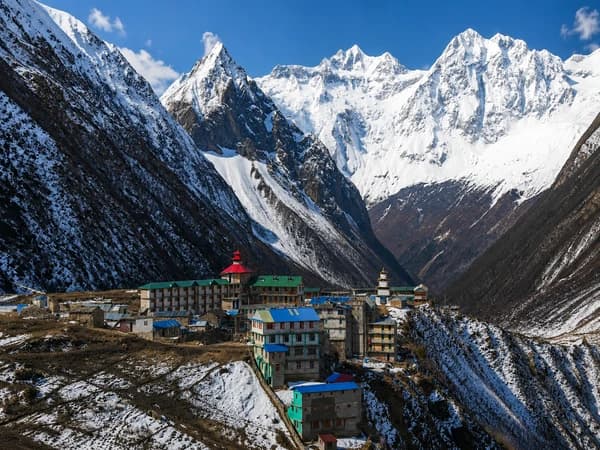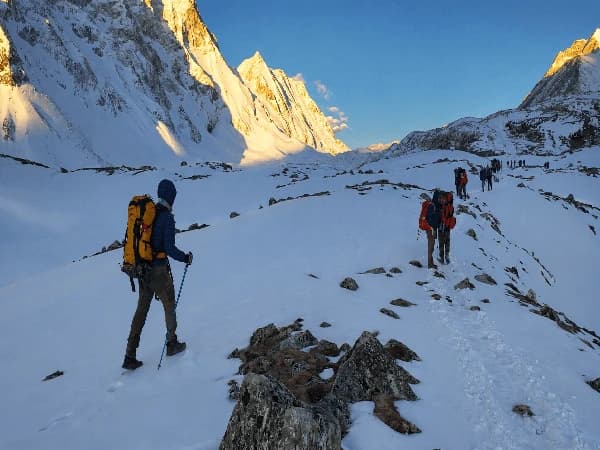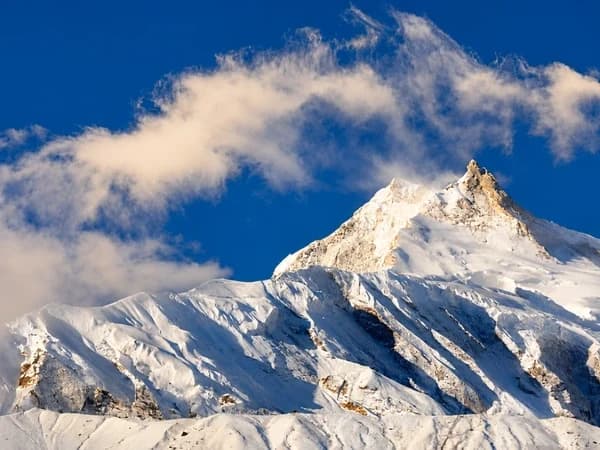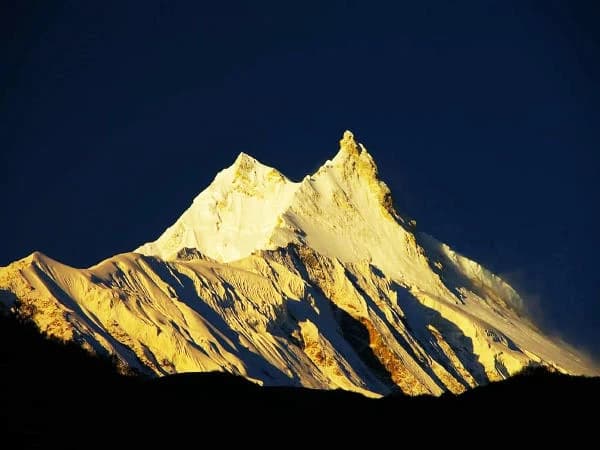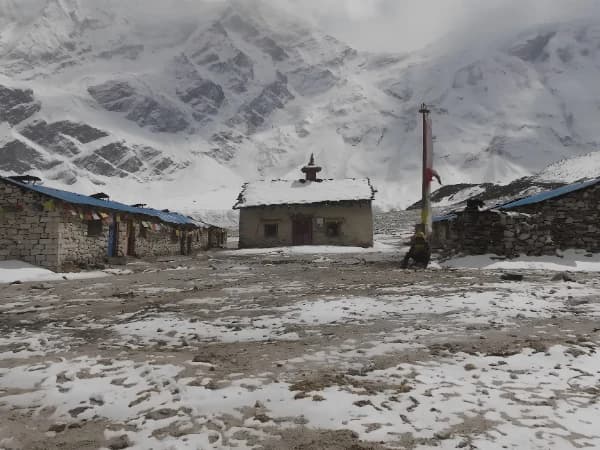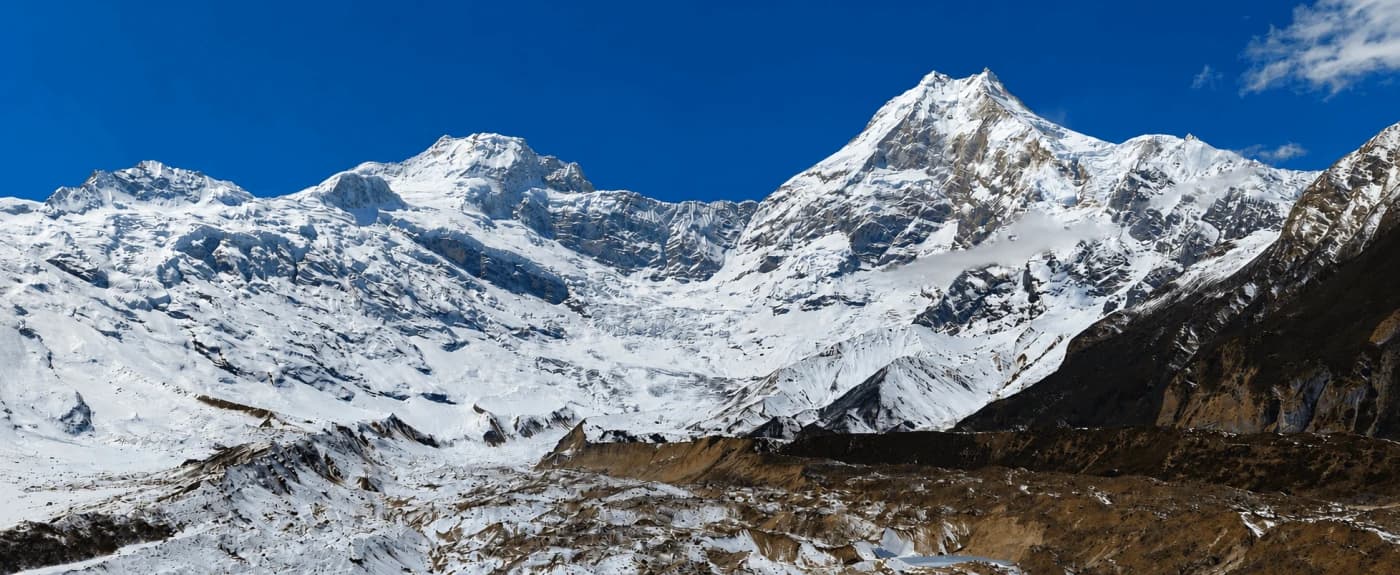
The Manaslu Circuit Trek is one of the last true off-the-beaten-path treks in Nepal. It circles the world's eighth-highest mountain through forests, terraced villages, and high alpine desert before crossing Larkya La Pass at 5,160 meters. Unlike the Everest and Annapurna regions, Manaslu still feels wild. You will share the trail with mule trains and local farmers rather than crowds of trekkers.
At Thrill Himalaya, we have guided trekkers through the Manaslu region for years, and we built this Manaslu Circuit Trek guide to answer the questions we get asked most: how hard is it, what permits do you need, how much does it cost, and when should you go. Whether you are comparing the Manaslu trekking route to Annapurna or planning your first restricted-area trek in Nepal, this guide covers the complete picture.
The Manaslu Circuit Trek typically takes 10 to 14 days and covers 150 to 177 km depending on your itinerary, reaching a maximum altitude of 5,160 m at Larkya La Pass. It requires a Manaslu Restricted Area Permit, a Manaslu Conservation Area Permit (MCAP), and an Annapurna Conservation Area Permit (ACAP), plus a licensed guide. Total cost usually falls between USD 1,200 and USD 2,000 depending on trip length and group size. The best time for Manaslu Circuit Trek is spring (March to May) and autumn (September to November).
Why Trek the Manaslu Circuit Trek Nepal Route
The Manaslu Circuit Trek Nepal route sits in the Gorkha and Manang districts, tracing the Budhi Gandaki River valley up to the base of Mt. Manaslu (8,163 m) before crossing into the Marsyangdi valley near Manang. Because it has been a restricted area since it opened to trekkers in the early 1990s, visitor numbers stay low, and the villages along the trail have kept their Tibetan-influenced culture largely intact.
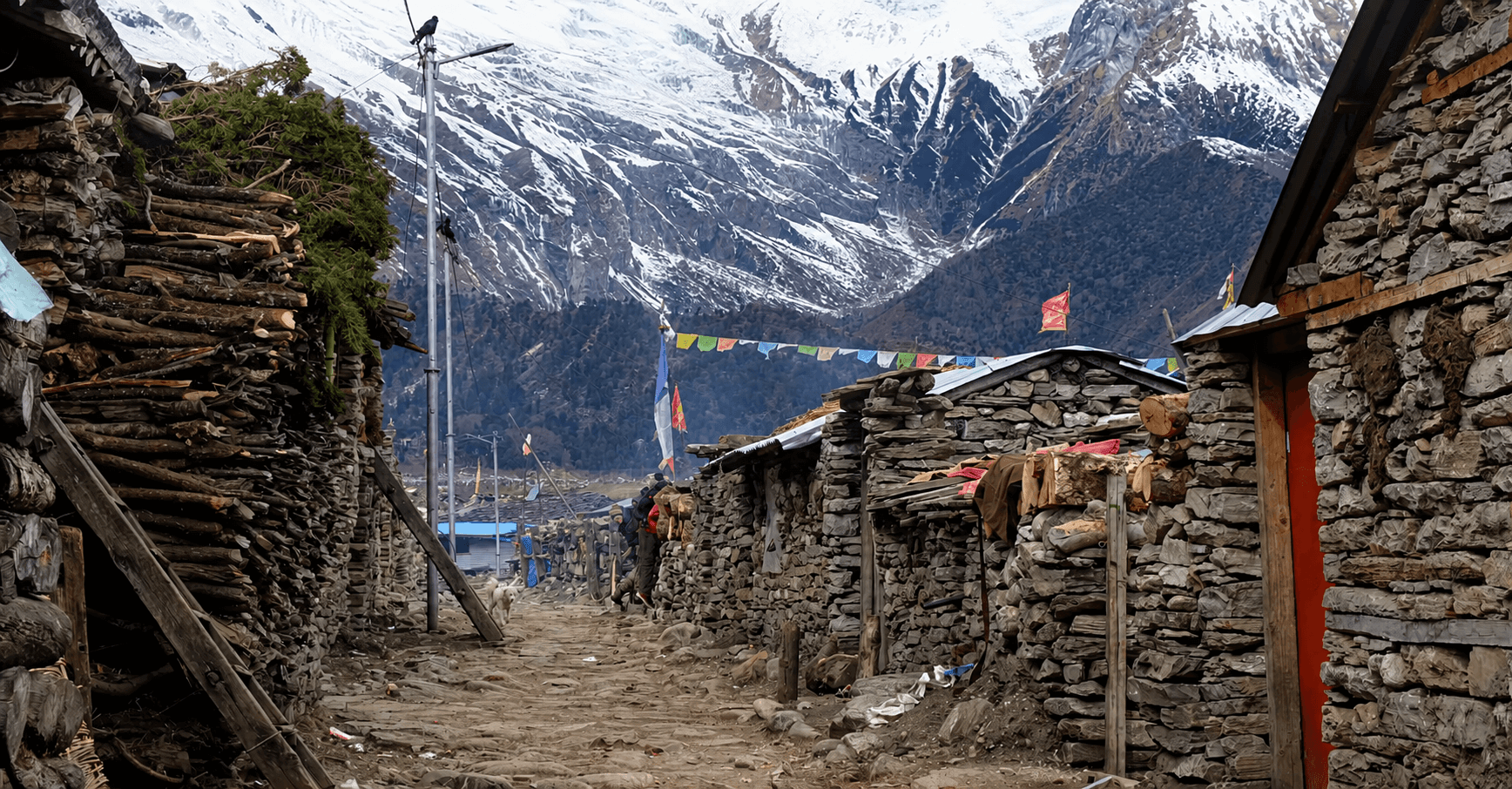
- Close-up views of Manaslu, Himlung Himal, and Annapurna II
- Tibetan Buddhist villages such as Samagaon and Samdo
- A genuine off-the-beaten-path trek in Nepal with far fewer trekkers than Everest or Annapurna
- The Larkya La Pass crossing, one of the most rewarding high passes in the Himalaya
Manaslu Circuit Trek Complete Itinerary
Below is our standard Manaslu Circuit Trek itinerary. We can adjust the pace, add rest days, or combine it with Tsum Valley depending on your fitness and time available.
.webp)
How Many Days for Manaslu Circuit Trek
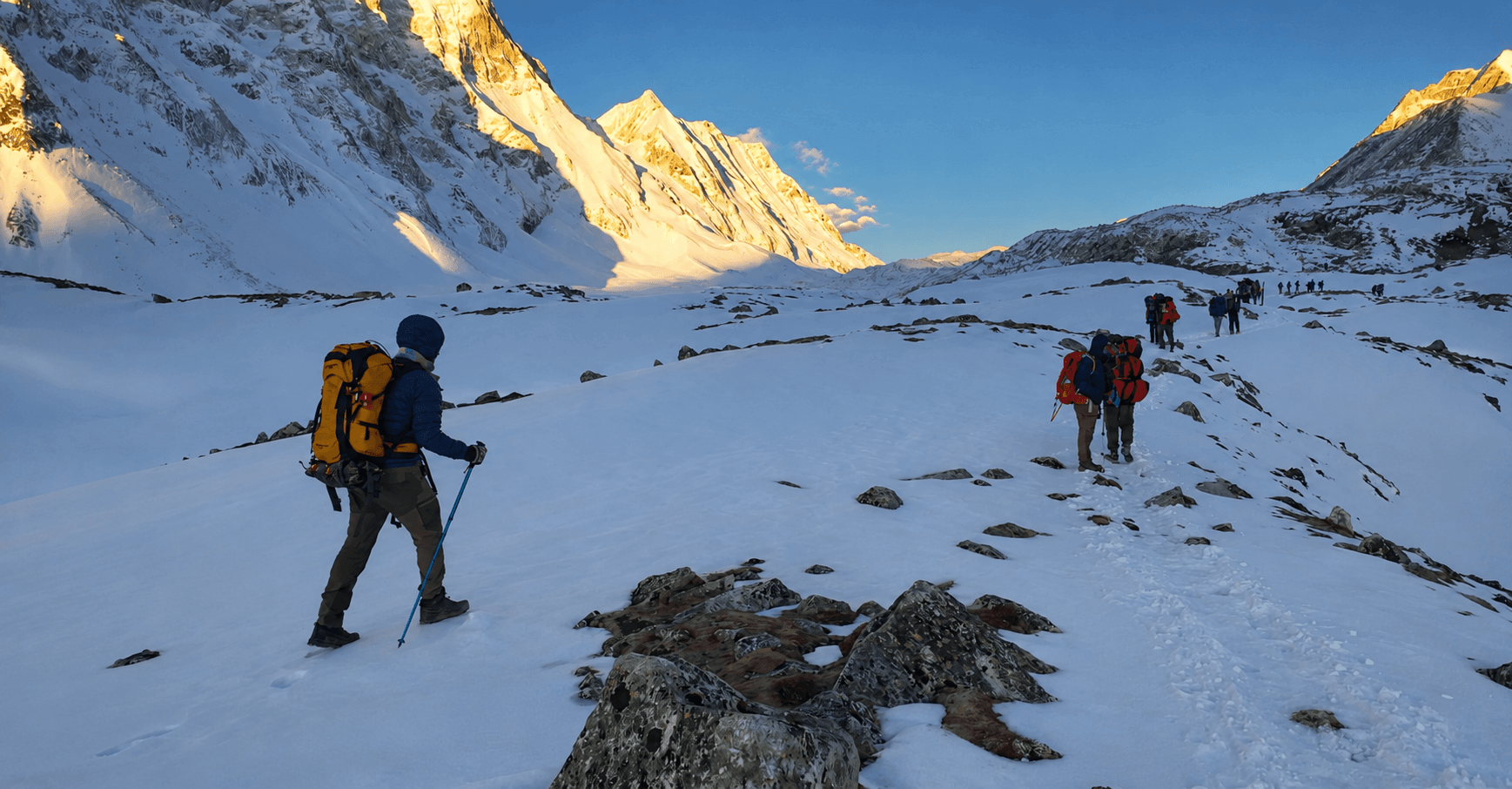
Most trekkers ask how many days for Manaslu Circuit Trek is realistic. Our standard package runs 14 days from Kathmandu to Kathmandu, including two acclimatization days. Fit trekkers with prior high-altitude experience can shorten this to a 10 or 12-day version, but we do not recommend cutting acclimatization days to save time.
|
Day |
Route |
Altitude |
|
1 |
Drive Kathmandu to Machha Khola |
930 m |
|
2 |
Machha Khola to Jagat |
1,340 m |
|
3 |
Jagat to Deng |
1,860 m |
|
4 |
Deng to Namrung |
2,630 m |
|
5 |
Namrung to Samagaon |
3,530 m |
|
6 |
Acclimatization day in Samagaon (side hike to Manaslu Base Camp or Birendra Lake) |
3,530 m |
|
7 |
Samagaon to Samdo |
3,875 m |
|
8 |
Acclimatization day in Samdo |
3,875 m |
|
9 |
Samdo to Dharamsala (Larkya Phedi) |
4,470 m |
|
10 |
Cross Larkya La Pass to Bimthang |
5,160 m / 3,720 m |
|
11 |
Bimthang to Dharapani |
1,860 m |
|
12 |
Drive Dharapani to Kathmandu (via Besisahar) |
1,400 m |
This is a sample framework. Contact us for the exact day-by-day plan matched to your dates and fitness level.
Manaslu Trek Permits: What You Actually Need
Manaslu trek permits are the part most first-time trekkers get confused about, since this is a restricted area rather than a standard national park trek. You cannot trek here independently without going through a registered agency.
Manaslu Restricted Area Permit
The Manaslu restricted area permit is issued only through a licensed trekking agency, and a government-licensed guide is mandatory for the entire route. As of March 2026, the Nepal government removed the previous two-person minimum group requirement, so solo trekkers can now legally join with just one licensed guide. This makes the Manaslu Circuit Trek without guide route impossible under current rules; the permit itself cannot be issued for unguided trekking.
Manaslu Conservation Area Permit and ACAP
In addition to the restricted area permit, you need a Manaslu Conservation Area Permit (MCAP) for the Manaslu side of the route and an Annapurna Conservation Area Permit (ACAP) for the final stretch after Larkya La Pass, since the trail exits into the Annapurna Conservation Area near Dharapani.
Manaslu Circuit Trek Permit Cost
|
Permit |
Season |
Cost (approx.) |
|
Manaslu Restricted Area Permit |
September to November |
USD 100 per person for first 7 days, USD 15/day after |
|
Manaslu Restricted Area Permit |
December to August |
USD 75 per person for first 7 days, USD 10/day after |
|
Manaslu Conservation Area Permit (MCAP) |
Year-round |
NPR 3,000 per person |
|
Annapurna Conservation Area Permit (ACAP) |
Year-round |
NPR 3,000 per person |
A TIMS card is no longer required for the Manaslu region, and a Chumnubri Rural Municipality fee is collected locally at Jagat. We handle all permit paperwork for our clients as part of every package, so you only need to send us your passport details in advance.
Manaslu Trek Cost: What Your Money Covers
Manaslu trek cost varies by group size, trip length, and level of comfort. As a rough guide, a standard 14-day package with Thrill Himalaya typically includes:
- All permits (Restricted Area Permit, MCAP, ACAP)
- Government-licensed guide and porter
- Teahouse accommodation and three meals a day on trek
- Ground transport from Kathmandu to the trailhead and back
- Complimentary sleeping bag and down jacket
Costs that are usually excluded: international flights, Nepal visa fees, personal travel insurance, tips, and personal expenses like snacks, hot showers, and device charging at teahouses. Get in touch with us for a detailed, current quote based on your group size and dates; pricing shifts with permit fees and season.
.webp)
Manaslu Circuit Trek Difficulty
How Difficult Is Manaslu Circuit Trek
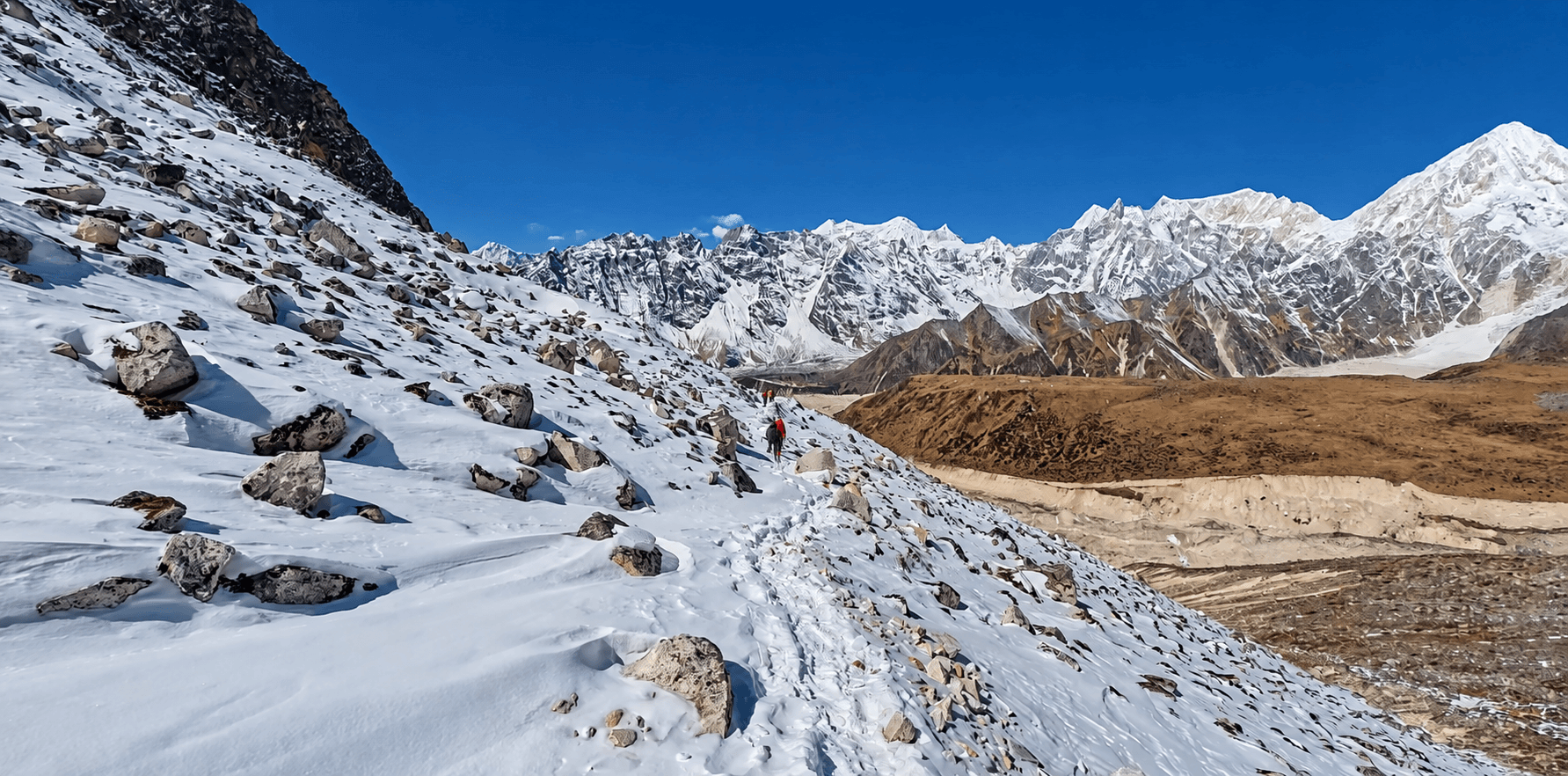
Manaslu Circuit Trek difficulty sits at moderate to challenging. It is not a technical climb, but the combination of long trekking days, remote terrain, and the Larkya La Pass crossing at 5,160 m makes it harder than most standard teahouse treks in Nepal.
- Daily walking: 5 to 7 hours on most days, occasionally longer
- Terrain: Steep river gorges, landslide-prone sections near Jagat and Deng, and exposed high-altitude trail near the pass
- Altitude: Manaslu Circuit Trek altitude and distance combine to create real physical demand, gaining over 4,000 m of elevation across the trek
- Fitness needed: Good cardiovascular fitness and prior multi-day hiking experience are strongly recommended
We are honest with our clients: if you have never trekked above 3,000 m before, Manaslu is doable, but you should train for at least two to three months beforehand with regular hiking, stair climbing, or cardio.
How to Prepare for Manaslu Circuit Trek
- Build cardiovascular endurance with hiking, running, or cycling three to four times a week
- Practice multi-day hikes carrying a loaded daypack
- Break in your trekking boots well before departure
- Read up on altitude sickness symptoms and prevention
- Get a medical check-up if you have any pre-existing heart or lung conditions
Best Time for Manaslu Circuit Trek
Best Season to Trek Manaslu Circuit
The best time for Manaslu Circuit Trek is spring (March to May) and autumn (September to November).
|
Season |
Conditions |
|
Spring (Mar–May) |
Mild temperatures, rhododendron blooms lower down, clear mountain views |
|
Autumn (Sep–Nov) |
The most popular season: stable weather, crisp visibility, comfortable daytime temperatures |
|
Winter (Dec–Feb) |
Cold and quiet, Larkya La Pass may be snowbound and require extra caution or closure |
|
Monsoon (Jun–Aug) |
Wet, leech-prone lower trail, landslide risk; generally not recommended |
Manaslu Circuit Trek Packing List
What to Pack for Manaslu Circuit Trek
- Layers: moisture-wicking base layers, fleece or down mid-layer, waterproof outer shell
- Footwear: broken-in waterproof trekking boots, camp shoes, wool socks
- Sleep system: a four-season sleeping bag (we provide this as part of our package)
- Accessories: sun hat, warm hat, gloves, sunglasses with UV protection, buff or scarf
- Health: personal first-aid kit, diamox (consult your doctor), water purification tablets or filter, blister care
- Gear: headtorch, trekking poles, dry bags, power bank
- Documents: passport copies, passport photos for permits, travel insurance details
Full Manaslu Circuit Trek packing list details, including seasonal adjustments, are included in the pre-departure information we send every client.
Manaslu Circuit Trek Acclimatization and Altitude Sickness
Managing Manaslu Circuit Trek Altitude Sickness Risk
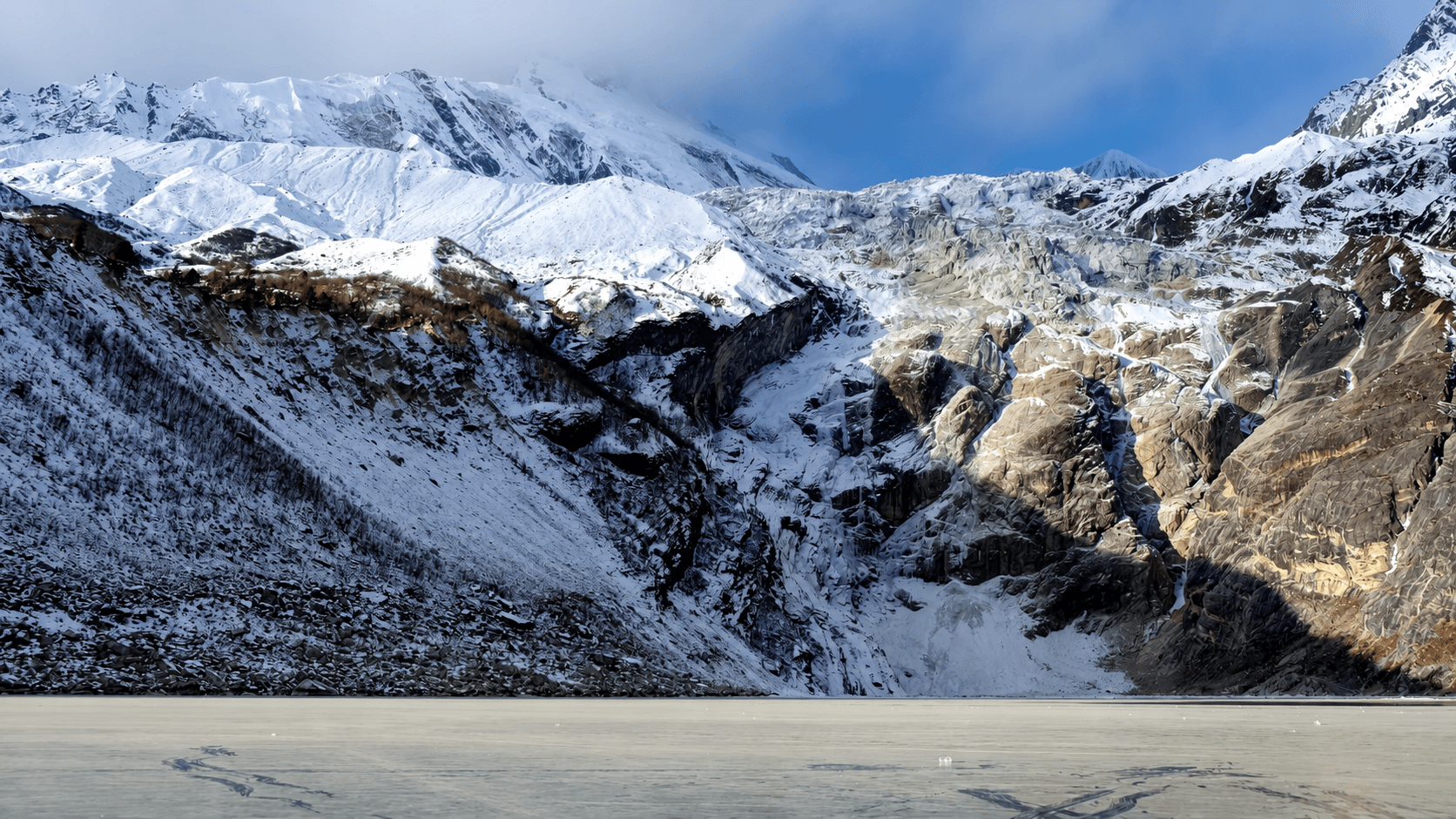
Manaslu Circuit Trek acclimatization matters most between Samagaon (3,530 m) and the Larkya La Pass crossing (5,160 m), where altitude gain is steepest. Our itinerary builds in two acclimatization days, at Samagaon and Samdo, with short side hikes to help your body adjust before the pass.
- Walk slowly and follow the "climb high, sleep low" principle wherever possible
- Drink 3 to 4 liters of water daily
- Avoid alcohol and sleeping pills above 3,000 m
- Know the early symptoms of altitude sickness: headache, nausea, dizziness, and loss of appetite
- Communicate any symptoms to your guide immediately; do not push through them
Manaslu Circuit Trek Safety Tips
Manaslu Circuit Trek safety tips we give every client:
- Always trek with a licensed guide, both because it is legally required and because route-finding and emergency response are genuinely harder here than on popular trails
- Carry a basic first-aid kit and know how to use it
- Confirm your travel insurance covers high-altitude trekking and helicopter evacuation up to at least 6,000 m
- Check weather and pass conditions with your guide before the Larkya La Pass crossing day
- Keep your phone or GPS device charged, and note that mobile signal is unreliable past Namrung
We build emergency evacuation planning into every trek, and our guides carry oximeters to monitor clients' oxygen levels daily above 3,000 m.
Manaslu Circuit Trek Tea Houses and Accommodation
Manaslu Circuit Trek tea houses have improved significantly over the past decade, though they remain simpler than those on the Everest or Annapurna trails. Expect basic twin rooms, shared squat or Western-style toilets, and simple dal bhat-based menus. Rooms above Samagaon can be cold, so a good sleeping bag is essential. Hot showers and Wi-Fi are available in most villages for a small extra fee.
Manaslu Circuit Trek Guide and Porter
Because this is a restricted area, a Manaslu Circuit Trek guide and porter team is not optional; it is a legal requirement tied to the permit. Beyond the legal side, a good guide adds real value: local knowledge of the trail, weather reading experience around the pass, and a direct line to emergency support if anything goes wrong. Our guides are government-certified by Nepal's Ministry of Culture, Tourism and Civil Aviation, and our lead guide, Pemba Sherpa, has years of first-hand experience on the Manaslu trekking route.
Manaslu Trek Route from Kathmandu
The standard Manaslu trek route from Kathmandu starts with a scenic but rough 7 to 8-hour drive to Machha Khola (or Soti Khola, depending on road conditions), following the Budhi Gandaki River upstream through Gorkha district. The return leg exits near Dharapani in the Manang district, connecting to the Annapurna road network back to Kathmandu via Besisahar, a drive of roughly 6 to 7 hours.
Manaslu Circuit Trek vs Annapurna Circuit
|
Factor |
Manaslu Circuit |
Annapurna Circuit |
|
Crowds |
Low, restricted area |
Moderate to high |
|
Permits |
Restricted Area Permit + MCAP + ACAP, guide mandatory |
ACAP + TIMS, guide optional |
|
Max altitude |
Larkya La Pass, 5,160 m |
Thorong La Pass, 5,416 m |
|
Infrastructure |
Basic teahouses, fewer road sections |
More developed, some jeep-accessible stretches |
|
Cultural experience |
Strong Tibetan-influenced villages, less touristy |
Varied, some sections more commercialized |
If you want a quieter, more remote experience and don't mind fewer amenities, Manaslu is the stronger choice. If you prefer more flexibility with independent trekking and slightly more developed infrastructure, Annapurna may suit you better.
Why Trek Manaslu Circuit with Thrill Himalaya
- Locally owned and operated agency based in Thamel, Kathmandu (NTB Reg. No. 3303/81/82, TAAN member)
- Government-certified guides, led by Pemba Sherpa
- Complimentary sleeping bag and down jacket for every trekker
- Small group sizes and 24/7 WhatsApp support throughout your trek
- Rated 5.0/5 on TripAdvisor Travelers' Choice 2026, ranked 66th of 2,561 Kathmandu outdoor activities
Frequently Asked Questions
How difficult is the Manaslu Circuit Trek?
It is moderate to challenging, involving long daily walks, remote terrain, and a high-altitude pass crossing at 5,160 m. Prior trekking experience and good fitness are recommended.
How many days does the Manaslu Circuit Trek take?
Most itineraries run 10 to 14 days from Kathmandu to Kathmandu. We recommend 14 days to allow proper acclimatization.
What is the Manaslu Circuit Trek permit cost?
Permit costs include the Restricted Area Permit (USD 75-100 for the first 7 days depending on season, plus a daily fee after), the Manaslu Conservation Area Permit, and the Annapurna Conservation Area Permit, both around NPR 3,000 each.
Can I do the Manaslu Circuit Trek without a guide?
No. The Manaslu Restricted Area Permit can only be issued through a licensed agency with a government-certified guide, so independent trekking is not permitted on this route.
What is the best season to trek Manaslu Circuit?
Spring (March to May) and autumn (September to November) offer the most stable weather and clearest mountain views.
What should I pack for the Manaslu Circuit Trek?
Layered clothing, a warm sleeping bag, broken-in trekking boots, sun protection, a personal first-aid kit, and altitude-sickness medication after consulting your doctor.
How does Manaslu Circuit Trek compare to Annapurna Circuit?
Manaslu is quieter, more remote, and requires a mandatory guide, while Annapurna has more developed infrastructure and can be trekked independently.