.webp&w=3840&q=75&dpl=dpl_8tVMsCCp6KPn1weGamAJsh55Bzvo)

The Manaslu Circuit Trek normally takes 10 to 14 days, and most trekkers who book with us as the sweet spot between safety and schedule. Shorter 10-day “express” versions exist, but they compress the acclimatization days around the Larkya La Pass (5,106m), which raises the risk of altitude sickness. If you have the vacation days to spare, 14 days gives your body the time it needs to adjust, and it gives you a far more enjoyable, less rushed trek through the Manaslu and Tsum Valley region.
If you’re planning the Manaslu Circuit Trek, the very first practical question you’ll run into isn’t “which trekking company” or “how much does it cost.” It’s simpler than that: how many days do I actually need?
We get this question from almost every trekker who contacts us, whether they’re writing from Australia, the UK, Singapore, or the US. And the honest answer is: it depends on your fitness, your acclimatization needs, and how much time you can take off work. But after many years of running Manaslu treks with government-certified guides, we can tell you clearly what works, what doesn’t, and why the 14-day version is what we recommend to most first-time high-altitude trekkers.
This guide breaks down every duration option honestly, including the trade-offs, so you can pick the itinerary that actually fits you, not just the one that fits a marketing brochure.
What Is the Standard Duration of Manaslu Circuit Trek?
The Manaslu Circuit Trek is a restricted-area trek in Nepal, which means the government requires you to trek with a licensed guide and hold the correct permits. That restriction has an upside: it keeps the trail far less crowded than the Everest or Annapurna regions, but it also means the itinerary structure is fairly fixed by geography and permit rules, not by marketing.
| Itinerary Type | Total Days | Trekking Days | Acclimatization Days | Best Suited For |
| Short Manaslu Trek | 10 days | 8–9 days | 1 day | Very fit, experienced high-altitude trekkers |
| Full Manaslu Circuit Trek (recommended) | 14 days | 11–12 days | 2–3 days | Most trekkers, including first-timers at altitude |
| Manaslu Circuit and Tsum Valley Combined | 18 days | 15–16 days | 3 days | Trekkers wanting a deeper cultural experience alongside the circuit |
A few things worth noting from this table. First, total days include your Kathmandu arrival and departure buffer, not just walking days. Second, the difference between the 10-day express version and the 14-day version usually isn’t extra distance, it’s extra acclimatization. You cover the same trail, you just give your lungs and blood oxygen more time to catch up.
14 Days vs 10 Days Manaslu Circuit Trek: Pros and Cons Compared
This is the comparison most trekkers actually care about, so let’s be direct about it.
| Factor | 14-Day Itinerary | 10-Day Express Itinerary |
| Acclimatization days | 2–3 dedicated rest/acclimatization days | Often just 1, sometimes combined with a short hike |
| Daily walking distance | Moderate, 4–7 hours average | Long, 6–9 hours on multiple days |
| Risk of altitude sickness | Lower, body adjusts gradually | Higher, especially above 3,500m |
| Flexibility for bad weather | Built-in buffer days | Little to no buffer, delays can cause missed flights |
| Physical demand | Moderate to challenging | Challenging to very challenging |
| Enjoyment / pace | Time to rest, take photos, interact with villages | Rushed, less time in each village |
| Cost | Slightly higher due to extra days of guide, porter, lodging | Slightly lower total cost |
| Suitability for first-timers | Yes, generally suitable | Only for experienced high-altitude trekkers |
Here’s the part most blogs won’t tell you plainly: a shorter itinerary doesn’t mean a shorter trek, it means a compressed one. You still cross the same Larkya La Pass at 5,106 metres. You still gain the same total elevation. The only thing that changes is how much time your body gets to adapt in between. That’s not a minor detail on a trek that reaches above 5,000 metres, it’s the single biggest safety factor on the entire route.
Why Acclimatization Matters More Than Speed on Manaslu Circuit
We say this to every client who asks about shortening their itinerary: speed is not the goal, safe acclimatization is.
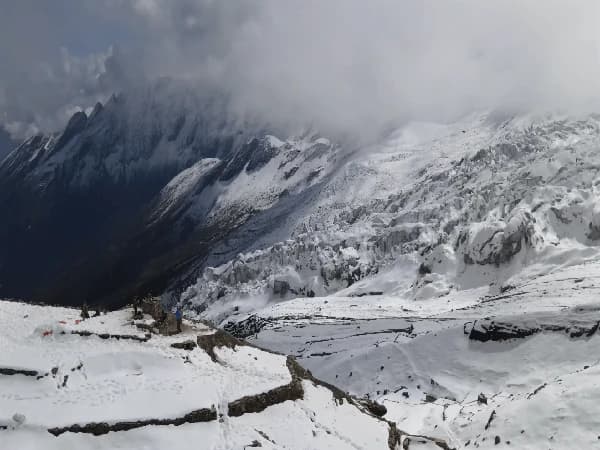
The Manaslu Circuit Trek climbs from around 700m in Kathmandu to 5,106m at Larkya La Pass. That’s a massive altitude gain, and your body needs time to increase red blood cell production and adjust to lower oxygen levels. The generally accepted rule among trekking doctors is to not increase sleeping altitude by more than 300–500m per day once above 3,000m, and to take a rest day every 3–4 days of ascent.
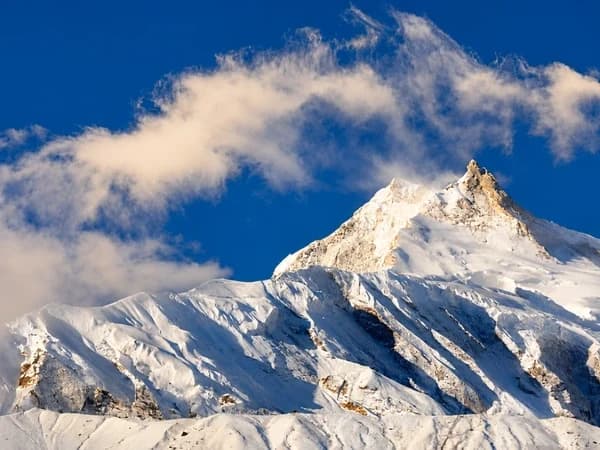
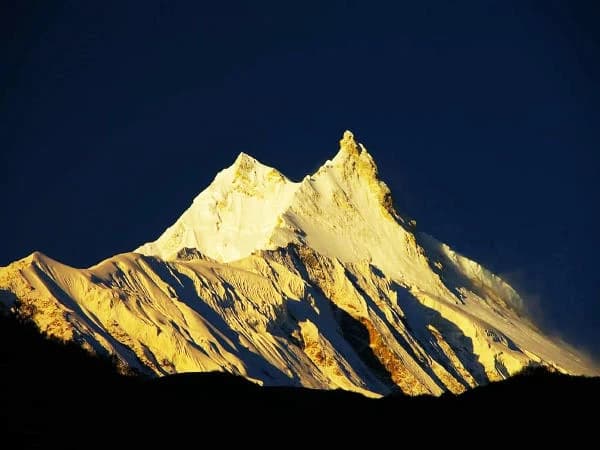
On the 14-day itinerary, this rule is respected. You get a proper acclimatization stop around Samagaon (3,530m), which also happens to be one of the most beautiful villages on the trek, with views of Manaslu itself. On a compressed 10-day version, that rest day is often cut or merged with a travel day, which means less time for your body to adjust before pushing higher toward Samdo and then the pass.
Altitude sickness (AMS) doesn’t care how fit you are. We’ve guided marathon runners who struggled at altitude and first-time trekkers who acclimatized just fine, because they gave their bodies the time to adjust. Fitness affects your stamina. Time affects your acclimatization. They are not the same thing, and no itinerary can substitute one for the other.
A few practical safety measures we build into every Manaslu trek, regardless of duration:
- Daily health checks by your guide, including basic symptom monitoring
- A clear “Dharamsala turnaround rule” for anyone showing signs of moderate AMS near the pass
- Guides trained to recognize early symptoms: headache, nausea, loss of appetite, disturbed sleep
- A slower pace above 3,500m even on “fast” itineraries
- Evacuation protocols and travel insurance verification before departure
Who Should Consider the Short 10-Day Short Manaslu Trek?
We’re not going to tell you the express version is never a good idea, because for the right trekker, it can be. The 10-day short Manaslu Circuit Trek may suit you if:
- You’ve completed at least one trek above 4,000m before without altitude issues
- You have a demonstrably strong cardiovascular fitness base (regular hiking, running, or endurance sport)
- You genuinely cannot take more than 10–12 days off work or travel
- You’re comfortable with a faster pace and longer daily walking hours
- You understand and accept the higher relative risk of altitude symptoms
Even then, we’d strongly recommend arriving in Kathmandu 1–2 days early to rest from your flight before starting, which effectively adds a buffer without cutting into your trekking permit days.
-(1).webp)
Who Should Choose the Full 14-Day Manaslu Circuit Trek?
For the majority of people who contact us, this is genuinely the better option, not just the “safer sounding” one.
The 14-day Manaslu Circuit Trek is the right call if:
- This is your first trek above 4,000–5,000 metres
- You want to actually enjoy the villages, monasteries, and mountain views rather than rush past them
- You’re trekking as a family, in a mixed-fitness group, or with older or younger members
- You want a genuine safety buffer in case of bad weather, illness, or fatigue
- You’d rather have 2 extra days in the mountains than 2 extra days in an office
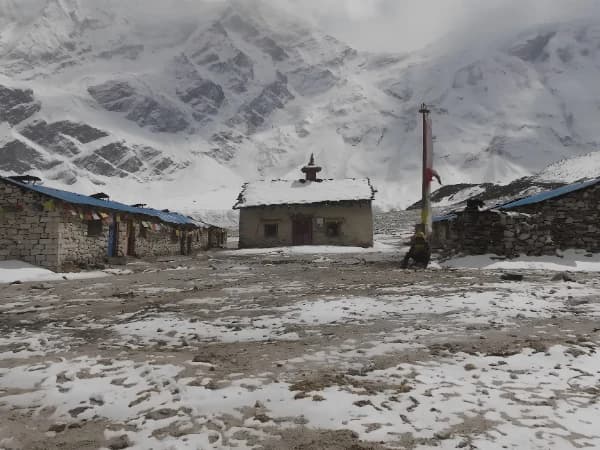
Something we tell every client honestly: the “extra” days on the 14-day itinerary aren’t wasted days. They’re spent in villages like Samagaon and Samdo, which are among the most scenic and culturally rich stops on the entire route. Trekkers on the rushed version often tell us afterward that they wished they’d had more time in exactly these places.
.webp)
Day-by-Day Duration Breakdown: 14-Day Manaslu Circuit Trek
Here’s a realistic look at how the days actually break down on our standard 14-day itinerary:
| Day | Route | Approx. Altitude | Notes |
| 1 | Kathmandu to Soti Khola | 1400m | Drive day, trek begins |
| 2 | Soti Khola to Machha Khola | 870m | Riverside trail |
| 3 | Machha Khola to Jagat | 1,340m | Chumnubri Rural Municipality Fee collected here |
| 4 | Jagat to Deng | 1,860m | Entering restricted area |
| 5 | Deng to Namrung | 2,630m | Steep sections begin |
| 6 | Namrung to Samagaon | 3,530m | First close views of Manaslu |
| 7 | Acclimatization day at Samagaon | 3,540m | Short hike to Manaslu Base Camp viewpoint |
| 8 | Samagaon to Samdo | 3,875m | Short walking day, altitude gain continues |
| 9 | Acclimatization / rest day at Samdo | 3,800m | Optional short excursion toward Tibet border |
| 10 | Samdo to Dharamsala (Larkya Phedi) | 4,460m | Short day, early rest before pass |
| 11 | Dharamsala to Bimthang via Larkya La Pass | 5,106m to 3,720m | Longest, hardest day |
| 12 | Bimthang to Dharapani | 1,960m | Descent, connects to Annapurna region trail |
| 13 | Dharapani to Kathmandu (via Besisahar) | 1400m | Drive day |
| 14 | Departure buffer / Kathmandu | 14000m | Contingency day for flight delays |
This structure gives you a realistic sense of why 14 days works: the hardest single day (Day 11, crossing Larkya La Pass) comes after two dedicated acclimatization stops, not right after a rushed ascent.
How Trek Duration Affects Cost, Permits, and Difficulty
Duration isn’t just a safety and comfort question, it also affects your budget and paperwork.
Permits and fees:
- The Manaslu Restricted Area Permit (RAP) cost is typically calculated per week, so a longer trek can mean a marginally higher permit fee for the extra days, though this is a small part of total trip cost.
- The Chumnubri Rural Municipality Fee, collected at Jagat, is a mandatory cost for all trekkers regardless of itinerary length.
- A TIMS card is no longer required for the Manaslu region, which simplifies paperwork slightly compared to a few years ago.
- Since 22 March 2026, solo trekkers are permitted on this route without the previous two-person minimum group requirement, though a licensed guide remains mandatory for everyone.
Cost impact of duration:
Extra days mean extra guide fees, porter fees, and teahouse lodging costs, but the difference between a 10-day and 14-day itinerary is usually modest compared to the overall trip cost, especially once you factor in international flights. Most trekkers find the extra days worth a small cost increase for a meaningfully safer, more comfortable trek.
Difficulty:
A longer itinerary doesn’t make the trek easier in terms of terrain, the trail is the trail either way, but it does make the experience of that terrain easier, because you’re not pushing your body at the same time as gaining serious altitude.
Transport:
Standard transport to and from the trailhead is by local bus; a private jeep is available on request at extra cost if you prefer a faster, more comfortable transfer, and this is independent of how many trekking days you choose.
Manaslu Circuit Trek Duration vs Other Nepal Treks
If you’re comparing Manaslu against other classic Nepal treks while deciding on your trip, here’s how duration stacks up:
| Trek | Typical Duration | Max Altitude | Crowd Level | Guide Requirement |
| Manaslu Circuit Trek | 10–14 days | 5,106m (Larkya La) | Low | Mandatory licensed guide |
| Everest Base Camp Trek | 12–14 days | 5,364m (EBC) | High | Recommended, not always mandatory |
| Annapurna Base Camp Trek | 7–10 days | 4,130m (ABC) | Moderate to high | Recommended |
| Manaslu Circuit and Tsum Valley Combined | 18 days | 5,106m | Very low | Mandatory licensed guide |
Interestingly, Manaslu and Everest Base Camp run almost identical durations, but Manaslu sees a fraction of the foot traffic, which means quieter trails, more authentic village interactions, and teahouses that haven’t been fully commercialized for mass tourism. If you’ve already done EBC or Annapurna and want a similar length trip with a different feel, Manaslu is worth serious consideration.
Our Recommendation: Why Thrill Himalaya Suggests 14 Days for Most Trekkers
We’ve guided this route for many years, and if you ask us directly, here’s our honest recommendation: choose the 14-day Manaslu Circuit Trek unless you have a specific, well-founded reason not to.
The extra days aren’t padding. They’re the difference between:
- Reaching Larkya La Pass well-rested versus reaching it exhausted
- Having a buffer day if weather closes the pass versus risking a missed international flight
- Actually experiencing Samagaon and Samdo versus walking through them
- A guide who can pace the group properly versus one forced to keep to an unrealistic schedule
Our guiding team, led by senior guide Pemba Sherpa, plans every itinerary around your safety first, and your experience of the mountains second, never the other way around. If you’re genuinely constrained on time, talk to us before booking. We’ll tell you honestly whether a shorter version is realistic for your fitness level, or whether we’d recommend adjusting your travel dates instead.
Ready to plan your Manaslu Circuit Trek?
Frequently Asked Questions
How many days do you need for the Manaslu Circuit Trek?
Most itineraries range from 10 to 14 days, with 14 days being the standard recommendation for trekkers without prior high-altitude experience.
Can the Manaslu Circuit Trek be done in less than 10 days?
It’s technically possible for very fit, experienced high-altitude trekkers, but it’s not something we recommend for most people due to the reduced acclimatization time.
Is the Manaslu Circuit Trek harder than Everest Base Camp?
The Larkya La Pass at 5,106m is higher than most of the Everest Base Camp trail, and the terrain is more remote, so many trekkers find Manaslu physically comparable or slightly more demanding, despite a similar overall duration.
Do I need a guide for the Manaslu Circuit Trek regardless of duration?
Yes. Manaslu is a restricted area, and a licensed guide is mandatory for every trekker, whether you’re doing the 10-day express version or the full 14-day itinerary.
What is the best month to trek Manaslu Circuit given the duration?
Spring (March to May) and autumn (September to November) offer the most stable weather, which matters more on longer itineraries where you’re more exposed to potential weather delays around the pass.
Does trek duration affect the total cost significantly?
Not dramatically. The extra days between a 10-day and 14-day itinerary add a modest cost for guide, porter, and lodging, small relative to the safety and experience benefit.
Is the Manaslu Circuit Trek suitable for beginners if they choose the 14-day version?
Yes, with reasonable base fitness and proper acclimatization built into the itinerary, the 14-day version is generally suitable for first-time high-altitude trekkers.
What happens if bad weather delays my trek on a tight itinerary?
This is exactly why we recommend the 14-day version, it includes buffer days that absorb weather delays without risking your return flight home.
.webp&w=1200&q=75&dpl=dpl_8tVMsCCp6KPn1weGamAJsh55Bzvo)